

Situation critical for South Africa


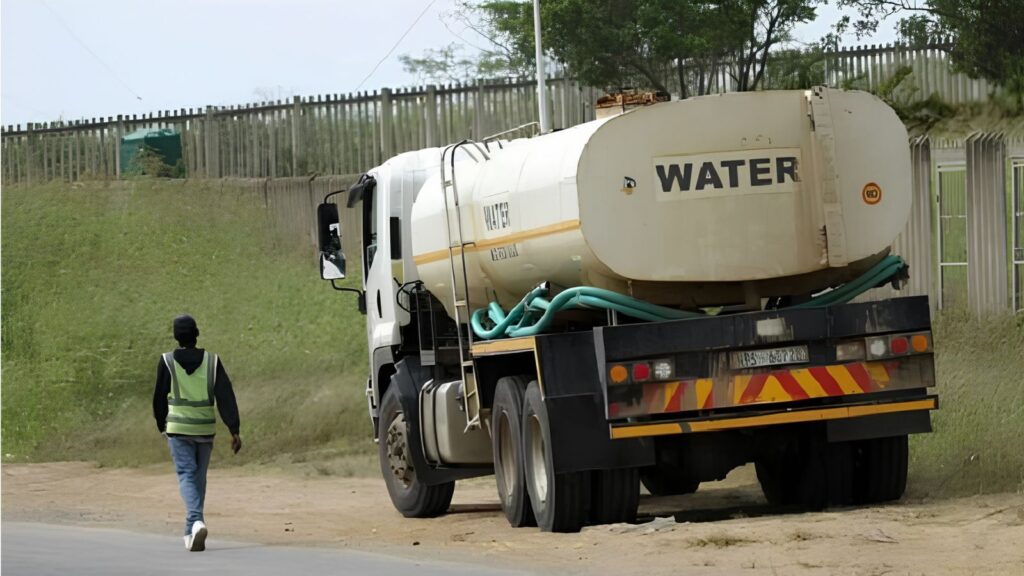
South Africa’s latest General Household Survey (GHS) revealed that more than half of the population reported water interruptions in 2025, with outages lasting for days.
According to Stats SA acting Deputy Director-General of Population and Social Statistics, Solly Molayi, the number of people who have access to water in the country is sitting at about 76%.
However, despite increased access to water, the number of extended interruptions has increased in proportion since 2012, where it was 24%.
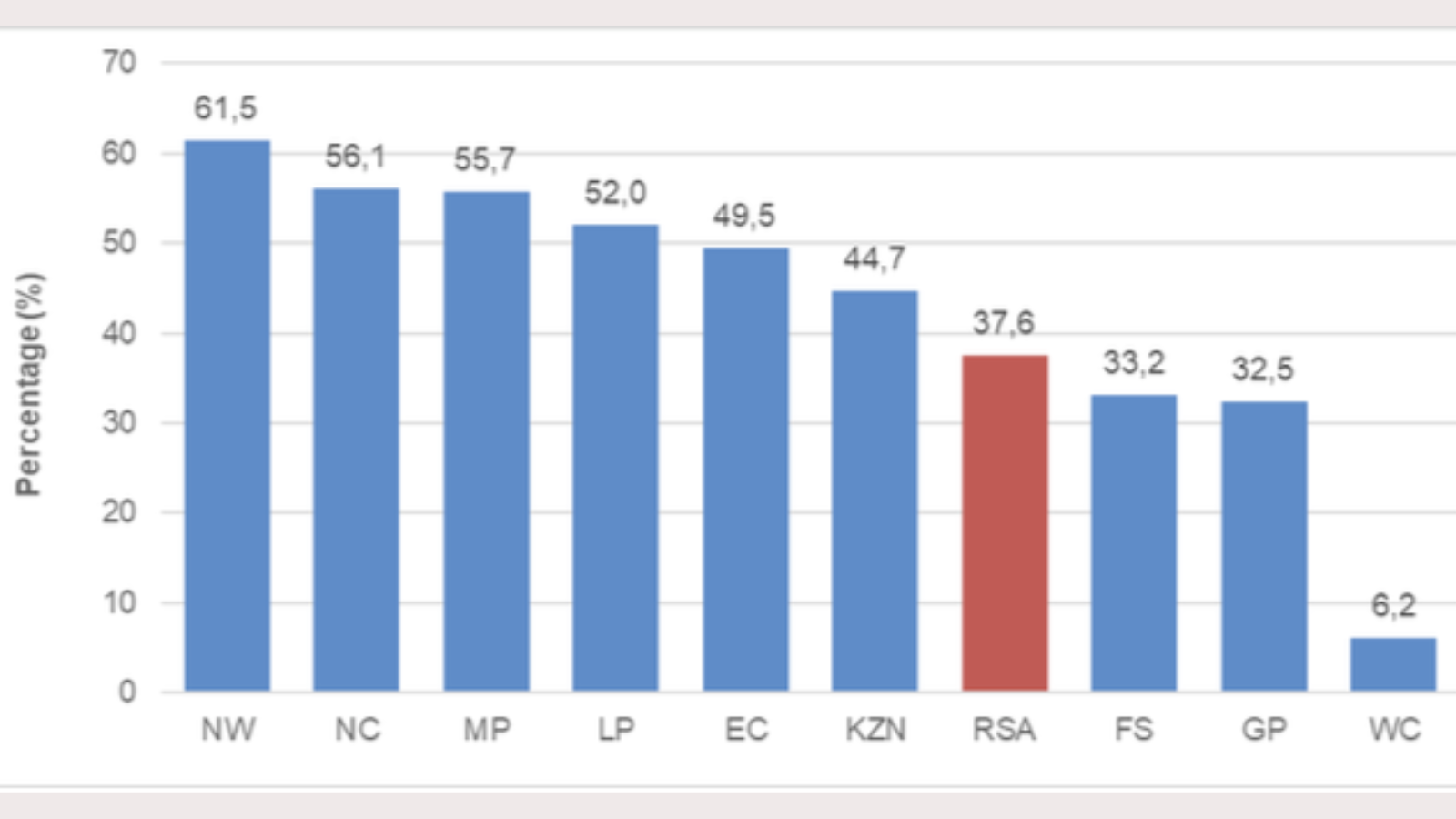
Now, 37.6% of households experience water interruptions lasting at least 2 days.
Molayi noted that South Africa’s eight metropolitan municipalities have experienced the most interruptions.
He said that in 2015, 7% of households in the metros experienced water interruptions, whereas now, the number has risen to over 30%.
“Those who are in the metros, like the City of Johannesburg, the City of Cape Town, [are most likely to] experience water interruptions that last more than two days,” said Molayi.
The effectiveness of municipal water supply services is determined by the extent to which households that received water from the municipality reported experiencing interruptions.
Specifically, the survey focused on interruptions lasting more than two consecutive days or totalling more than 15 days over the past 12 months.
Households were asked to indicate how often these water interruptions occurred.
Statistics from the GHS revealed that 56.8% of households in South Africa experienced water interruptions in 2025.
Weekly water interruptions were most prevalent in Mpumalanga (36.0%), followed by Limpopo (25.9%) and KwaZulu-Natal (24.2%).
By contrast, the Western Cape reported the fewest interruptions at just 0.3%.
Only 2.8% of households experienced water interruptions on a single occasion over the past 12 months. About 43.2% of households reported no water interruptions during the same period.
Households without water interruptions were most common in the Western Cape (74.8%), followed by the Free State (47.0%).
In several other provinces, however, a significantly lower percentage of households reported an uninterrupted water supply.
For instance, only 28.6% of households in the North West, 29.4% in the Northern Cape, 30.0% in Mpumalanga, and 30.6% in the Eastern Cape reported having a reliable water supply over the past year.
These disparities among provinces underscore significant differences in the reliability of household water access.
Percentage (%) distribution of households that reported water interruptions that lasted at least 2 days or totalling more than 15 days in 12 months by province, 2025
Water lost before getting anywhere
Approximately 47.4% of all municipal water is lost before it reaches consumers or generates revenue.
Participants at a recent Investec–Proparco industry dialogue cautioned that the opportunity for effective intervention is rapidly diminishing.
Melanie Humphries, head of Investec Sustainable Solutions, stated that water security has become critical to South Africa’s economic future.
“Infrastructure underpins productivity, investment and inclusion. When it works, economies grow. When it fails, it becomes a binding constraint,” she said.
“Water is the crisis that has been building quietly in the background. Too often, it only becomes urgent once systems are already under strain.”
She mentioned that the current challenge is to shift decisively from diagnosing the problem to implementing solutions.
Earlier this year, the Department of Water and Sanitation revealed the scale of the issue.
In February, Director-General Dr Sean Phillips confirmed that South Africa would need to invest approximately R400 billion to address the maintenance backlog in the country’s poorest-performing municipalities.
“We’ve estimated that the backlog for water services infrastructure, not only in terms of fixing what’s broken, but also routine or preventative maintenance, is about R400 billion,” he said.
While the figure is concerning, Phillips emphasised that the crisis is not caused by a lack of water at the national level, but rather by failures in local management and distribution.

















 Loading ...