

South Africans should prepare for months of petrol price pain, says Dawie Roodt


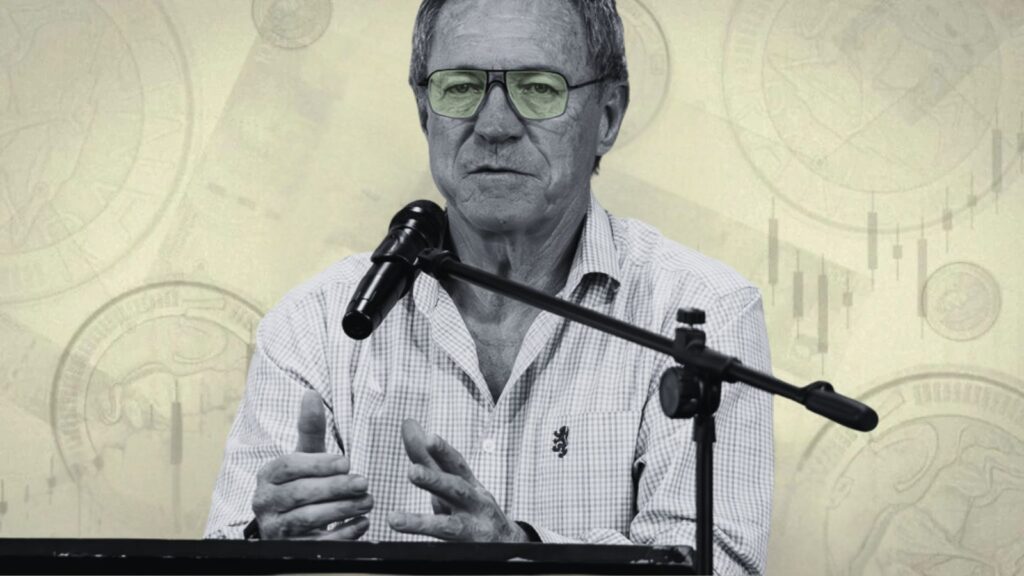
South Africans should not expect meaningful relief at the pumps in the coming months, despite the recent easing in global oil prices following signs of de-escalation in the Middle East conflict.
This is the message from Dawie Roodt, a renowned South African economist and director of the financial services and wealth management company, Efficient Wealth.
Speaking in an interview with NSN, Roodt said consumers should not expect oil prices to fall sharply in the short term.
He explained this is because many countries depleted their strategic reserves during the crisis and will now need to rebuild them.
“Over the next couple of months, there will be demand from many countries just to top up on their reserves,” he said.
Because of this, he said South Africans shouldn’t expect oil prices to fall sharply in the short term, despite the recent cuts, which, of course, have been good news for South Africa.
Although he believes the long-term outlook for oil is more favourable, Roodt stressed that any significant decline is likely to take time.
He argued that the correct level for oil prices is likely well below $70 a barrel and suggested that around $65 would be appropriate.
Roodt also warned that geopolitical risks remain. “There’s always the risk that the president of the United States may decide to kick-start the war all over again, and then all bets are off the table.”
Even if international oil prices decline, Roodt believes South African motorists will not immediately benefit because government finances are likely to delay any meaningful reduction in fuel prices.
“I think in South Africa we will see a reduction in the petrol price, not in the next month or two because the Minister of Finance is likely to try to recoup some of the lost tax revenue,” he said.
“So he will keep the taxes relatively high until he’s got his money back that he’s so-called given to us, and then the petrol price can come down quite nicely.”
Fuel levy disappointment

As a result, Roodt expects South Africans to endure several more months of elevated fuel costs before conditions begin to improve.
“Don’t expect the petrol price to come down immediately. Wait another two months or so, then you’re going to see some of that,” he said.
Fuel price recoveries for July, which were already positive, have continued to push in the right direction, lining motorists up for an even bigger cut at the pumps next month.
According to the Central Energy Fund’s data for the end of week three in June, petrol prices show an over-recovery of R2.87 per litre, while diesel recoveries are far higher, between R4.53 and R4.92 per litre.
However, while over-recoveries at these levels would normally put huge price cuts on the cards for motorists, the end of the National Treasury’s fuel levy relief will offset this.
After adding half of the fuel levy relief back into prices in June, the relief will fully terminate in July.
This will see R1.50 per litre be added back into petrol prices next month, with diesel prices having R1.96 per litre reintroduced.
In addition, even with a price cut in July, fuel prices would remain significantly higher than they were before the war.
Despite the short-term pain, Roodt believes lower oil prices over the next year could have significant economic benefits by easing inflationary pressures and paving the way for lower interest rates.
“If I’m right on the oil price in a year’s time, at say $70 or even below that, then all sorts of positive things will come into play, and the inflation rate is likely to come down quite sharply to well below 3%.”
That, in turn, would give the central bank room to reduce borrowing costs. “I think the Reserve Bank is not going to increase rates anymore,” Roodt said.
“In 10 months or so, there will be ample space for the Reserve Bank to start cutting interest rates as well.”


















 Loading ...