

United States plans to end its longest-running deal with South Africa


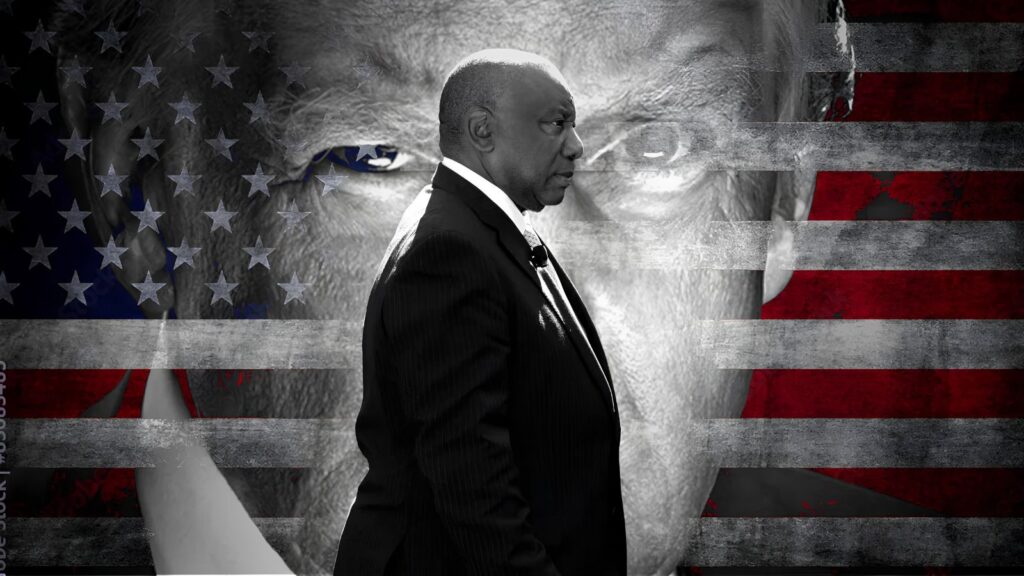
The South African government says it has not received any formal notification from the United States that funding for key HIV and AIDS programmes will be phased out.
This is despite reports that Washington is preparing to end more than two decades of support through the President’s Emergency Plan for AIDS Relief (PEPFAR), the longest-running international public health partnership in South Africa’s history.
President Donald Trump’s administration told journalists on Thursday, 18 June, that it plans to permanently end PEPFAR funding in South Africa, with a phased withdrawal expected to be completed by early 2027.
The decision would bring to a close a partnership that has operated for 23 years and has channelled more than $8 billion (R131 billion) into the country’s HIV response.
Reports citing US State Department officials indicated that the administration believes South Africa, as a middle-income country, is capable of financing its own health programmes and that PEPFAR was never intended to be a permanent initiative.
The reported justification for the move includes South Africa’s relationship with Iran, its Black Economic Empowerment policies, and concerns over the “Kill the Boer” chant as unmet conditions behind the decision.
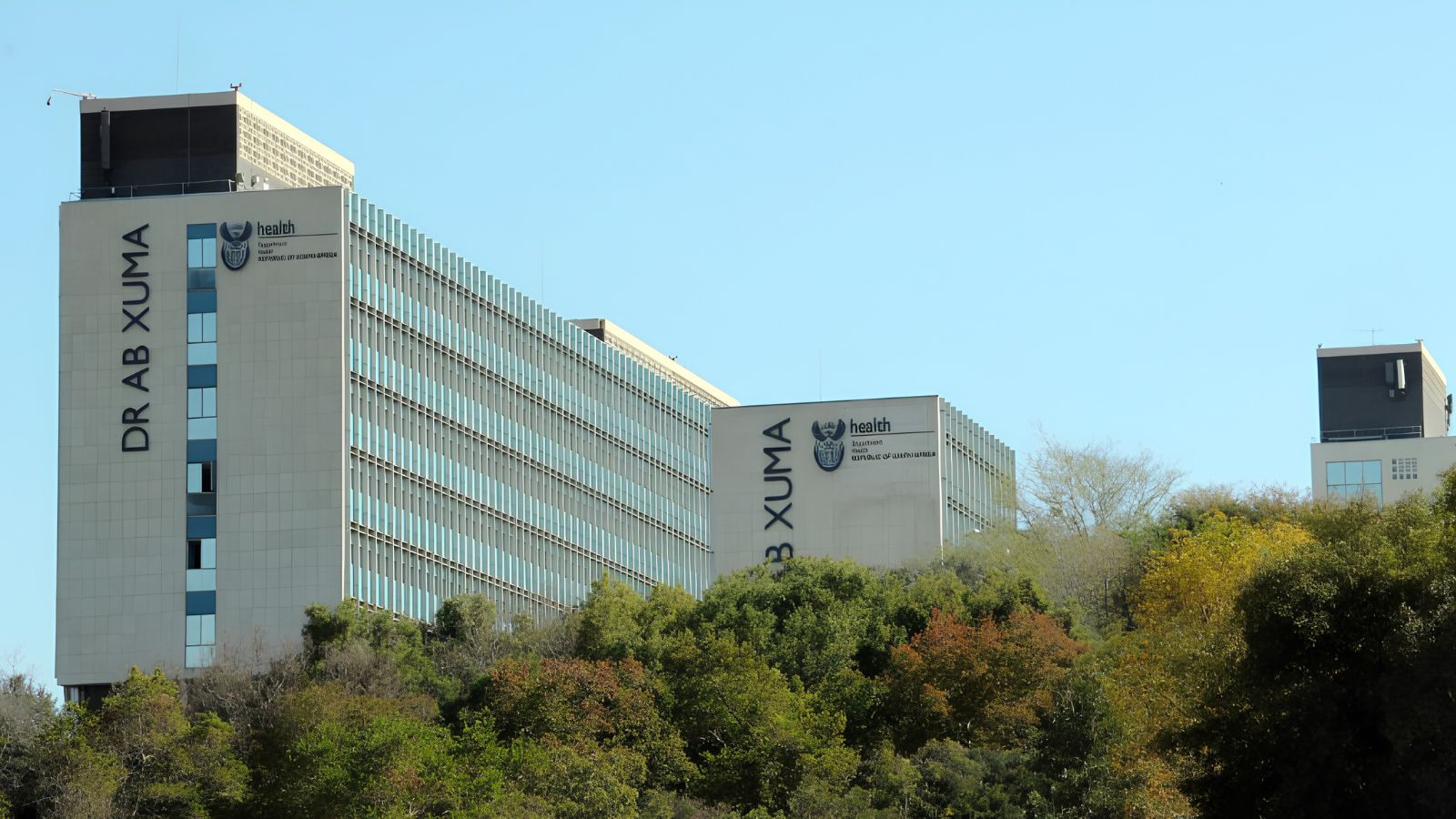
While reports suggest that US Ambassador Leo Brent Bozell III will formally inform South African health authorities of the decision, the Department of Health said it has not received any official correspondence.
Department spokesperson Foster Mohale told EWN that the government has not been informed, either directly or indirectly, that the funding will be withdrawn.
However, he added that such a development would not come as a surprise given signals from the Trump administration over the past year.
Trump first indicated his intention to halt funding for South African HIV programmes in January 2025, shortly after returning to office, when his administration announced a freeze on global foreign aid spending.
End of a 23-year deal
The US later approved a six-month PEPFAR Bridge Plan worth $115 million (R1.9 billion), covering the period from 1 October 2025 to 31 March 2026.
At the time, the South African Cabinet welcomed the funding and said it would ensure uninterrupted HIV service delivery and maintain life-saving interventions while prioritising the country’s needs.
Mohale acknowledged that PEPFAR has made a significant contribution to HIV and AIDS programmes in more than half of South Africa’s highest-burden districts.
However, he stressed that the government has already been working towards greater self-reliance and has been preparing to assume increased responsibility for these services.
PEPFAR was launched globally in 2003 by former US President George W. Bush during a period when South Africa faced a severe HIV crisis.
In its early years, the programme funded non-governmental organisations, universities and faith-based clinics to rapidly expand access to antiretroviral treatment.
Following changes in South Africa’s HIV policy after the presidency of Thabo Mbeki, the government built what is now the world’s largest state-funded antiretroviral programme.
In 2012, the US announced plans to reduce direct funding and encourage greater country ownership, shifting PEPFAR’s role towards technical support, training and targeted prevention initiatives.
By 2024, the combined investments of PEPFAR and the South African government had helped millions of people access treatment, significantly reduced mother-to-child HIV transmission and contributed to improvements in national life expectancy.
If the latest reports are confirmed, the planned withdrawal would mark the end of one of the largest and longest-running international public health partnerships in South Africa’s history.















 Loading ...