

Higher tariffs hurt households but encourage energy independence


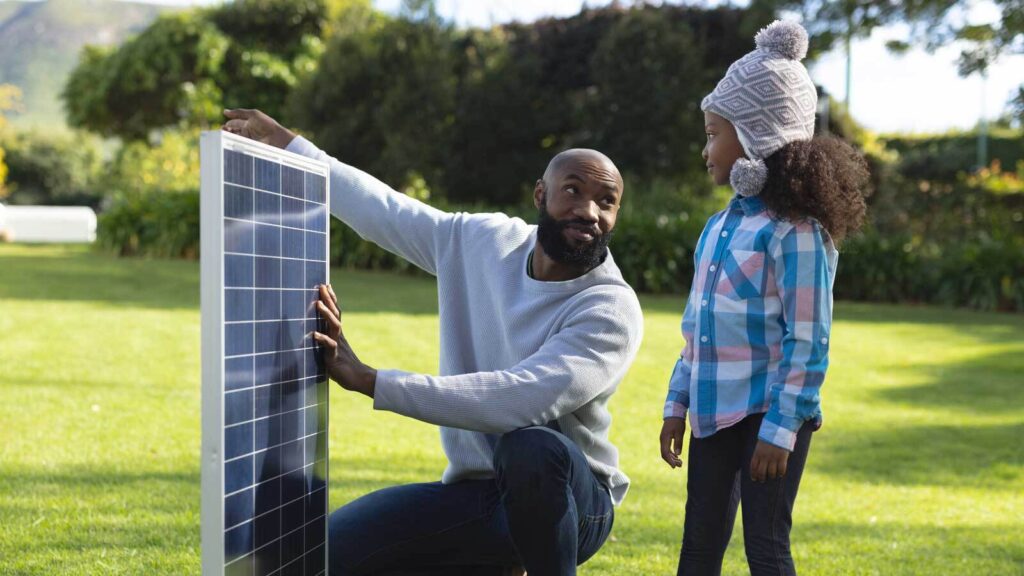
The National Energy Regulator of South Africa (Nersa) has approved 176 municipal and local authority tariff hike applications.
These increases will go into effect on 1 July 2026 and will have an impact on most South African households.
Across the country’s major municipalities, the tariff increases were between 7.5% and 14% – or significantly above inflation.
These tariff hikes are detailed below.
| 2026 Municipal Electricity Tariff Hikes | |
|---|---|
| Municipality | Increase |
| Buffalo City | 14,00% |
| City of Cape Town | 7,50% |
| City of eThekwini | 9,00% |
| City of Tshwane | 8,80% |
| City Power (Johannesburg) | 8,63% |
| Ekurhuleni Metropolitan | 12,70% |
| Mangaung Municipality (Centlec) | 9,90% |
| Nelson Mandela Bay | 10,09% |
These tariff hikes come at a time when household budgets are already under pressure.
From fuel price increases, to rising consumer inflation, and the increase to the prime lending rate – the financial challenges are numerous.
Add in the increased need for electricity during the winter months, and South Africans may be concerned about their financial situations.
However, there is a major silver lining: the new municipal tariff hikes make the investment case for solar better than ever before.
Solar as an investment
“Investing in solar is no longer about intermittent supply,” explained LookSee Executive Head Marc du Plessis.
“Instead, the main reason to invest in a home solar system in 2026 is a financial one.”
These savings can be realised with a smaller investment into solar – like a geyser upgrade – or with a larger investment, like a full home solar system.
According to du Plessis, the question is no longer “should I get solar?”
The question is now “what is the best way to invest in solar and maximise my savings?”
Purchasing vs renting solar
There are two ways to pay for your solar – buy or rent.
Buying a solar system gives the best long-term returns and is therefore the better option for households who plan to stay in their homes beyond the next five years and either have access to capital or qualify for sufficient finance.
Because solar systems are modular, you can buy part of a system to start your solar journey and then upgrade it as you get access to more capital or financing.
“Buying your solar equipment improves your long-term cost predictability and once finance is paid off the savings on your electricity bills go straight into your pocket,” du Plessis explained.
Rentals, on the other hand, are great if you’d rather not acquire additional debt or are thinking of moving in the next five years.
When you rent solar, you will sign onto a monthly payment plan that provides an immediate reduction to your electricity spend and makes your monthly costs more predictable.
While you will save money from day one, without a capital outlay, the downside is that these savings aren’t as pronounced as if you had bought the same system outright.
Regardless of which option you choose, your savings will continue to increase as long as tariff hikes continue in South Africa.
Track your savings
When embracing solar, it is important that you can measure and quantify your savings – as well as identify areas where you can improve.
This is where LookSee’s Smart Save journey is a game changer.
LookSee has built a comprehensive tool that gives you insight into how efficiently your home is using electricity, how you could make changes to improve your savings, and much more.
By embarking on this journey with LookSee, you can avoid overinvesting in solar, running your solar system inefficiently, and not realising its full financial value.
“We are seeing that households are no longer simply reacting to their rising electricity costs – they want to make deliberate, data-led decisions about managing and reducing these costs,” said du Plessis.
“That’s why LookSee is building the tools and solutions to support these households – maximising their savings in challenging financial times.”
Click here to learn more about saving money on electricity with solar.












 Loading ...