

South Africa on high alert for national shutdown next week


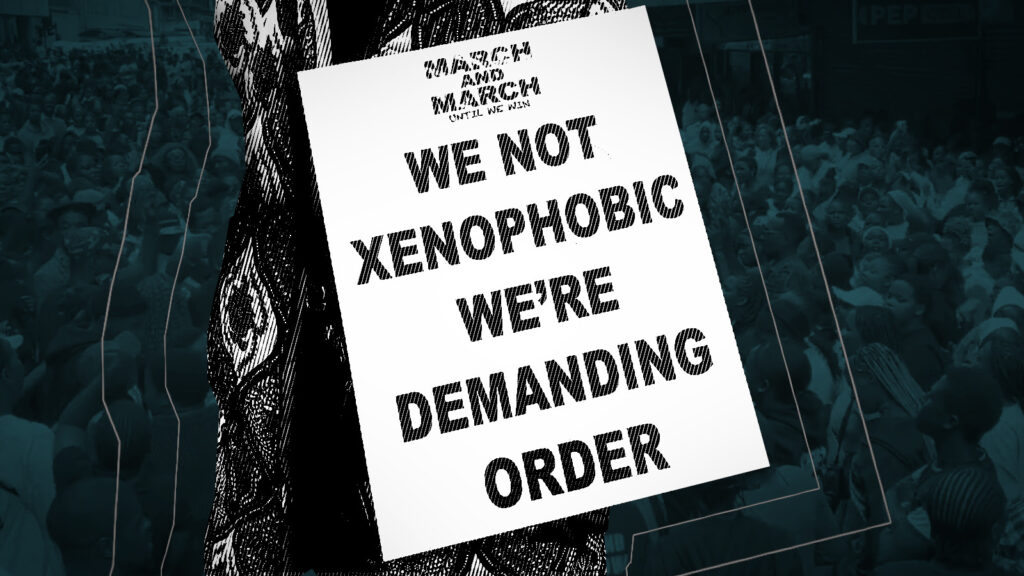
South Africa will deploy more police this week to deter possible violence before a June 30 deadline set by protest groups for foreigners to leave the country.
“There has been mobilisation around this issue over a period of time, and we expect it to continue after June 30, so we have plans in place,” Firoz Cachalia, the acting police minister, said in an interview with state-owned broadcaster SAfm on Monday.
Vigilantes have in recent weeks carried out attacks on foreign nationals in several parts of the country, prompting Malawi, Ghana, Mozambique, Nigeria and Zimbabwe to help more than 3,000 of their citizens to return home.
More protests by anti-immigrant groups are planned in South Africa’s eastern KwaZulu-Natal province this week.
The demonstrations have stoked fears of a recurrence of violence in KwaZulu-Natal and the commercial hub of Gauteng in July 2021 that followed the jailing of former President Jacob Zuma.
The week of deadly riots marked the worst civil unrest in South Africa since the end of White-minority rule in 1994, leaving more than 300 people dead and thousands of businesses looted or burned down.
“We don’t want a repeat of that, so we’re not going to take any chances,” Cachalia said. “We have good information about the levels of mobilisation and the places of mobilisation around this issue.”
In addition to deploying officers to potential hotspots, police ministry officials will meet with provincial and city leaders, private security companies and community policing forums to ensure that “the political leadership and the leadership in civil society is prepared for any eventuality,” Cachalia said.
The police deployment will cost R600 million, the acting minister said.
“The people involved in efforts of destabilisation should know that we are deploying on the basis of our constitutional responsibility to keep the country safe,” he said.
The nation’s army has been placed on standby as a contingency measure in case of unrest, though current intelligence suggests that won’t be the case, Defence Minister Angie Motshekga said at the briefing.
National shutdown planned for 30 June
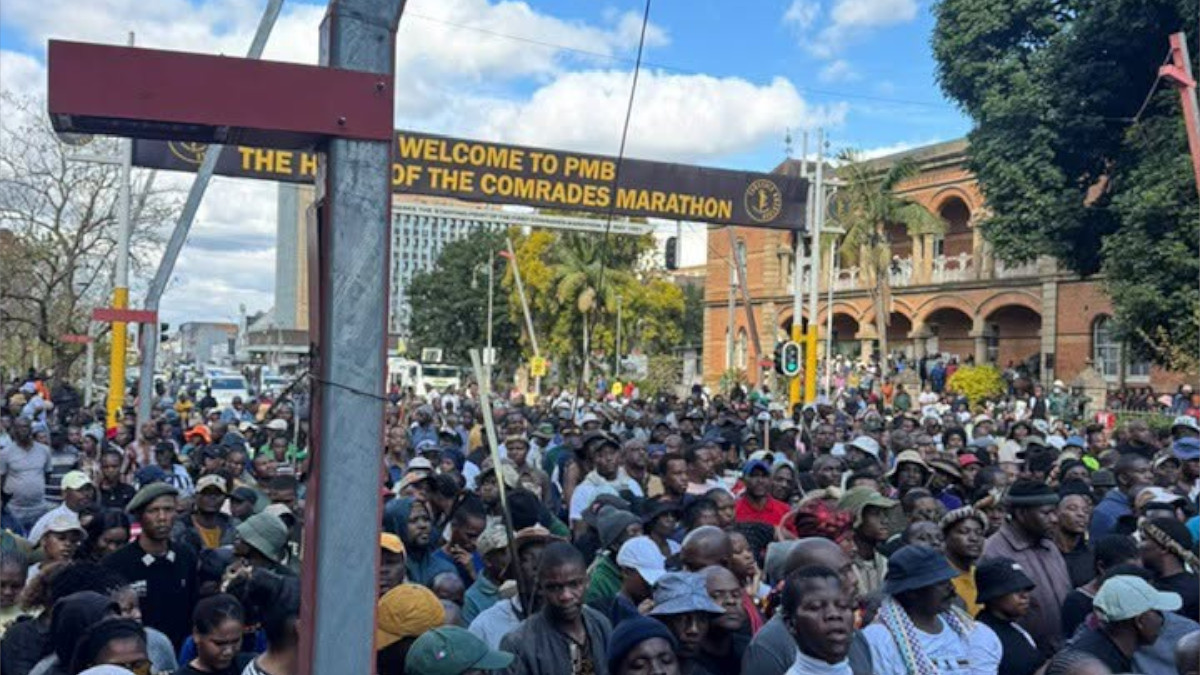
The deadline set by protestors, Tuesday, 30 June 2026, has been pushed by anti-illegal-immigration groups as a day of national shutdown in the country.
The protesting groups have positioned themselves as being against illegal immigrants only, saying that it is not about xenophobia.
They have laid the blame for several social ills, including high levels of crime and unemployment, at the feet of illegal immigrants.
The protests are now centred on getting undocumented foreigners to leave the country.
Protesters are demanding an increase in the number of immigration officers to enhance the enforcement of the country’s immigration laws.
March and March has also submitted a series of demands to the authorities, which include stricter border controls and the mass deportation of undocumented foreign nationals.
The protest groups met with the National Executive earlier in the month, with authorities urging demonstrators to be peaceful in their actions.
Defence Minister Angie Motshekga said that the right to strike is secured in the Constitution, but warned the protesting groups that “the right goes with certain responsibilities”.
“As much as South Africans have the right to strike, and their anger and their frustration are highly understood, we support them in that it is a free and safe march,” she said.
“All we are asking them is to do so within the framework of the law,” said Motshekga.
Xenophobic attacks are a regular occurrence in South Africa, with foreigners being blamed for unemployment, crime and pressure on public services.
Gross domestic product in the continent’s largest economy expanded by an average of less than 1% annually over the past decade, and the country’s jobless rate is among the highest in the world.
With Bloomberg













 Loading ...