

Arab giant taking over 600 petrol stations in South Africa for R16 billion


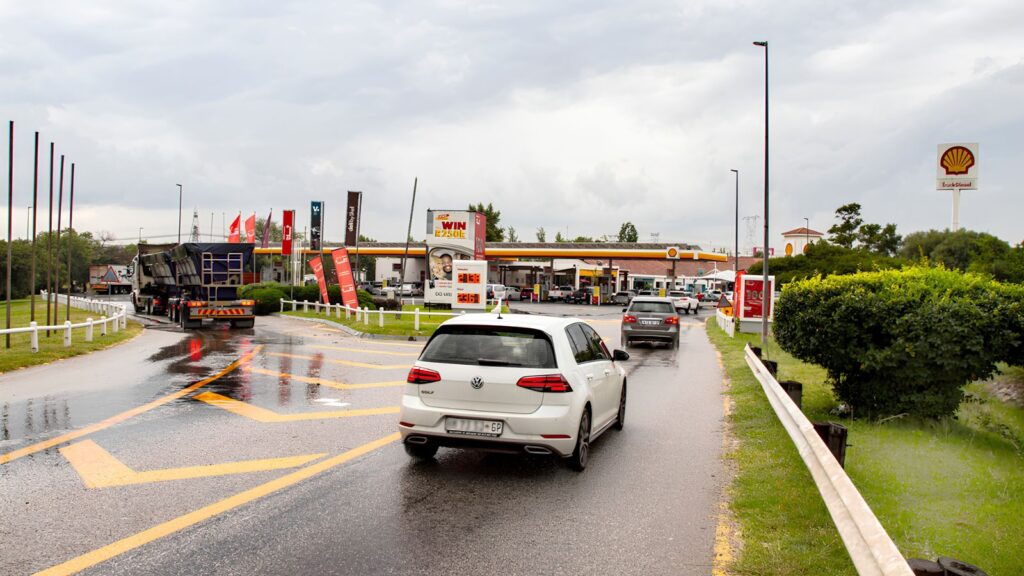
Abu Dhabi’s biggest oil company is close to sealing a deal worth about $1 billion (R16.3 billion) to acquire Shell’s South African fuel retail business, giving the Middle Eastern energy giant control of nearly 600 petrol stations across the country.
Bloomberg reported that Shell and the retail arm of Abu Dhabi National Oil Company (Adnoc) are preparing to announce the agreement within days.
The sources said negotiations are at an advanced stage, although a final agreement has not yet been signed. Neither Shell nor Adnoc Distribution has commented on the reports.
If completed, the acquisition will hand Adnoc Distribution ownership of around 600 South African service stations, representing roughly 10% of the country’s fuel retail market.
It would also mark another step in Adnoc’s global expansion strategy as it continues buying energy assets around the world.
Adnoc Distribution became the preferred bidder for the portfolio earlier this year after negotiations with commodity trader Gunvor Group failed to result in a deal.
For Shell, the sale forms part of a broader strategy to dispose of non-core assets and concentrate investment on operations that can support long-term oil and gas production, including major projects in Canada.
The South African sale process began in 2024 and has continued despite heightened tensions in the Middle East, which have created operational challenges for Adnoc.
The company has continued its aggressive international investment drive. This week, its investment arm, XRG, announced the purchase of a stake in a gas project in Argentina.
This will add to its growing portfolio of assets spanning the United States, Europe and Africa.
The proposed acquisition of Shell’s petrol stations also reflects a wider trend of Gulf investors deploying billions of dollars into overseas acquisitions.
These acquisitions span across industries ranging from energy and technology to private equity and credit.
The deal would also represent another significant shift in South Africa’s fuel retail market, which has undergone substantial changes in recent years.
The end of a 124-year era for Shell

In 2018, commodities giant Glencore acquired Chevron’s Caltex-branded service station network in South Africa.
More recently, Vitol-owned Vivo Energy purchased Engen, the country’s largest fuel station chain, further reshaping the competitive landscape.
Shell has already been reducing its footprint in South Africa. The company sold its stake in the country’s largest refinery to the Central Energy Fund after ceasing operations at the refinery in 2022.
The Durban refinery had already been placed into suspension before severe floods caused extensive damage to the facility.
Shell first entered South Africa’s local market in 1902, initially supplying oil for lighting and heating before growing into one of the world’s largest energy and petrochemical companies.
Globally, Shell operates around 40,000 service stations, according to The Outlier, with approximately half located in the Americas.
South Africa accounts for 591 retail outlets, making it the company’s thirteenth-largest fuel retail market among the 61 countries where it operates.
However, the company has been steadily reviewing and restructuring its global downstream business.
Apart from South Africa, Shell has sold downstream assets in Australia, Botswana, Burkina Faso, Côte d’Ivoire, Guinea, Kenya and Namibia. It has also reduced its presence in Malaysia, Uruguay, Paraguay and Colombia.
Industry experts do not expect Shell’s exit to significantly disrupt South Africa’s fuel market.
Following reports of the company’s planned departure, Liquid Fuels Wholesalers Association of South Africa CEO Peter Morgan said he believes the impact on the domestic industry will be limited.
He expects Shell to retain a small interest in its local fuel business while bringing in an external investor to take majority ownership, potentially through the Vivo Energy brand.
Should the transaction proceed as expected, it will mark the end of a 124-year era for Shell in South Africa.








 Loading ...