

The small South African town where people earn R19,000 a month produces a cup of tea worth R900 million


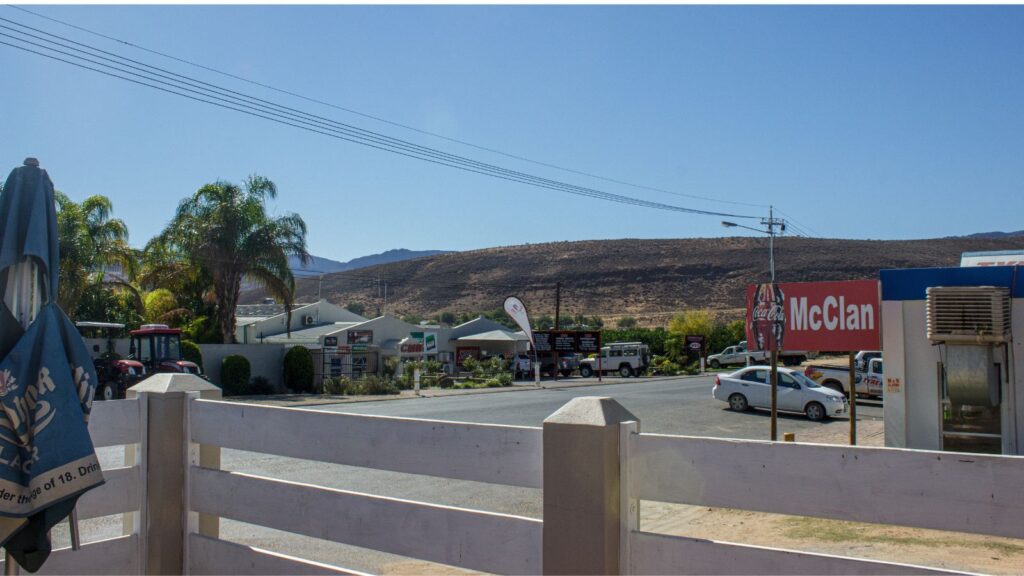
The small town of Clanwilliam in the Western Cape is a key site for the cultivation and production of Rooibos tea, which has an export value of around R900 million.
Located about 200km north of Cape Town in the Olifants River Valley, Clanwilliam has become known as the Rooibos Capital of the world.
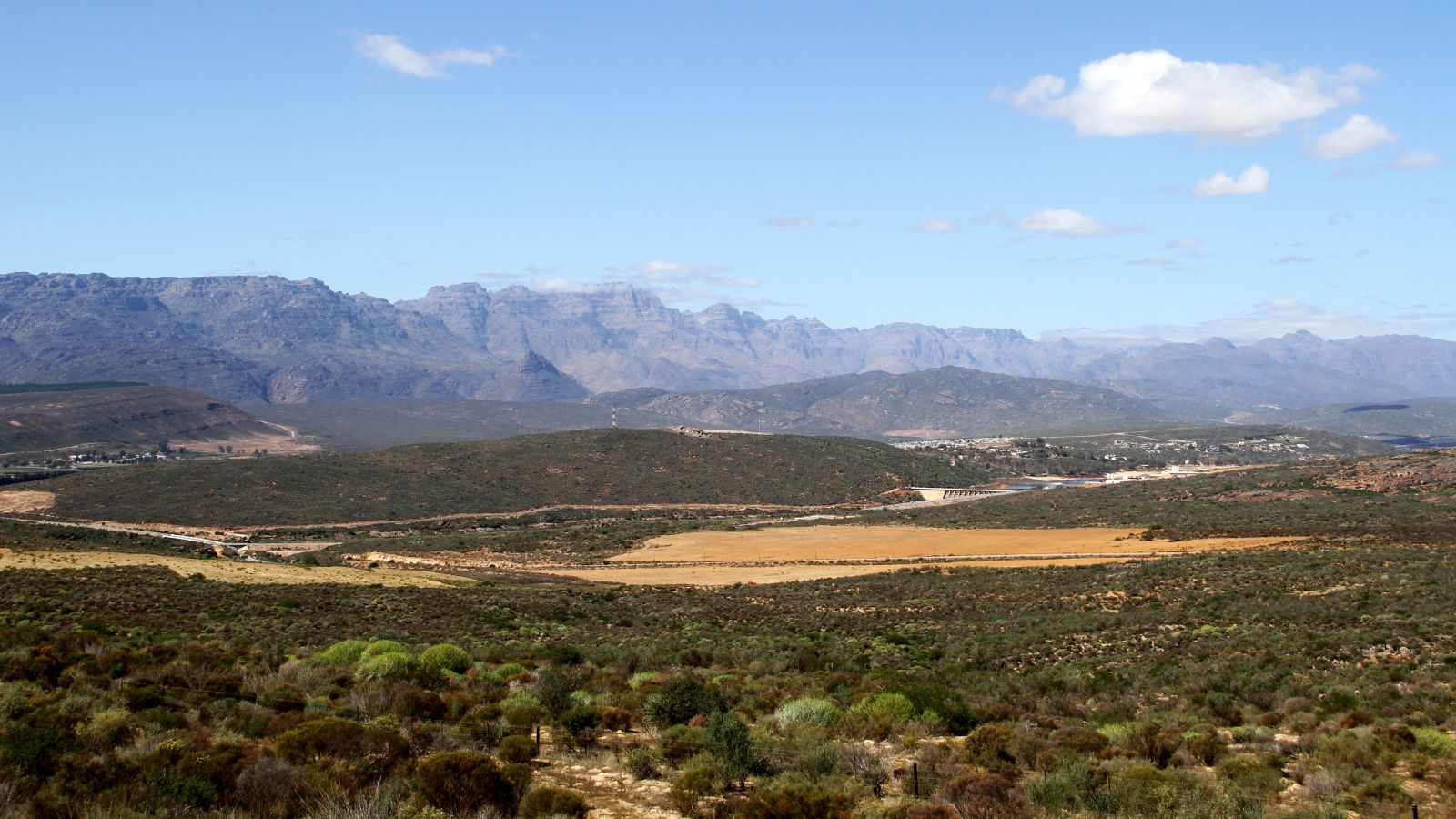
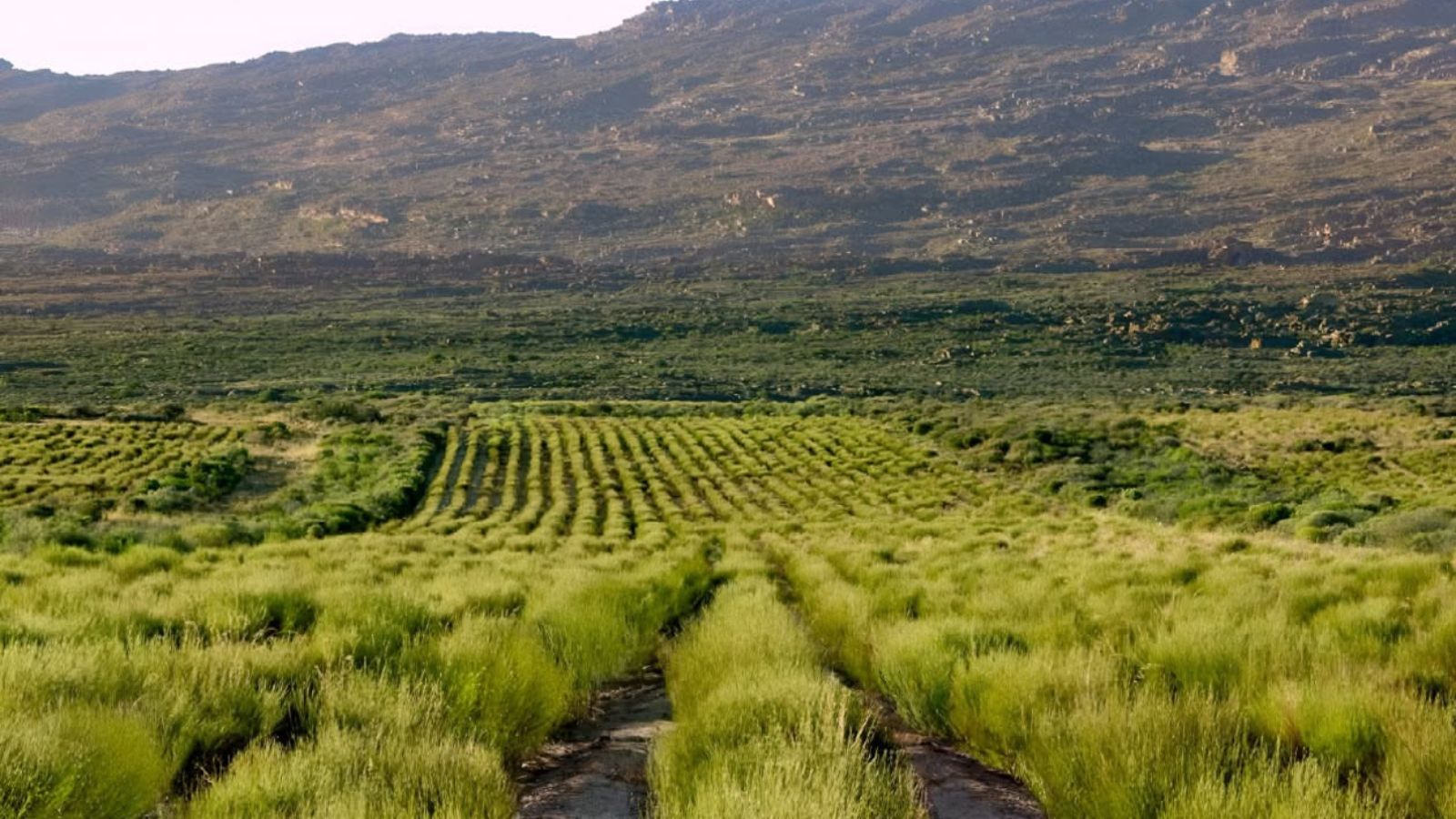
The town lies within the Cederberg area, the only place on Earth where Rooibos grows naturally, making it the centre of an industry that exports the tea to more than 60 countries.
Clanwilliam is home to just over 5,400 registered taxpayers, with an average taxable income of around R229,460 a year, or roughly R19,100 a month.
According to the latest South African Revenue Service (SARS) tax statistics, the average taxable income in the local municipality is well below the Western Cape average of roughly R347,669 a year, or about R28,972 per month.
Despite this, Rooibos has become the economic backbone of Clanwilliam and the surrounding Cederberg region.
South Africa produces between 20,000 and 22,600 tonnes of Rooibos each year, and the industry’s export value exceeds R900 million.
The farm-gate value—the amount paid to farmers before packaging, branding and retail mark-ups—is estimated at between R300 million and R420 million annually.
Much of this money flows through Clanwilliam, which is home to the industry’s largest processors and exporters.
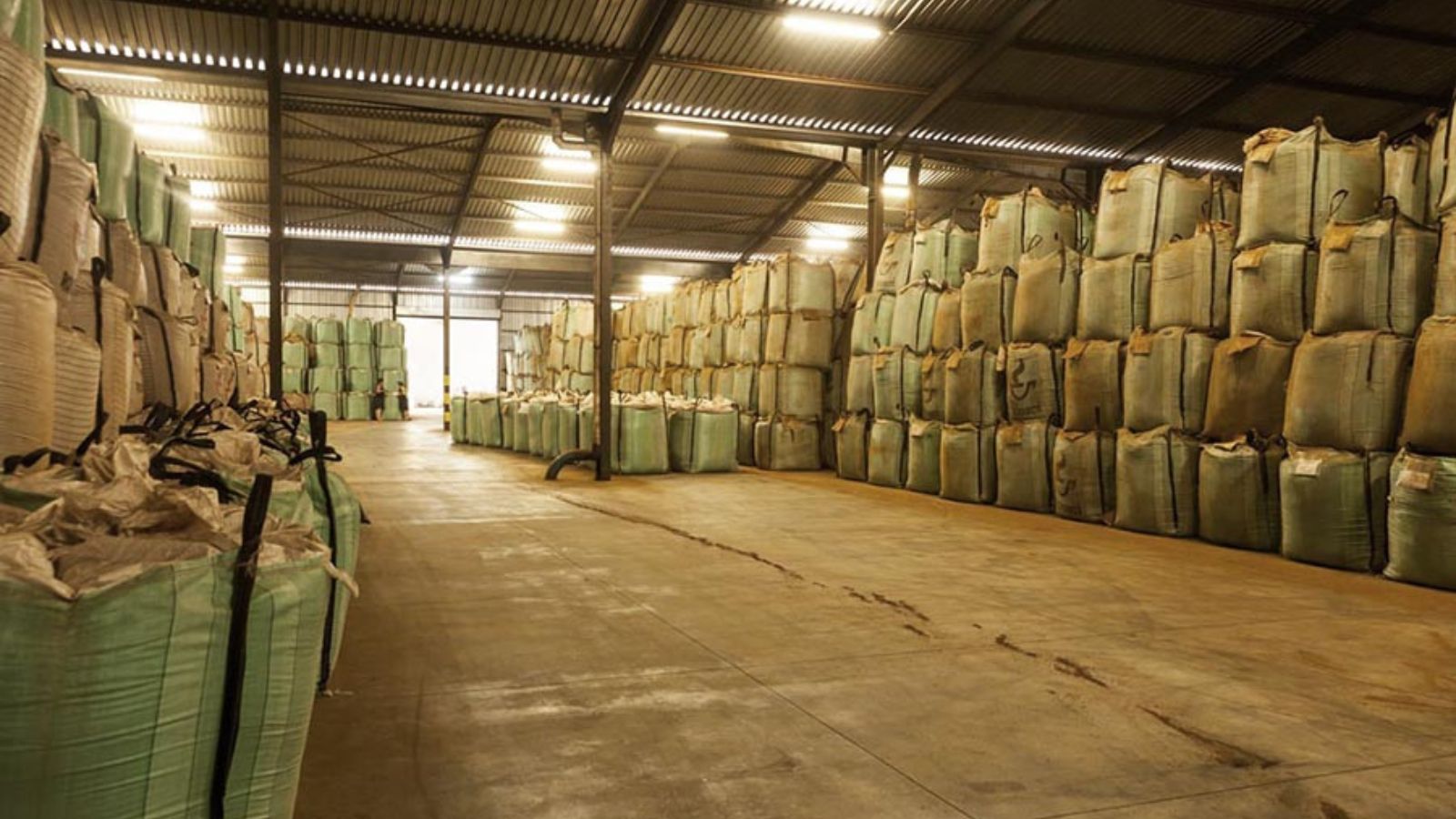
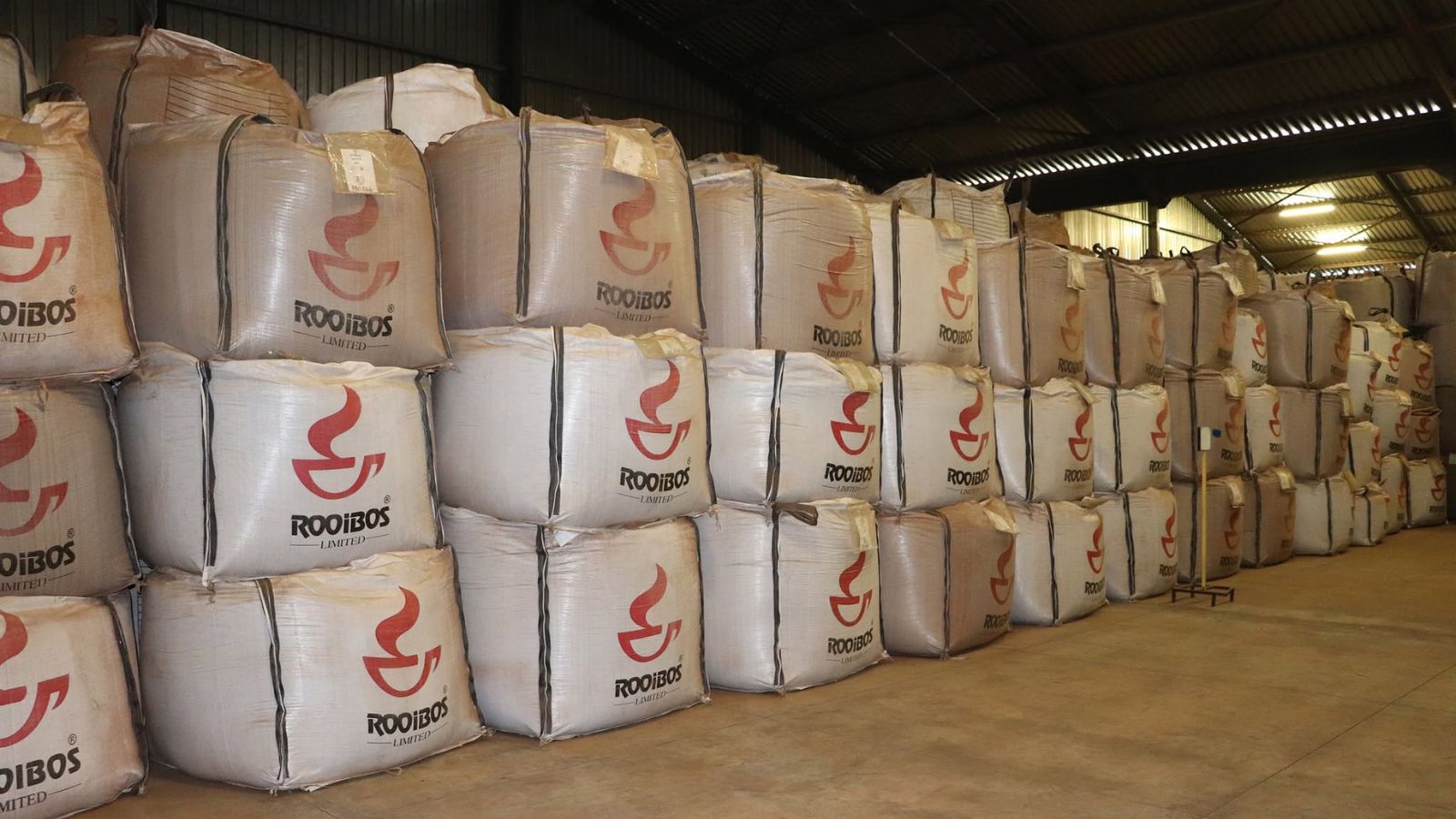
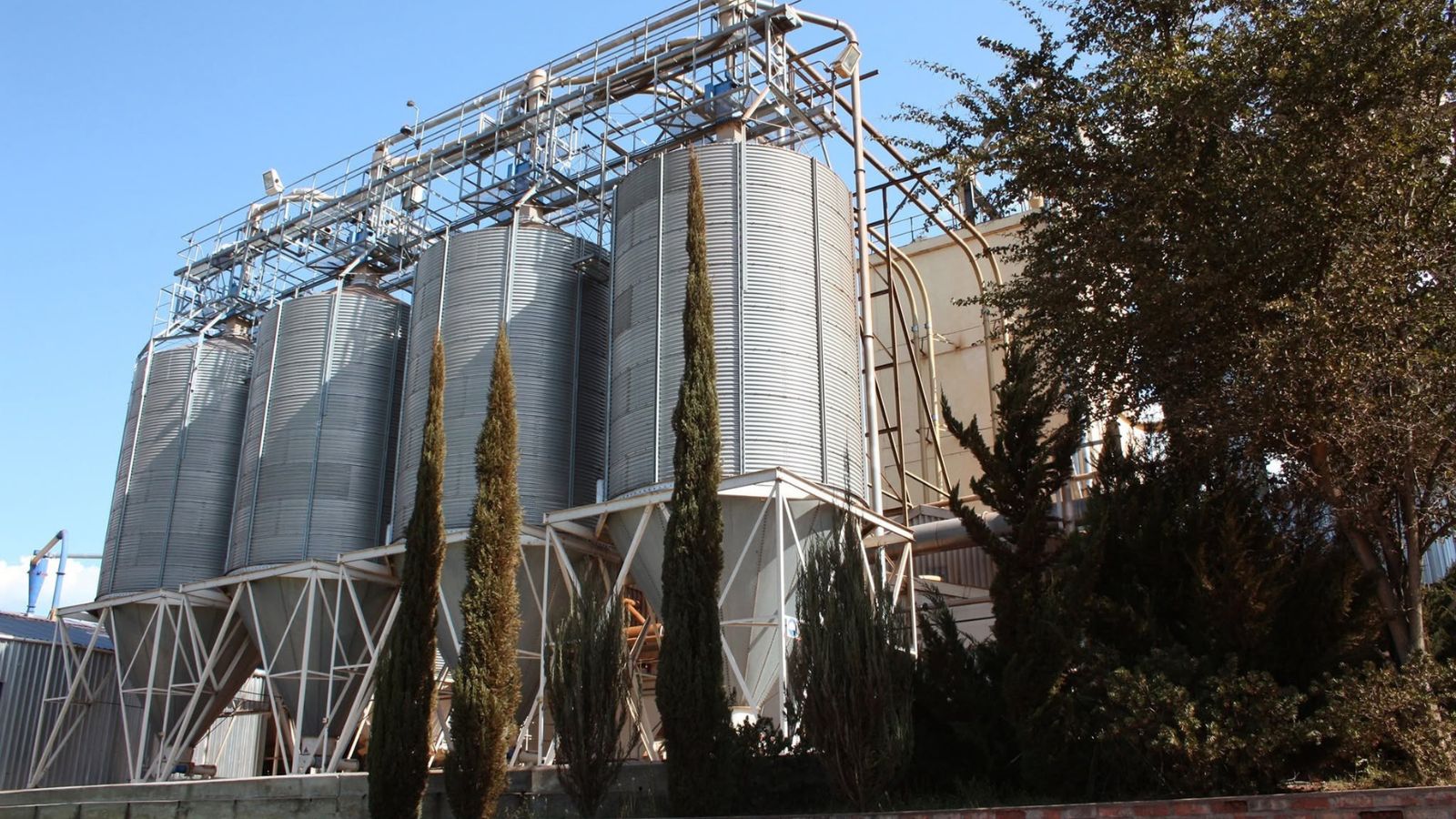
The town hosts major processing facilities, tea estates, and businesses that refine, pasteurise, and prepare Rooibos for international markets.
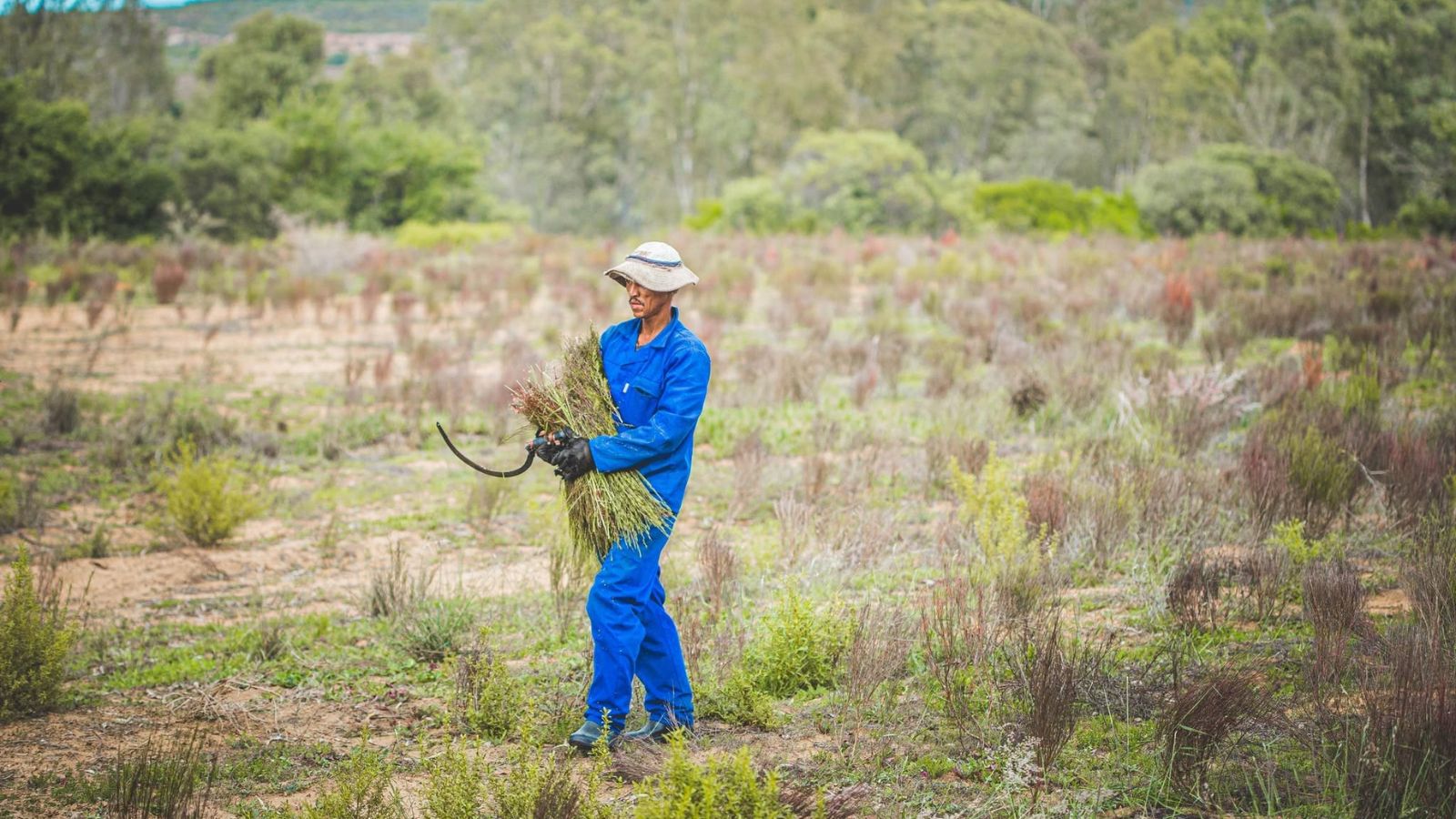
Commercial farming also generates significant revenue across the district, while tourism linked to Rooibos, including tea tastings, farm visits, museums and nature experiences, provides another source of income.
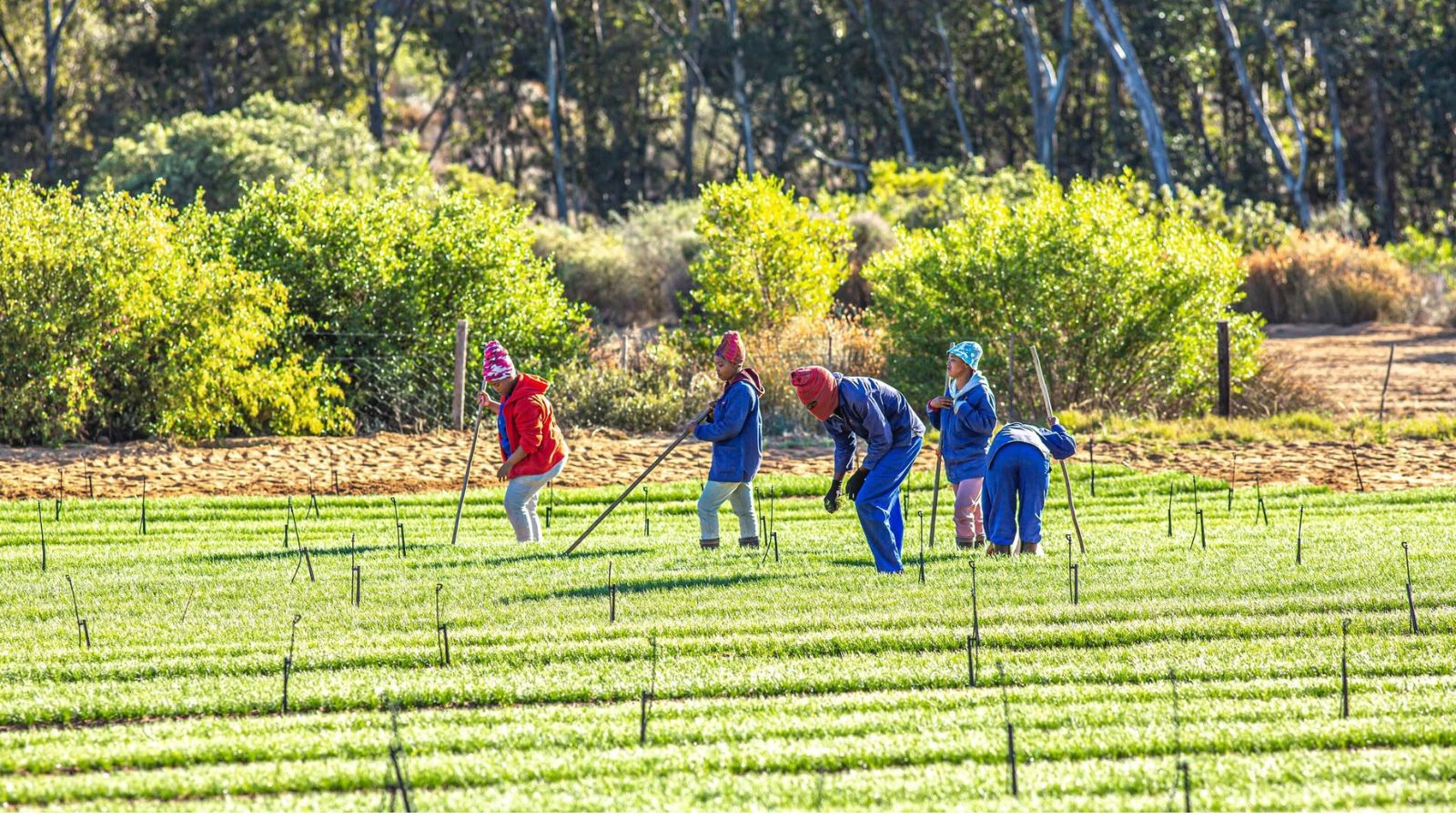
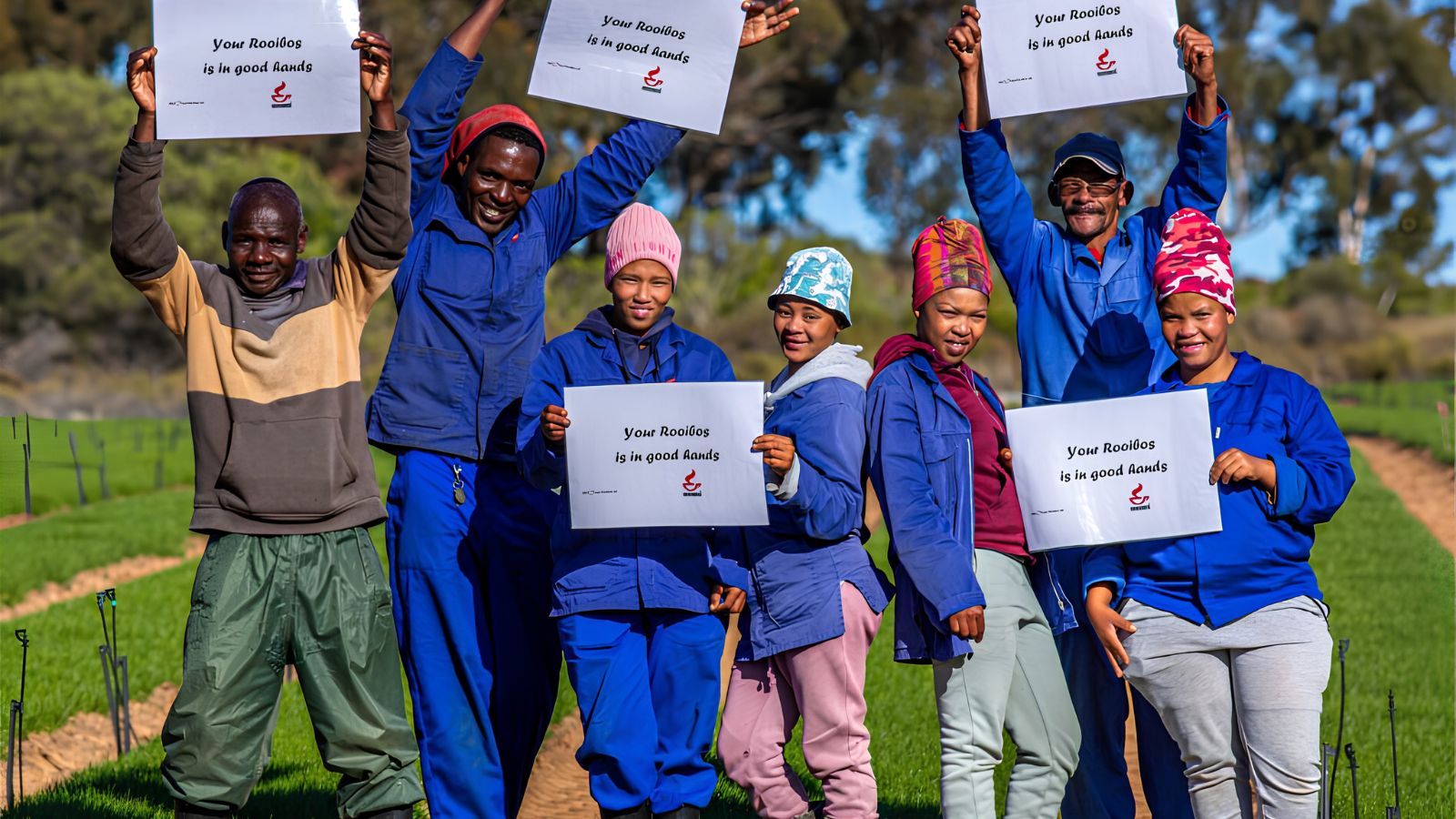
The industry also supports an estimated 8,000 jobs across farming, processing and the broader supply chain.
Additionally, a landmark benefit-sharing agreement requires the commercial Rooibos industry to pay a levy equal to 1.5% of the farm-gate price to trusts representing the indigenous San and Khoi communities.
The payments, averaging around R12 million a year, fund education and community development initiatives.
Protecting its South African origin
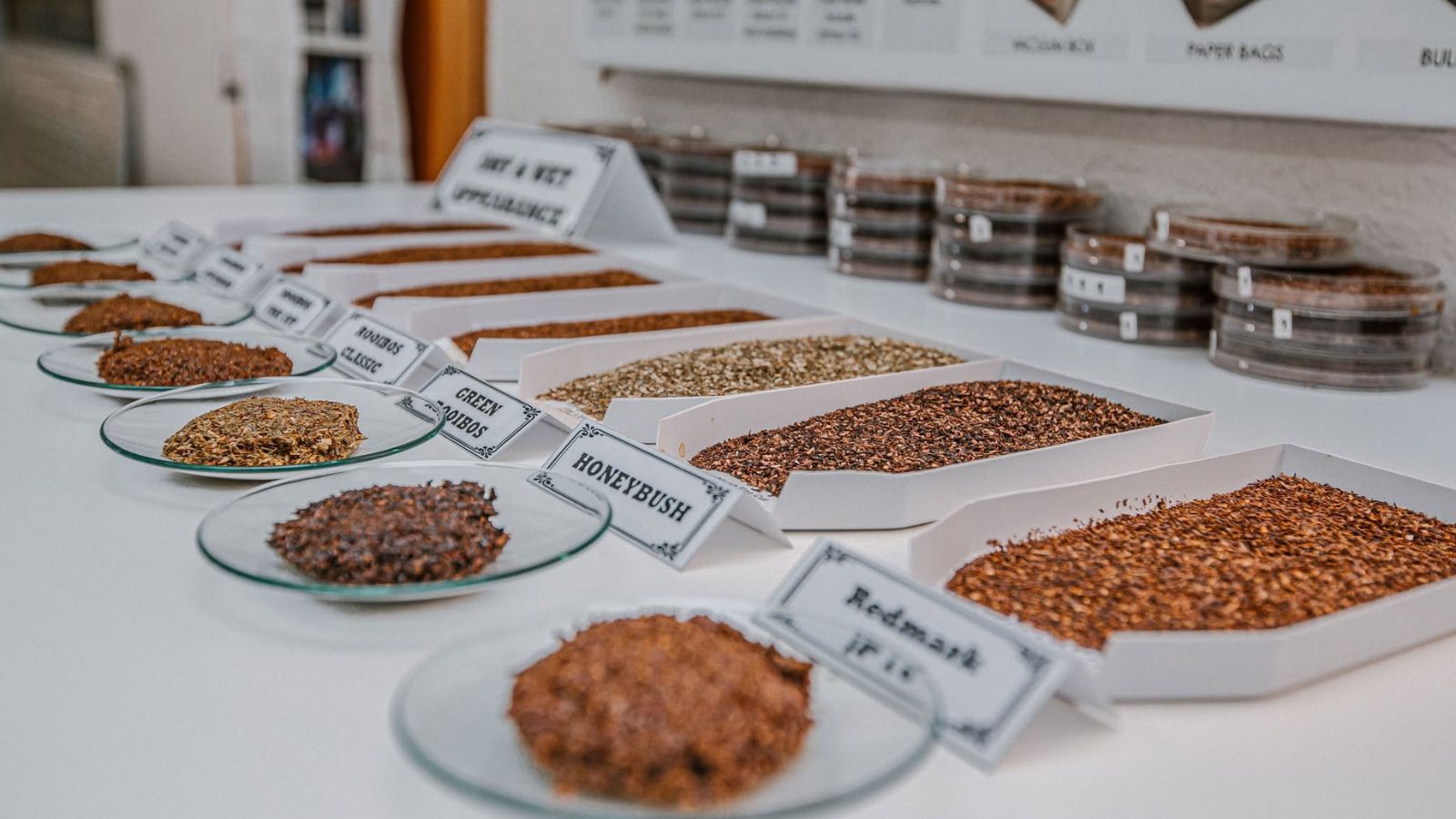
As demand for Rooibos continues to grow internationally, protecting its South African origin has become increasingly important.
Marthane Swart, Secretary of the South African Rooibos Council (SARC), said recent trade developments, including the removal of tariffs on South African exports to China, present significant opportunities for the industry.
“China is a very large market, and the potential for increasing your export volumes there is meaningful,” she said.
However, Swart stressed that expanding exports must be balanced with protecting Rooibos’ authenticity and reputation.
Swart explained that Rooibos is protected through both a Geographical Indication (GI) and a Protected Designation of Origin (PDO).
This means only tea grown within designated parts of the Western and Northern Cape can legally be sold as Rooibos in recognised markets.
“We were awarded the protected designation of origin by the European Union in late May 2021, and this was really something that was very surprising to the Rooibos Council – the weight that this registration carried internationally,” she said.
She noted that Rooibos now enjoys the same type of origin protection as products such as Champagne and Parmigiano Reggiano, whose names are legally tied to where they are produced.
Explaining the protection, Swart said producers outside the recognised growing area cannot market their tea as Rooibos.
Swart added that the recognised Rooibos-growing region stretches from the Cederberg around Clanwilliam into the southern Northern Cape.
“That is really the only place where Rooibos is happy to grow. We don’t actually know that it grows anywhere else.”
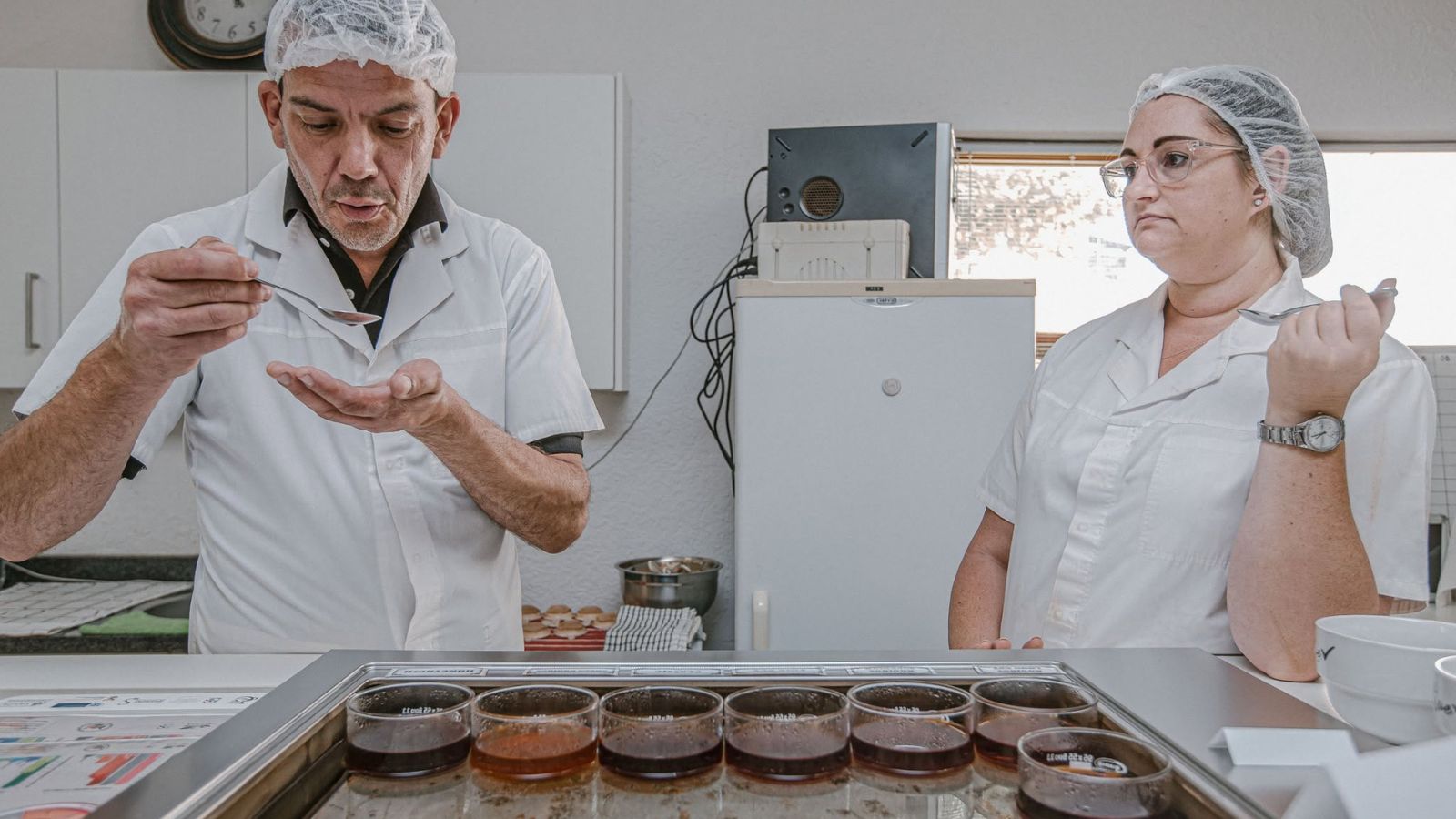
She said the industry has also strengthened certification and traceability systems alongside South African legislation to ensure consumers receive authentic Rooibos.
“We are very fortunate to have these legislative and regulatory systems in place. This protection is available to everybody in the industry, and you can be assured that all the Rooibos you buy on the shelf is protected in this manner,” Swart said.
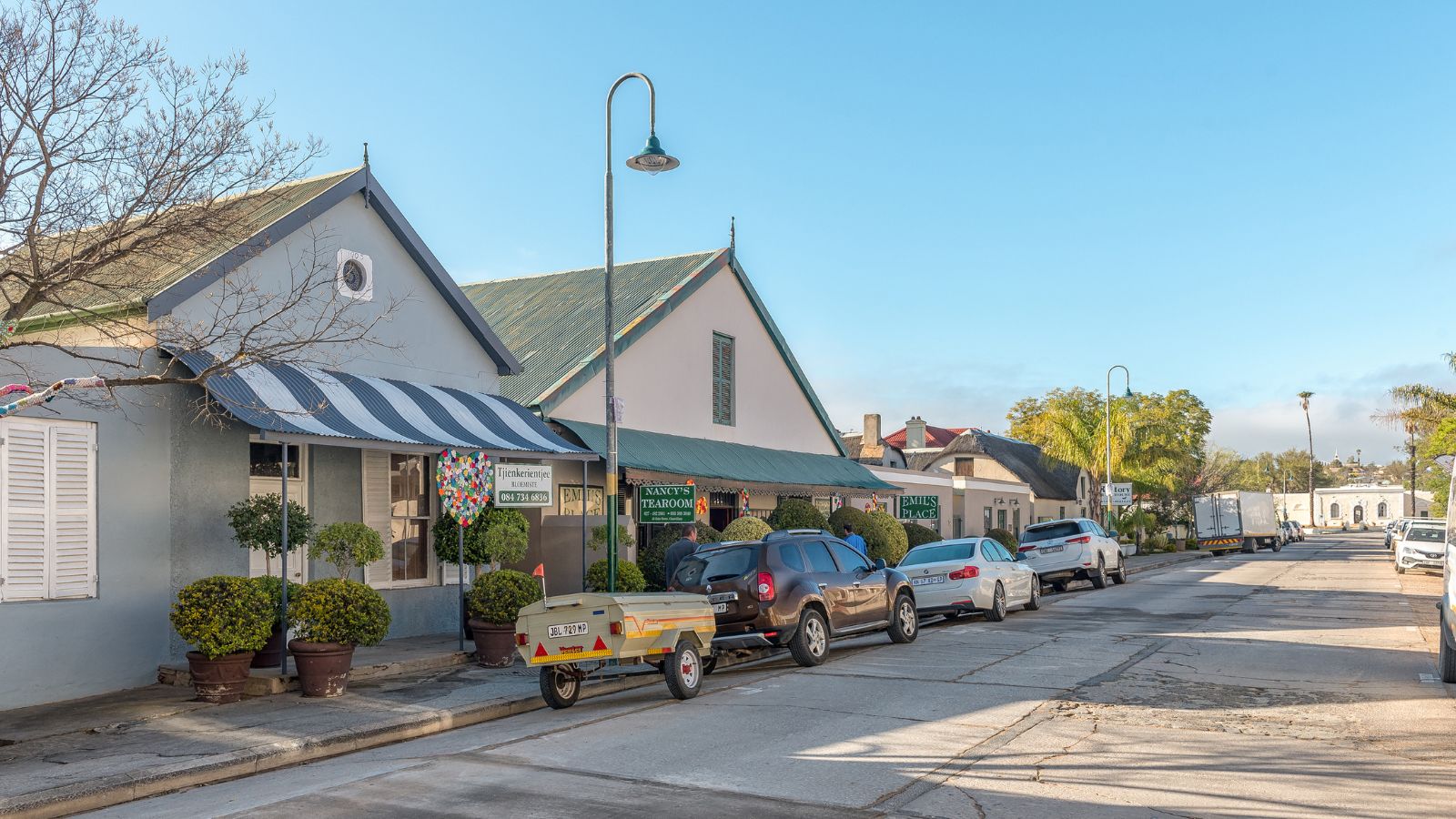
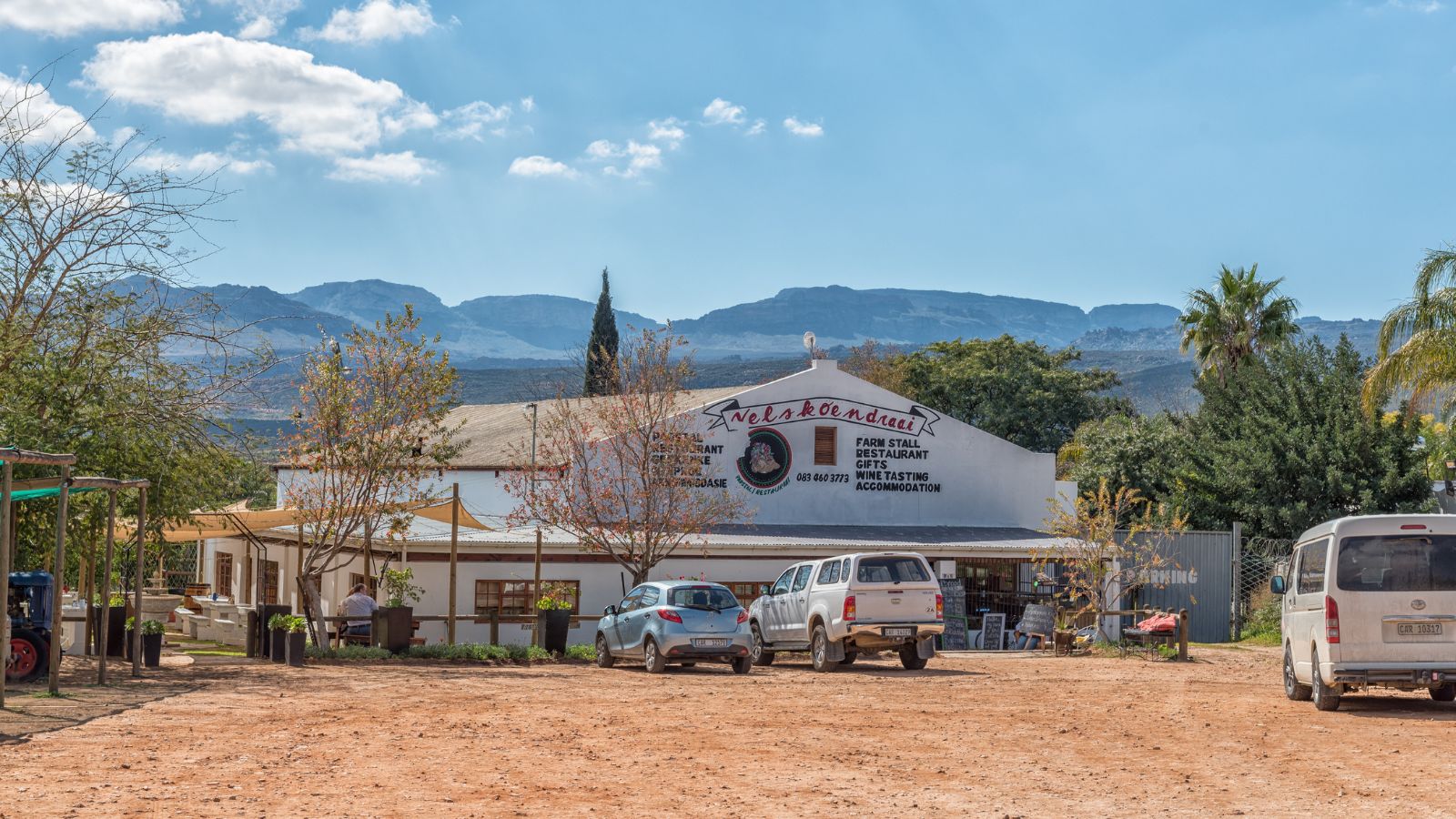
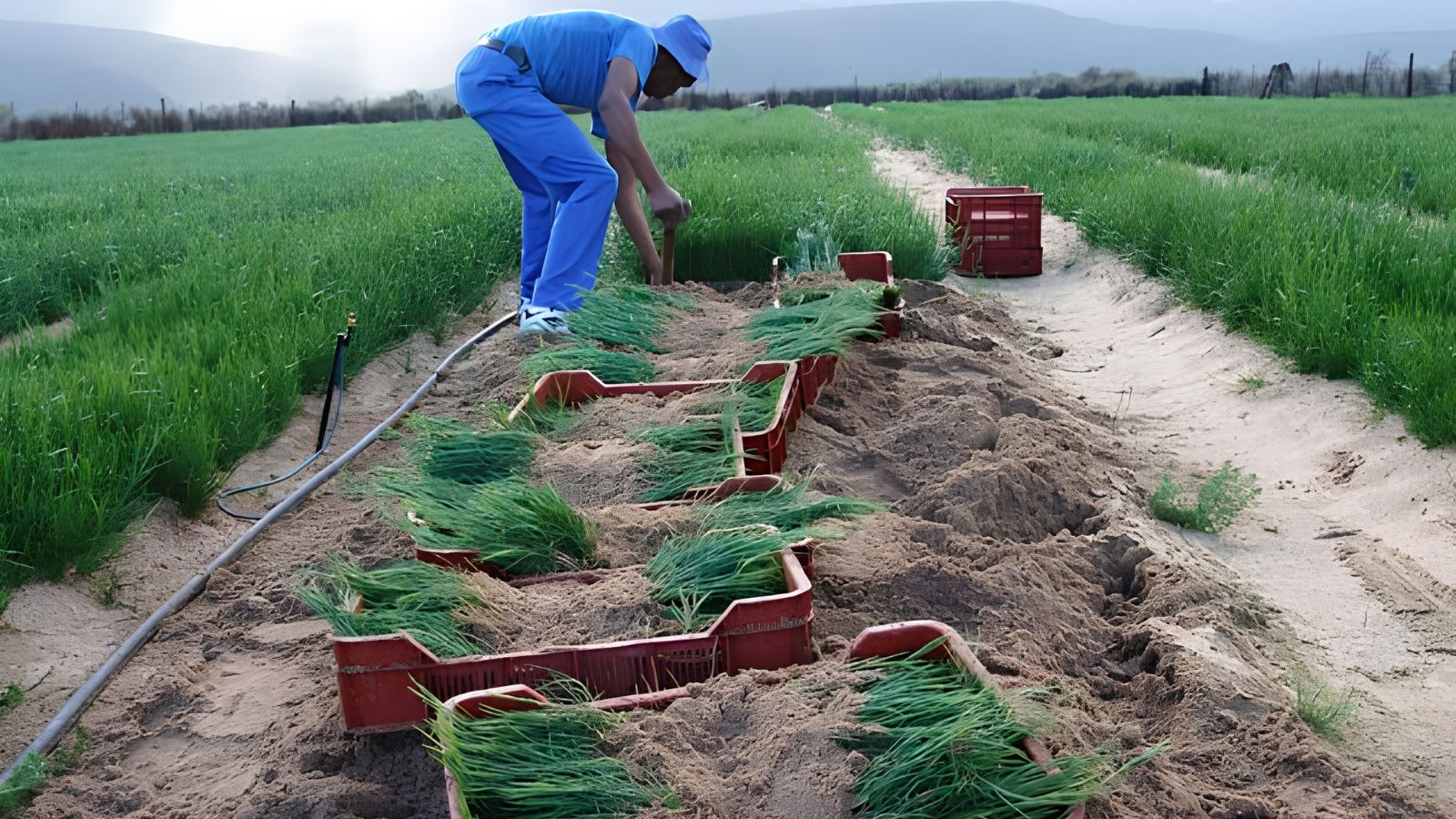
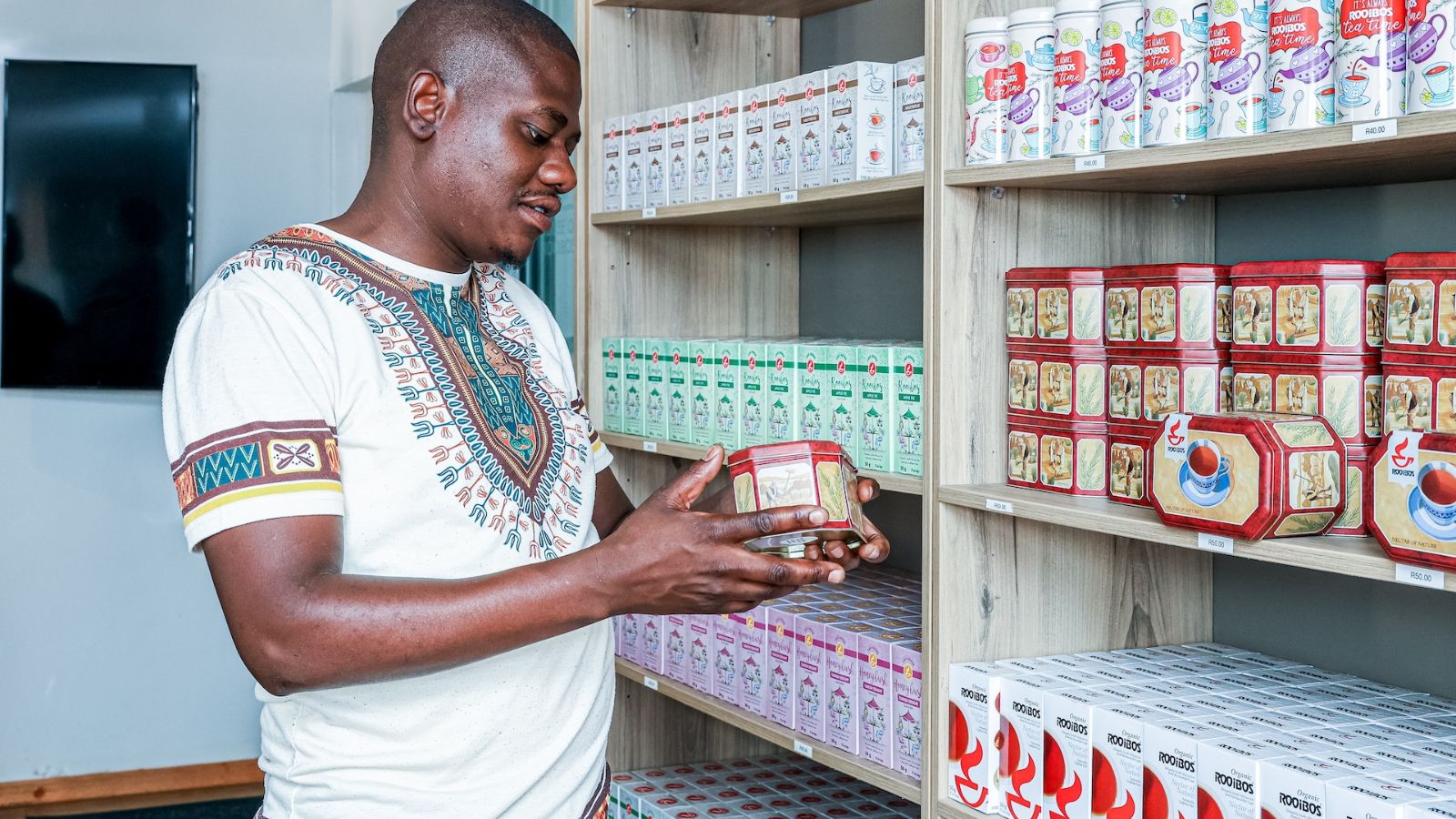
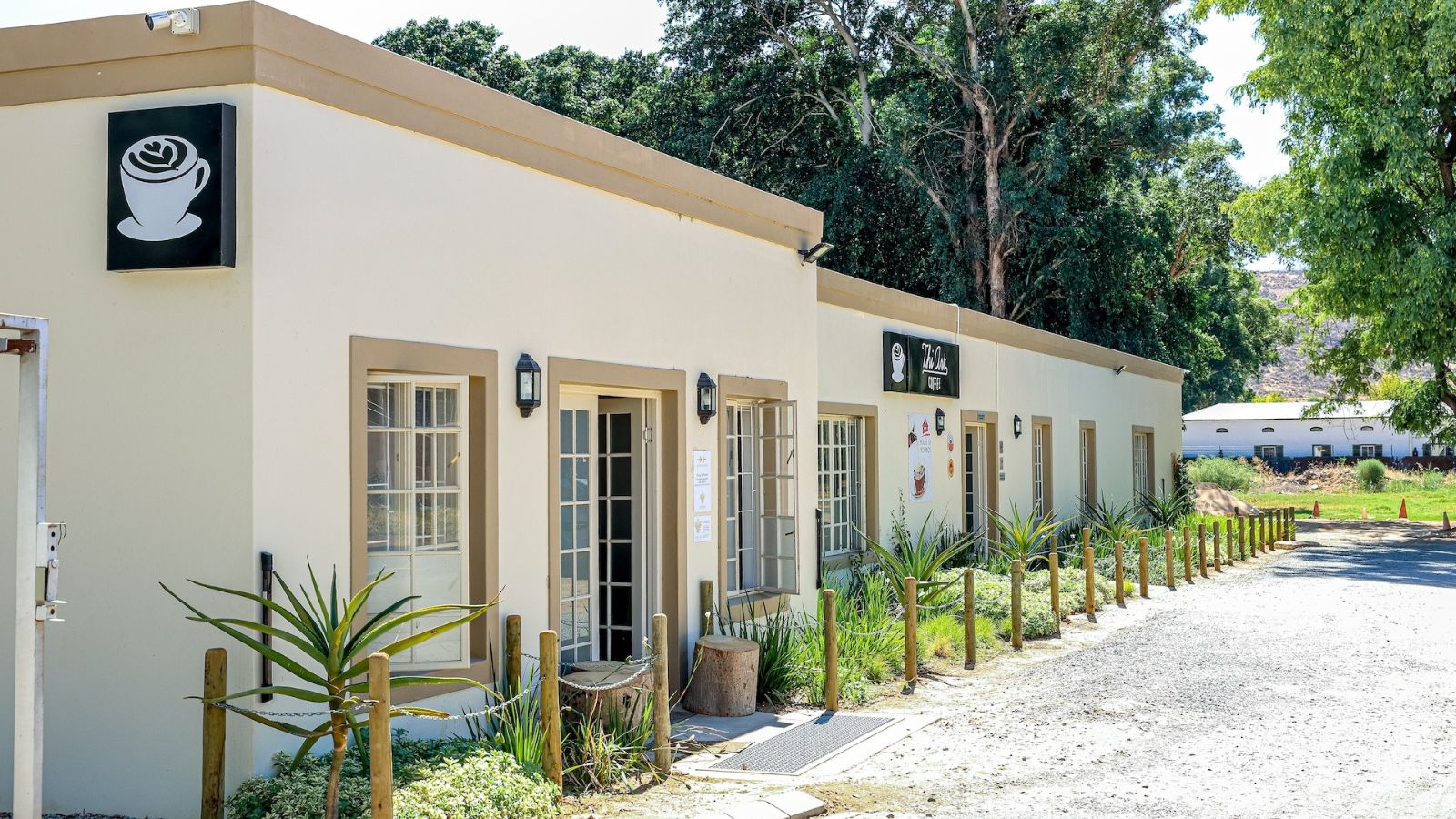
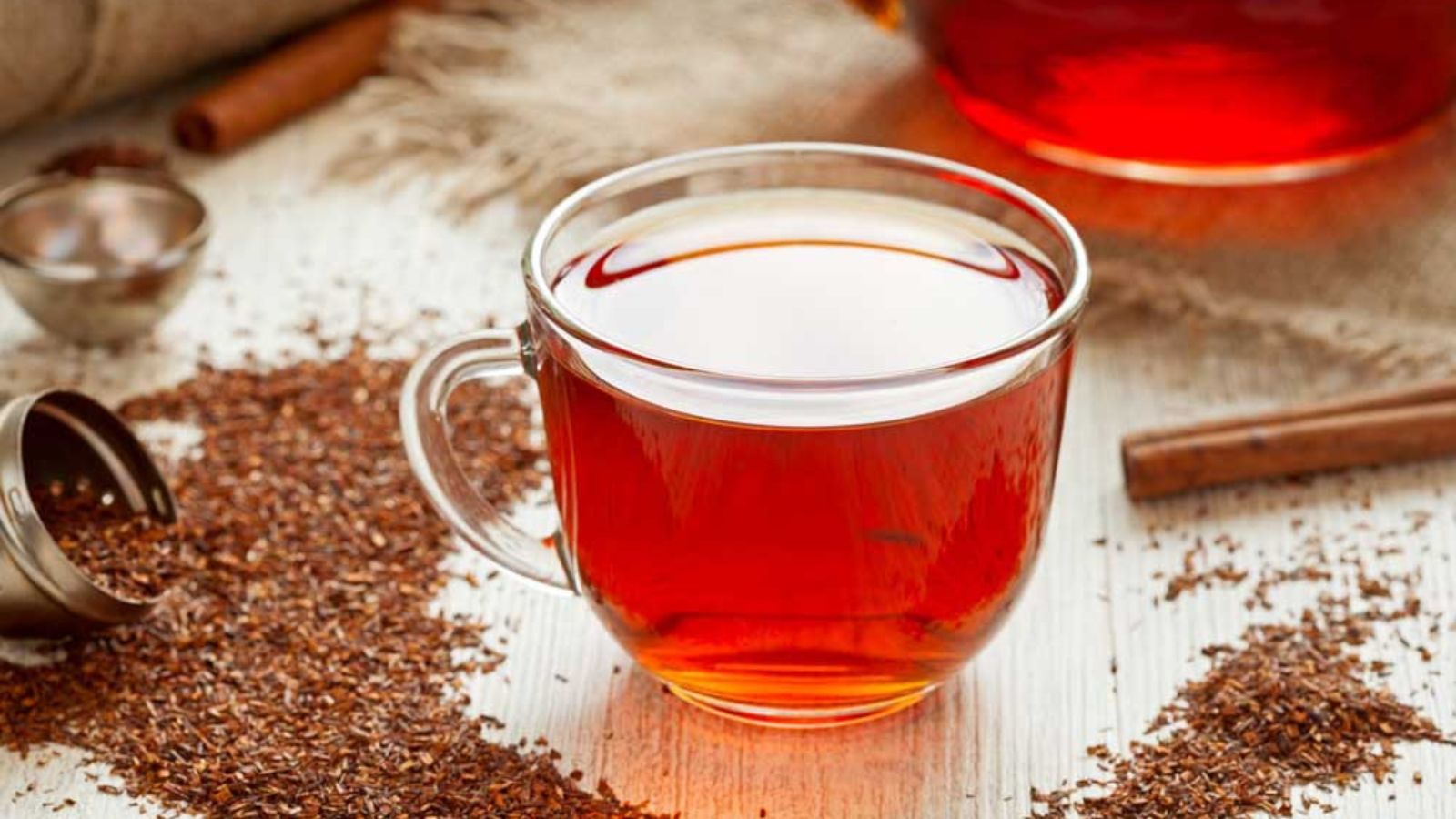
Photos of Clanwilliam and its Rooibos production


















 Loading ...