

What Makes a Good Guide Dog? The Dedication Behind Assistance Dogs


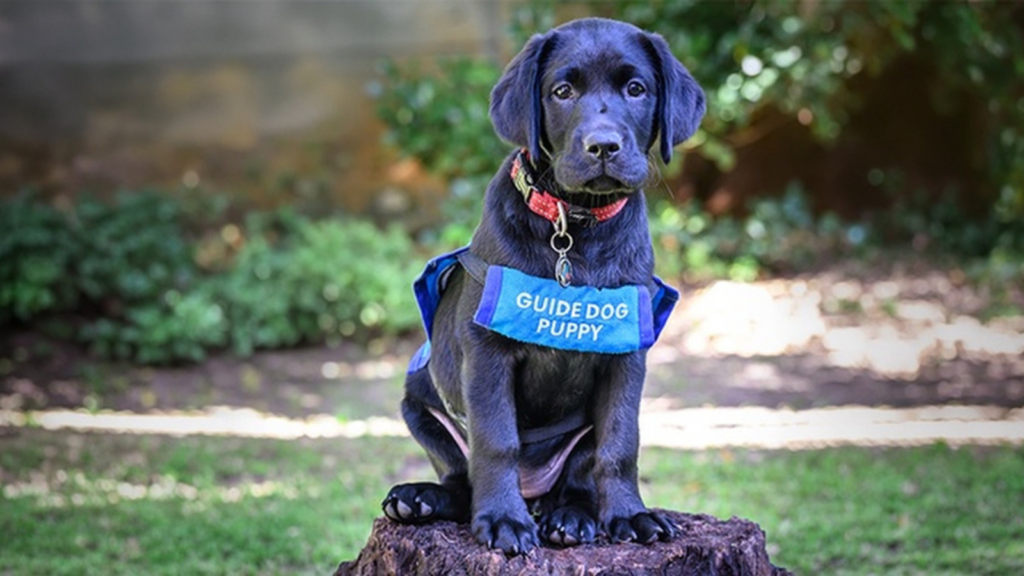
Winnie is learning the confidence and adaptability that trainers look for when assessing potential guide dogs.
Guide dogs are among the most recognisable assistance dogs in the world, but many people are surprised to learn how much training goes into preparing them for the job.
The process starts long before a dog is matched with a handler.
The South African Guide-Dogs Association carefully breeds and assesses its puppies from an early age.
Trainers monitor temperament, behaviour, confidence, and responsiveness to identify dogs that may be suited to guide work.
Winnie, a young puppy currently progressing through the programme, has already shown some of the characteristics trainers value, including healthy curiosity and a willingness to learn.
Which Traits Should Guide Dogs Have?
Intelligence is only one piece of the puzzle.
Guide dogs need to stay calm in busy environments, remain focused around distractions, and adapt to unfamiliar situations.
They regularly encounter big crowds and changing surroundings, all while working closely with their handlers.
Confidence is another important trait. A guide dog must be comfortable navigating the world and able to recover quickly when faced with something unexpected.
For this reason, trainers pay close attention to how puppies respond to new experiences and handle unfamiliar environments.
How Do Guide Dogs Know Where to Go?
The handler decides on the destination and gives directional instructions, while the dog helps them travel safely by avoiding obstacles and identifying potential hazards along the route.
The dog’s role is not to choose the destination but to help their handler move through the environment safely and confidently.
This partnership can have a significant impact on independence and mobility for people who are visually impaired.
Why Early Socialisation Matters
Before guide dogs learn advanced skills, they spend months experiencing everyday life.
Puppies are introduced to busy streets, public spaces, different surfaces, and unfamiliar sounds.
They learn to remain calm around distractions they may encounter later in life.
For Winnie, these experiences are now part of everyday training.
Each outing gives her the opportunity to build confidence and become comfortable in a wide range of environments.
Years in the Making
Preparing a guide dog requires a considerable investment of resources. Programmes like these rely on the support of volunteers, donors, and corporate sponsors, such as Dotsure sponsoring Winnie’s journey, to help cover the costs.
Whether Winnie eventually qualifies as a guide dog or follows a different path, such as a service dog or autism support dog, her story offers a glimpse into the work that takes place long before an assistance dog is paired with a handler, and the many people who help make independent mobility possible.
Dotsure Limited (Registration number 2006/000723/06) is a licensed non-life insurer and authorised financial services provider (FSP39925).
Voted South Africa’s Best Pet Insurance 2023-2025 by readers of The Star, Die Burger, Beeld, and City Press.














 Loading ...