

Apologising for load shedding was foolish, says former South African president


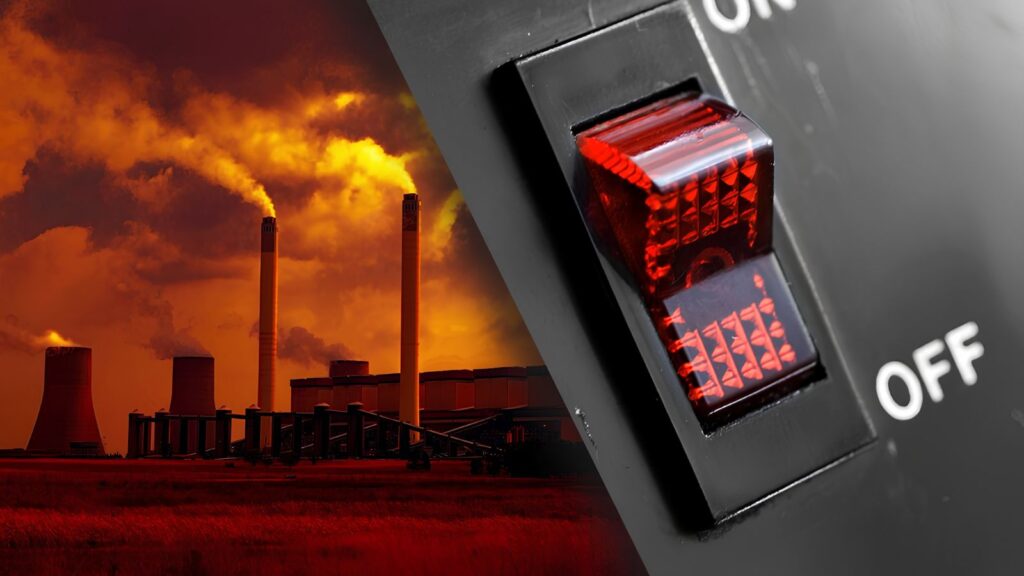
Former president Thabo Mbeki says he now believes his public apology to South Africans for the country’s first experience of load shedding was “foolish”.
Speaking at the 2026 National Democratic Revolution (NDR) Seminar on 29 June 2026, Mbeki said his view changed after reading what he described as a leaked 2017 Special Investigating Unit (SIU) report.
He noted that the report suggested the crisis may have been deliberately engineered by corrupt elements within Eskom.
Mbeki served as South Africa’s president from June 1999 until September 2008, overseeing a period of strong economic growth but also the country’s first nationwide electricity crisis.
South Africa’s first experience with load shedding was at the beginning of 2008, following severe coal shortages at Eskom’s power stations that left the utility unable to meet electricity demand.
At the time, Mbeki’s administration apologised to the public, believing the crisis resulted from operational failures.
However, he has now said that the alleged findings of the leaked SIU report point to deliberate actions by individuals inside Eskom rather than poor governance and mismanagement.
According to Mbeki, the report alleged that power station managers ignored automated warnings that coal stockpiles were running dangerously low and intentionally failed to replenish them.
“The station managers just didn’t replenish, so they ran out of coal deliberately, and in terms of the rules and regulations of Eskom, once a thing like that happens, you declare an emergency,” Mbeki said.
He explained that declaring an emergency allowed Eskom to bypass normal procurement procedures.
“One consequence of the emergency is that you don’t need to tender. You just go and buy the coal from whoever has got coal, and that immediately doubles the price of coal. It was deliberate.”
Mbeki said reading those allegations made him rethink his own response to the crisis nearly 20 years ago. “I apologised, so when I read this thing in the newspaper, I said to myself, ‘How foolish was I.’”
Calls for the “secret” report to be released with full disclosure
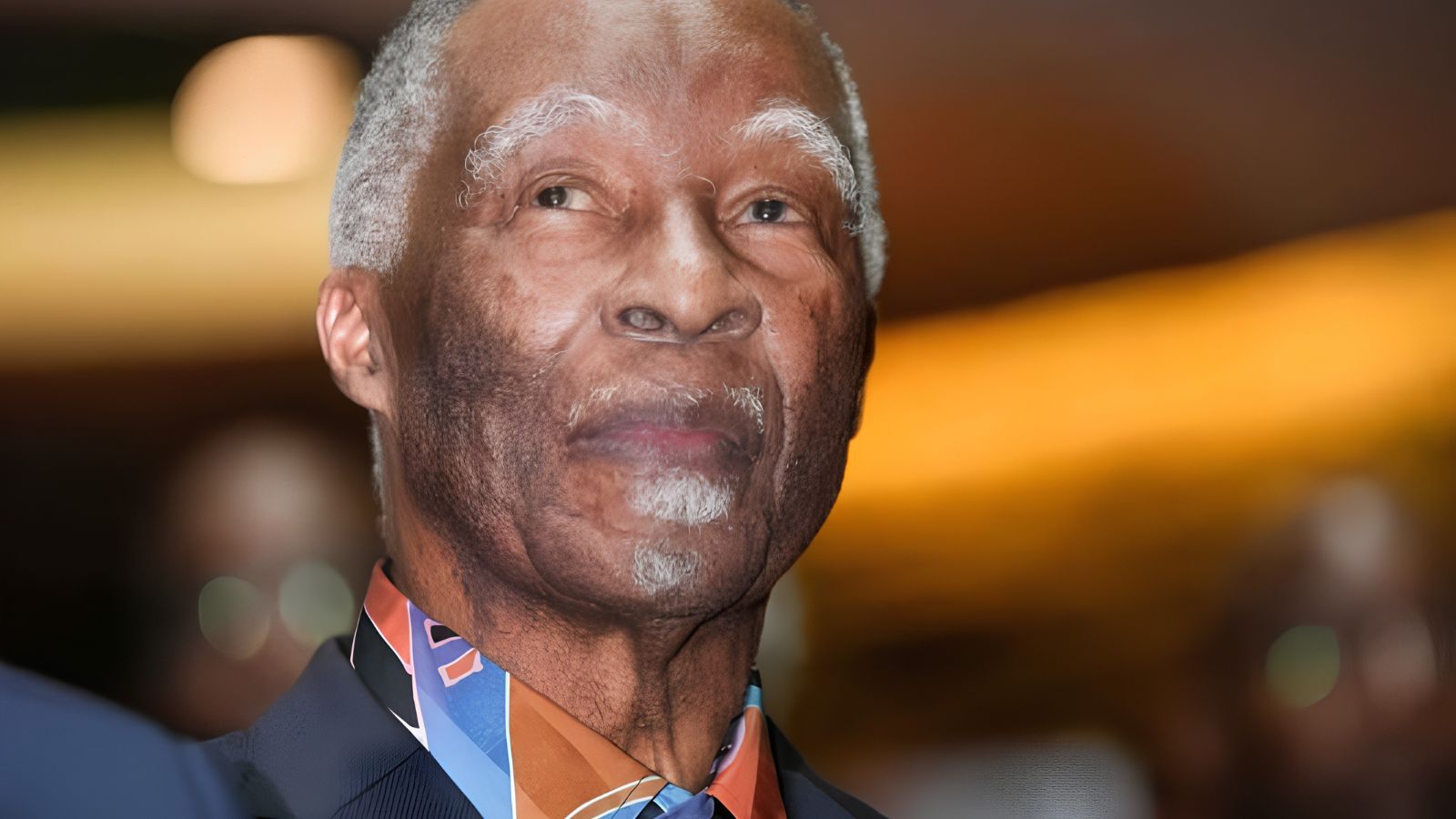
He stressed that his government acted based on the information available at the time and had no indication that criminal conduct may have played a role in the crisis.
Mbeki noted that although an apology was appropriate given the circumstances, it did not address whether the allegations in the report are accurate.
“So we take responsibility. I apologised. That’s the right way to respond given the information we had,” Mbeki said.
“In substance, given what actually happened, the problem needed a much better response than an apology. But we didn’t know. We didn’t know the truth.”
The SIU report referred to by Mbeki has never been officially released to the public.
According to Mbeki, the report was completed in 2017 during former president Jacob Zuma’s administration, after he was commissioned to investigate the causes of the 2007 and 2008 electricity crises.
The report’s alleged findings have renewed calls from trade unions and civil society organisations for its full publication.
They argue that if the electricity crisis was intentionally created to benefit corrupt suppliers, those responsible should face criminal prosecution.
This is not the first time Mbeki has made these allegations about the origins of the load shedding crisis in South Africa.
The former president first made these allegations during the African National Congress (ANC) National Executive Committee (NEC) Lekgotla in January 2026.
“These are extremely serious allegations,” said the South African Federation of Trade Unions (SAFTU) in response to the allegations.
“If true, they amount not simply to corruption or incompetence, but to deliberate economic sabotage against the people of South Africa.”
The union added that claims of this magnitude cannot rest on speeches or political interpretations. “They must be supported by evidence, transparency, and prosecutions. South Africans deserve facts, not conspiracy theories.”
It demanded that the SIU report be released with full disclosure of its findings and the naming of all responsible individuals.
“A democracy cannot be governed through secret reports. If workers suffered because of deliberate actions, those responsible must go to jail,” it added.
















 Loading ...