

Food warning to people in Cape Town


The Western Cape Department of Health has reported a concerning increase in confirmed cases of poisoning caused by “Death Cap” mushrooms in the province.
This mushroom is one of the most dangerous and toxic species in the world. Over the past two weeks, there have been five confirmed cases of poisoning.
Tygerberg Poisons Information Centre Director Carine Marks has warned South Africans that even a single bite of certain species of these wild mushrooms can be fatal.
“We’ve recently seen a concerning increase in ‘Death Cap’ mushroom poisoning in the Western Cape. In fact, we had five confirmed cases in the Western Cape in just the past two weeks,” she said.
Marks explained that with all the recent rain, these wild mushrooms are appearing everywhere in parks, gardens, vineyards, and forests.
At the same time, mushroom foraging has become increasingly popular, particularly among young people who explore nature and seek edible mushrooms.
She has cautioned against trying to distinguish poisonous mushrooms from safe ones just by appearance.
“There is no reliable home test, and you simply cannot tell if a mushroom is safe by just looking at it. Even more concerning is that cooking, drying and freezing these mushrooms does not destroy the toxins,” she said.
Mushroom wild forager and Mycologist Daniel Sherwood told Radio 702 and CapeTalk that the spike in poisoning could be due to misidentification.
He explained that people using mushroom identification apps may be misled, as the apps can be inaccurate.
“People often make mistakes thinking animals or insects eat it, so it should be fine for them to eat it, and sometimes people believe they can cook the toxins out of a mushroom, which is not true,” said Sherwood.
He said that the “Death Cap” mushrooms contain amatoxins, which can withstand normal cooking temperatures.
The only hope is a liver transplant
“You can’t get rid of the compound of amatoxins; it is the deadliest mushroom in the world and the whole fungi kingdom,” Sherwood said.
Sherwood explained that people are becoming more “health-conscious,” leaning more towards foraging in nature.
Sherwood explained that this is dangerous for people who lack experience and knowledge of the fungal kingdom.
“It’s something that takes a lot of time, dedication and experience to learn about; you can’t learn about mushrooms overnight,” he said.
He urges beginner foragers to go out with an expert or someone who has been foraging for a couple of years.
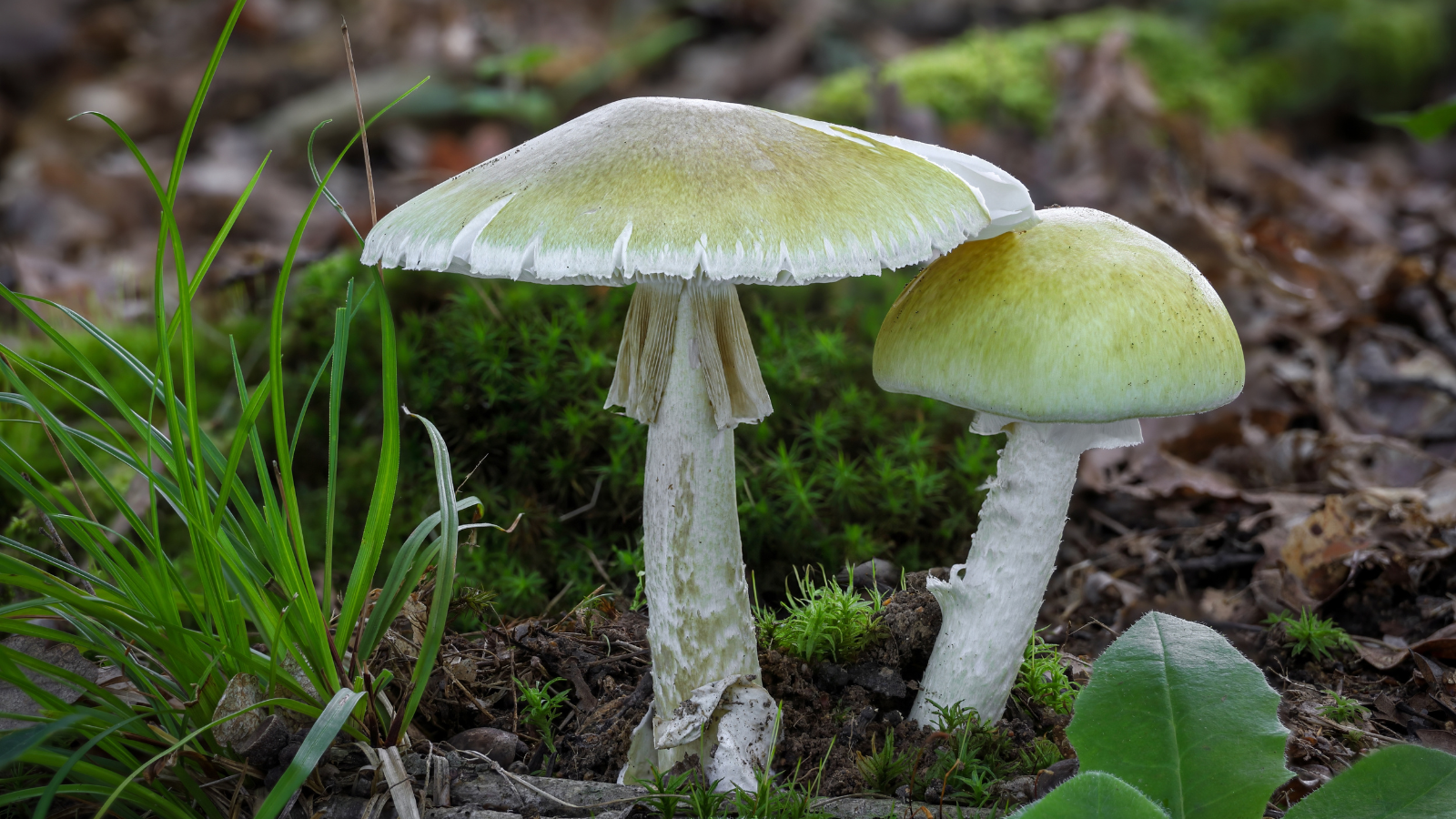
“With the Death Cap, for instance, it has got a yellow-greenish olive coloured cap and white gills,” he explained.
Sherwood said that if someone feels ill after consuming this type of mushroom, it is important to seek immediate medical attention.
“There’s not much that you can do, after ingesting half a cap of a death cap mushroom, you’ve pretty much signed yourself to your deathbed.”
Sherwood explained that after ingesting a death cap mushroom, one will feel normal for several hours until the symptoms kick in, which range from severe stomach cramps to non-stop, uncontrollable vomiting.
He warned about a false sense of recovery, where all the symptoms start to subside for a day or two.
“While that is happening, the amatoxins are affecting your liver, kidney and your brain. They shut down and go into organ failure.”
He said the only slight hope after this would be to get a liver transplant, but that survival is quite unlikely.














 Loading ...