

New ‘tax’ for petrol and diesel is coming


Oil prices are once again surging as the United States moves to reinstate its blockade on the Strait of Hormuz, and US President Donald Trump threatens to impose a 20% toll on ships passing through.
According to the CEO of financial advisory giant deVere Group, Nigel Green, the latest escalation of conflict between the US and Iran has effectively resulted in a global tax on fuel, which could become permanent.
“Tolls in the Strait of Hormuz now look almost impossible to avoid. Should they land, the world would be paying a new tax on energy itself, and everyone from investors to households would feel it,” he said.
Green noted that both the US and Iran are fighting to control the Strait and to implement tolls. “Whoever wins this fight over the toll, the bill lands on everyone else,” he said.
“About a fifth of the world’s oil and gas moves through Hormuz. Add a 20% charge on that, and you’ve taxed global energy, full stop, no matter whose flag is on the toll booth.”
Iran’s foreign minister insists Tehran, not Washington, controls the strait and deserves compensation for safe passage.
Trump, meanwhile, on Monday demanded a 20% reimbursement on cargoes passing through Hormuz.
Green noted that the United Nations’ maritime agency says there is no legal basis for either side to impose mandatory fees—however, “the legal argument barely matters anymore”.
“Two governments are fighting over who gets to run the toll booth. The rest of the world just pays whoever wins,” he said.
“Nobody in international hubs around the world cares if the flag is American or Iranian. They care that moving energy through one of the planet’s most important chokepoints just got a lot more expensive, and it might stay that way.”
Green said that industry estimates suggest a fee at the proposed 20% rate could add roughly $16 a barrel to crude shipped through the strait, and as much as $32 million to a single supertanker’s costs.
This would dwarf anything Iran had previously tried to charge, he added.
Oil prices in a shaky spot
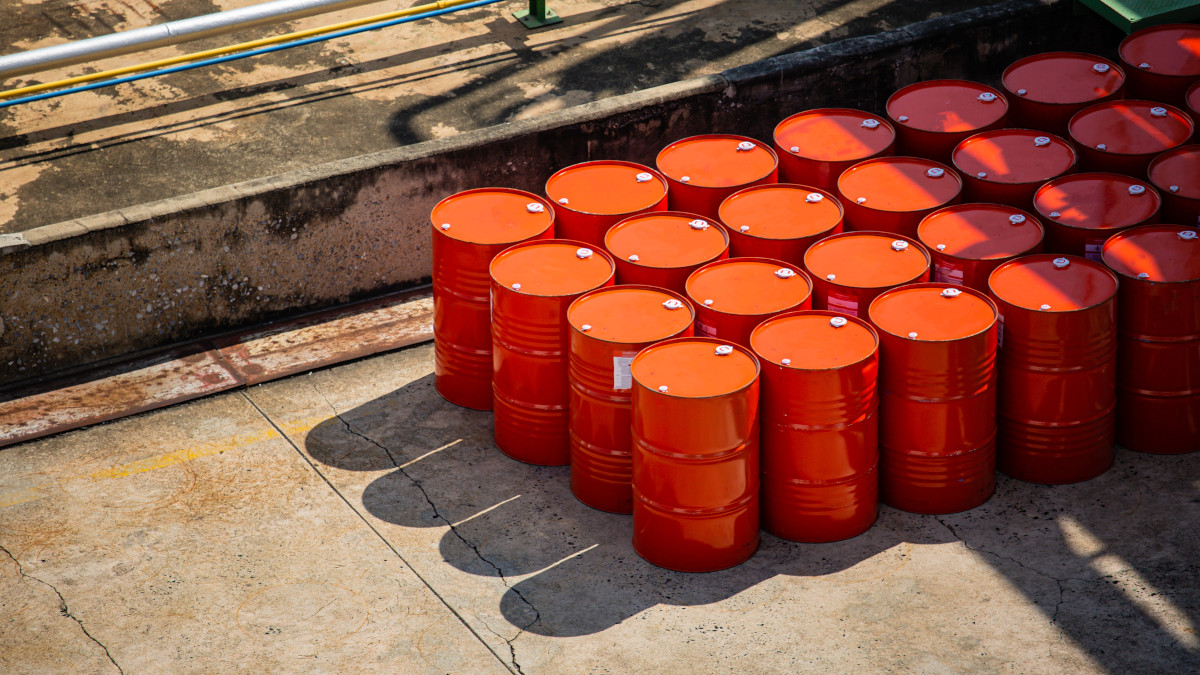
Traffic through Hormuz has already dropped by more than 50% over the past week, with oil prices pushing above $85 a barrel.
This, after moving steadily towards $70 a barrel during the brief break where the US and Iran were negotiating a long-term end to the conflict.
According to analysts speaking to Bloomberg, oil prices are likely to remain around $80, “unless there’s some movement one way or another on the Strait”.
The likelihood of prices pushing to $90 or $100 again is low, they said, but uncertainty is once again the theme of the day.
“If the Strait reopens, we’ll go to $60 in one hell of a hurry,” they said.
Energy prices, meanwhile, are surging on the latest developments. European natural gas surged as much as 3.6% to its highest in more than three months.
Locally, fuel price recoveries have been retreating, with the latest data from the Central Energy Fund showing an over-recovery of around R1.40 per litre for petrol—down from R2.50 at the start of the month.
Diesel is showing a bigger swing, retreating to around R1 per litre, down from R3 per litre at the start of the month.
While recoveries are still positive—lining motorists up for a cut at the pumps in August—fuel prices are currently still around R6 per litre higher than before the war broke out at the end of February.
If the conflict persists and oil prices remain elevated, energy costs will remain higher for longer, weighing on inflation and the wider economy.

















 Loading ...