

Government issues a warning to anyone who employs a domestic worker in South Africa


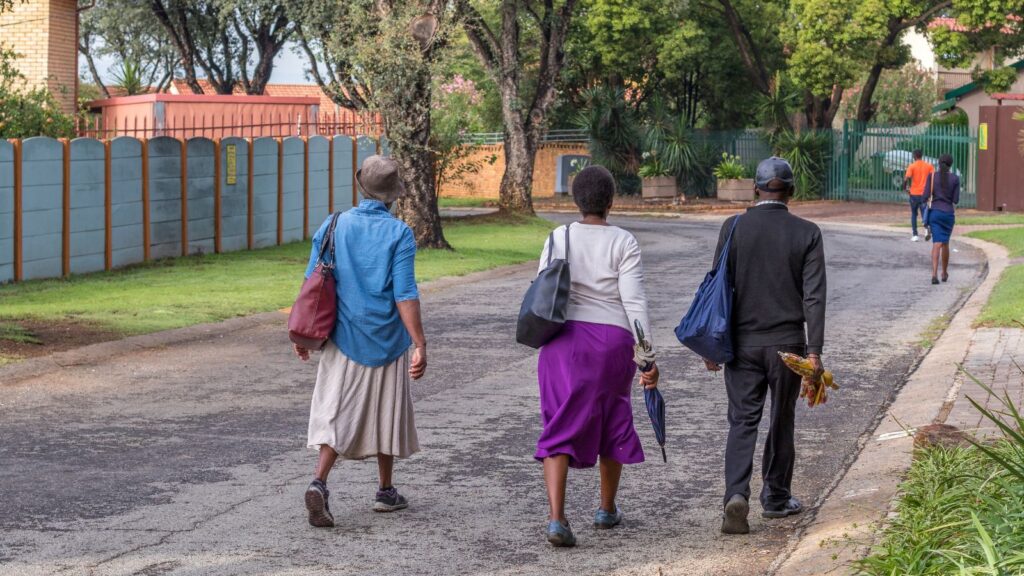
The Department of Employment and Labour has warned that employers who hire a domestic worker for 24 hours or more per month could face legal action if they do not register them for the Unemployment Insurance Fund (UIF).
The warning comes as the government intensifies efforts to strengthen protections for workers in South Africa’s informal economy, where many employees continue to face insecure work, poor working conditions and limited access to social protection.
Speaking after the National Policy Dialogue on Strengthening the Protection and Promotion of Human Rights of Workers in the Informal Economy in Pretoria, Inspector-General Aggy Moiloa stressed that employers cannot ignore their obligations.
“If you employ a domestic worker for 24 hours or more a month, you must register them with the Unemployment Insurance Fund (UIF). It’s not optional, it’s a legal obligation,” Moiloa said.
The department warned that employers who fail to register qualifying domestic workers could face legal consequences.
Acting Deputy Director-General for Labour Policy and Industrial Relations Sipho Ndebele said protecting workers in the informal economy remains a government priority.
Addressing the policy dialogue, Ndebele noted that millions of South Africans rely on informal work to survive, making the sector a critical part of the country’s economy.
However, he said domestic workers and many others continue to experience insecure employment, unsafe working conditions, limited access to social protection and difficulties enforcing their rights.
According to Ndebele, these are not just labour market challenges but human rights issues that require coordinated action.
He said the government is committed to strengthening labour inspections and enforcement, but added that meaningful progress will depend on cooperation between the government, organised labour, employers, and workers themselves.
The focus on domestic workers also comes amid mounting pressure from some of South Africa’s biggest trade unions.
The South African Domestic Service and Allied Workers Union (SADSAWU), backed by Cosatu, has called on the government to do more to ensure domestic workers are recognised as formal employees with the same basic labour rights as other workers.
Domestic workers are entitled to labour protections guaranteed under South African law
The union has argued that many domestic workers are still excluded from UIF registration and are not paid fair wages, despite often being the primary breadwinners in their households.
According to data from SweepSouth, the average domestic worker supports four dependents while earning relatively low monthly wages.
The sector has also shrunk significantly since the Covid-19 pandemic. Employment in domestic services declined from roughly 1.2 million workers before the pandemic to around 839,000.
Apart from UIF registration, employers also have obligations under the Compensation for Occupational Injuries and Diseases Act (COIDA).
Domestic workers are legally entitled to compensation if they are injured or contract a disease because of their work, but employers must register and comply with the Compensation Fund for those protections to apply.
The department has urged employers to ensure they are registered with both the Compensation Fund and UIF.
For COIDA, employers must register through the Compensation Fund’s Return of Earnings (ROE) online system and submit annual declarations of their domestic workers’ earnings.
Failure to submit the required declaration can result in penalties. For UIF, employers must register as domestic employers through the uFiling system.
Monthly contributions equal 2% of the employee’s earnings, with employers contributing 1% and deducting the remaining 1% from the worker’s salary before paying it over to the UIF.
The department said these measures are designed to provide an essential financial safety net for domestic workers who lose their jobs or become unable to work, and ensure they enjoy the labour protections guaranteed under South African law.

















 Loading ...