

R600 billion German company has the power to collapse important South African town


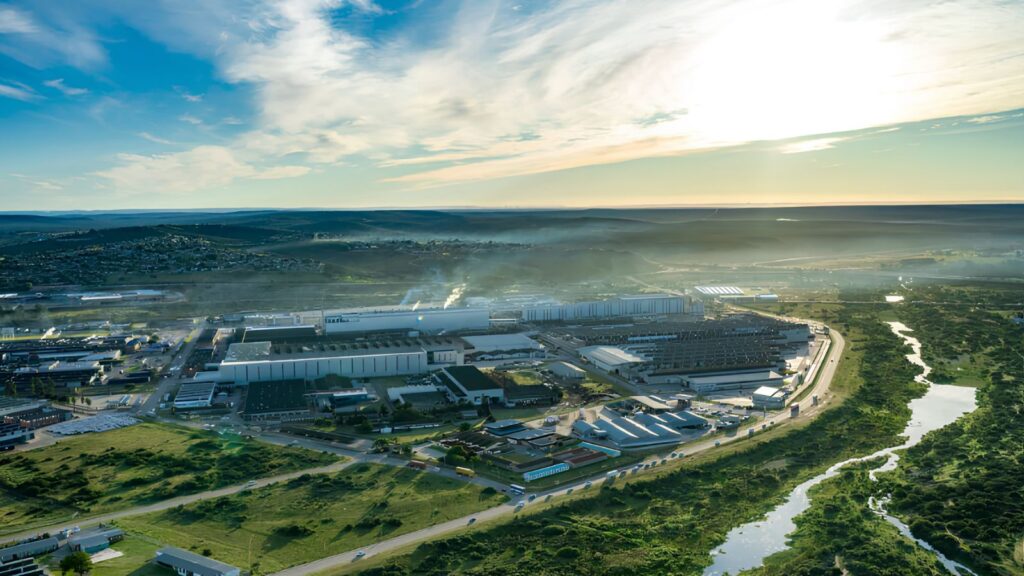
Volkswagen (VW), the German automotive giant valued at roughly R679 billion, is weighing what could become the largest restructuring in the history of the global motor industry.
VW is reportedly considering closing four factories in Germany and cutting up to 100,000 jobs worldwide.
The reported plans have raised concerns in South Africa, where Volkswagen operates its major assembly plant in Kariega, Eastern Cape.
Kariega, formerly known as Uitenhage, is home to Volkswagen’s South African manufacturing facility, the largest vehicle factory on the African continent.
Together with Gqeberha (formerly Port Elizabeth), the town forms part of the Nelson Mandela Bay Metropolitan Municipality and is vitally important to the country’s automotive industry.
In June, Reuters reported that Volkswagen’s supervisory board had been informed that the company was considering closing factories in Hanover, Zwickau, Emden and Audi’s Neckarsulm plant.
More than 45,000 jobs could be affected by those closures, in addition to around 50,000 job reductions already planned.
The German manufacturer is facing mounting pressure from slowing demand in Europe, declining sales in China, growing competition from Chinese vehicle makers and the impact of US tariffs on imported vehicles.
Volkswagen has not provided any further information about the factory closures. However, it acknowledged that the entire group, including its brands and subsidiaries, must undergo far-reaching change.
While no decisions affecting Volkswagen South Africa have been announced, the developments have prompted warnings about the country’s competitiveness as a manufacturing destination.
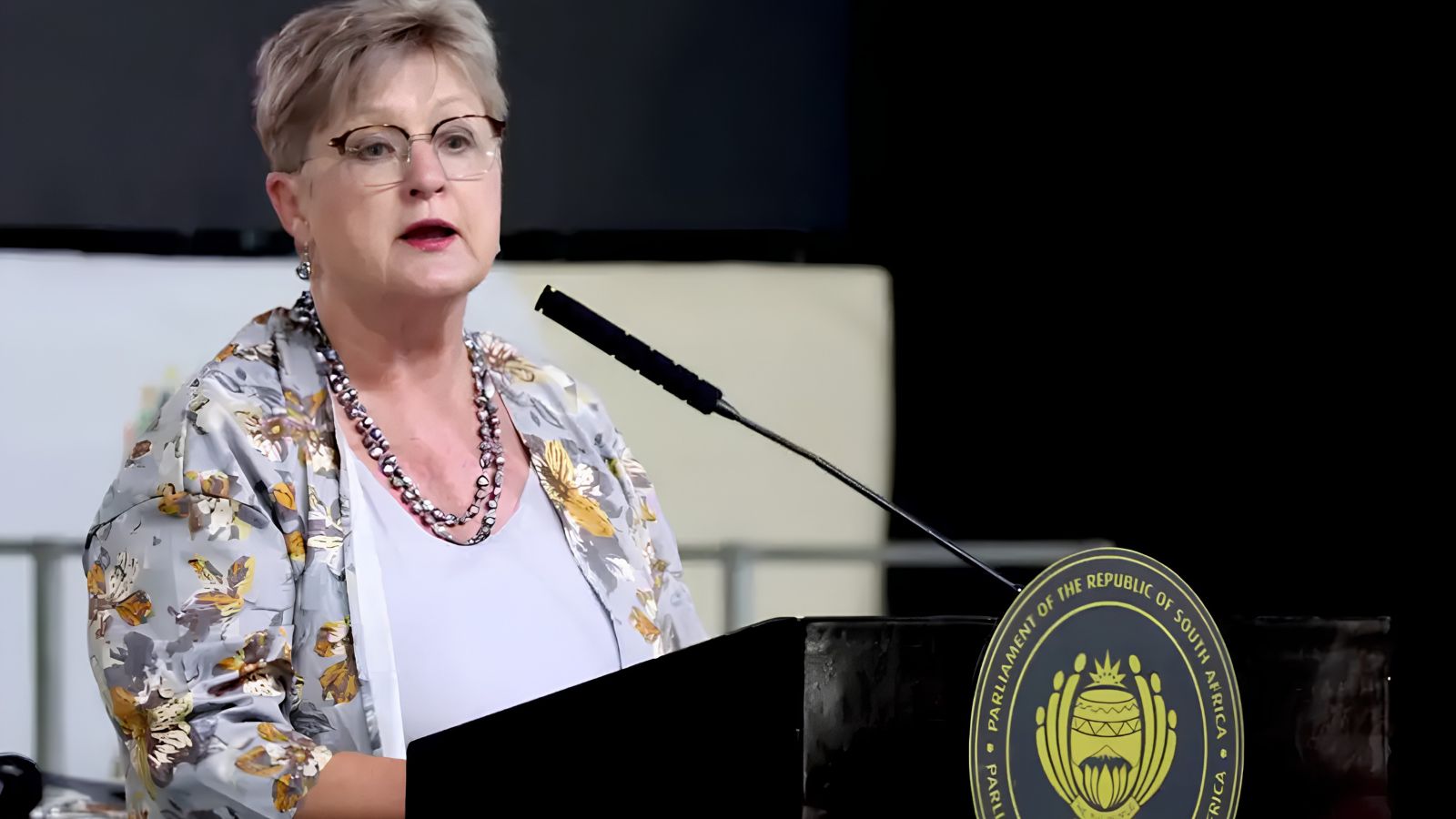
Chairperson of Parliament’s Select Committee on Economic Development and Trade, Sonja Boshoff, said South Africa should view the reports as a warning that international automotive investment cannot be taken for granted.
“The reality is that every country is competing aggressively to retain automotive investment. South Africa cannot simply assume that future production lines and new model allocations will come our way,” Boshoff said.
“We have to earn them by creating an environment where manufacturers can compete successfully.”
The government must accelerate reforms to make South Africa more attractive
She noted that the pressures facing Volkswagen are not unique to the company, but reflect broader changes affecting the global automotive industry.
“The pressures facing Volkswagen, including rising production costs, shrinking profit margins on electric vehicles, increased competition from Chinese manufacturers and global trade tensions, are challenges confronting the automotive industry worldwide,” she said.
The concerns are particularly significant for Kariega because Volkswagen is one of the region’s biggest employers.
The plant directly employs between 3,500 and 4,000 people, while thousands more jobs depend on businesses that supply components, transport services and other products to the factory.
Industry estimates suggest that every direct manufacturing job supports several additional jobs throughout the supply chain, meaning any major reduction in production could have wider economic consequences for the Eastern Cape.
Boshoff said the automotive industry remains one of South Africa’s most important economic sectors, supporting hundreds of thousands of direct and indirect jobs across manufacturing, component suppliers, logistics, dealerships and small businesses.
“Any weakening of this sector would have consequences that extend far beyond the factory floor,” she said.
She urged the government to accelerate reforms to make South Africa more attractive to global manufacturers.
“We need policy certainty, reliable electricity, efficient ports and rail infrastructure, reduced regulatory burdens and the rapid implementation of measures that position South Africa to remain a preferred destination for automotive investment,” Boshoff said.
She added that South Africa should reassess whether its industrial policies remain competitive as manufacturers increasingly prioritise speed, flexibility and lower operating costs when deciding where to invest.
“Our Special Economic Zones should become genuine engines of competitiveness by reducing unnecessary regulatory barriers, streamlining approvals and creating conditions that encourage investment, innovation and job creation,” she added.
“As global manufacturers rethink where they invest, South Africa must ensure it is among the most attractive destinations.”
Boshoff said government, labour and industry should work together to protect the sector before investment decisions are made elsewhere.
“Every automotive investment secured in South Africa protects livelihoods, strengthens local supply chains and contributes to economic growth.”
“We cannot wait until jobs are under threat before we act. The time to strengthen our competitiveness is now,” she said.















 Loading ...