

Important information about Koeberg nuclear contamination event


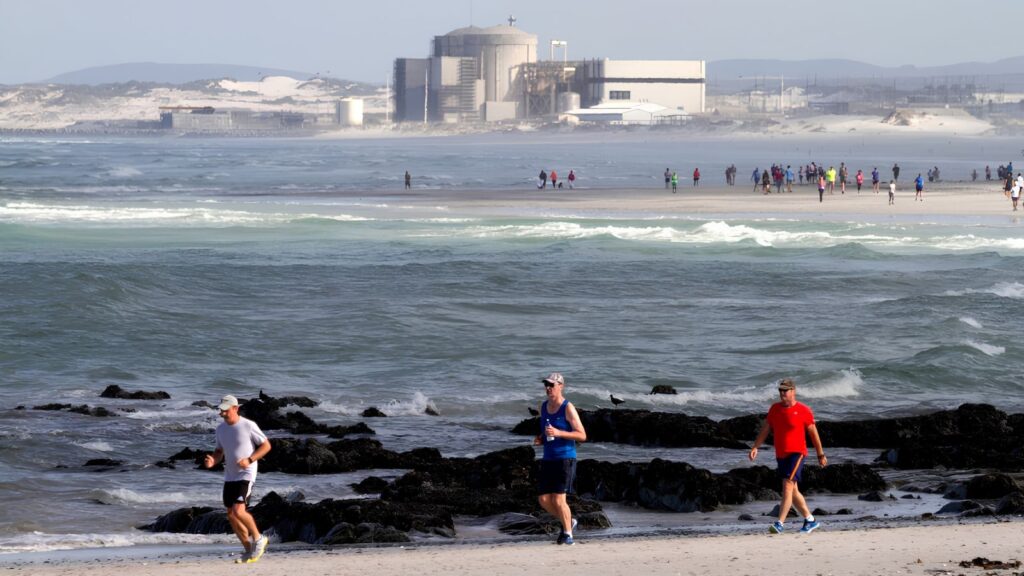
Three radioactive contamination events occurred at Unit 2 of the Koeberg Nuclear Power Station during maintenance work.
However, energy expert Matthew Cruise stressed that the incidents posed no danger to the public and were relatively minor.
The contamination events occurred on 30 June, 2 July, and 7 July, following a power outage to ventilation units serving temporary maintenance tents inside the reactor building.
This resulted in elevated airborne radioactive contamination within controlled areas of the containment building.
Both Eskom and the National Nuclear Regulator (NNR) confirmed that the radioactive contamination remained fully contained within the secure reactor building.
No radioactive material escaped into the environment, and there was no risk to nearby communities.
Workers who may have been exposed were immediately screened, and radiation doses were recorded at levels below those a person would typically receive during a dental X-ray.
Cruise, an energy expert at IMPOWER, said reports of radioactive contamination naturally sound alarming, but stressed that the details show the incidents were far less serious than many people might assume.
“It is a worrying report when you hear that there’s a radioactive contamination event. It sounds very significant,” Cruise said.
“But when we read into the details of the information, we see that, actually, these events were quite minor.”
He explained that the incidents occurred during scheduled maintenance inside Koeberg’s containment building, where portable ventilation tents are used to isolate radioactive equipment while work is carried out.
“These portable ventilation tents are like an air-sealed tent that goes around equipment that has radioactivity,” Cruise said.
“These tents are under negative air pressure. So basically, they’re sucking air in the whole time so that no air can escape from the equipment that is radioactive.”
According to Cruise, the ventilation system normally prevents radioactive particles from entering the surrounding work area.
However, when power to the ventilation units failed, some particles drifted outside the tents.
“The power supply to those portable ventilation tents failed and allowed some of the particles to drift out of the tents and then into the surrounding area,” he said.
Public education is important
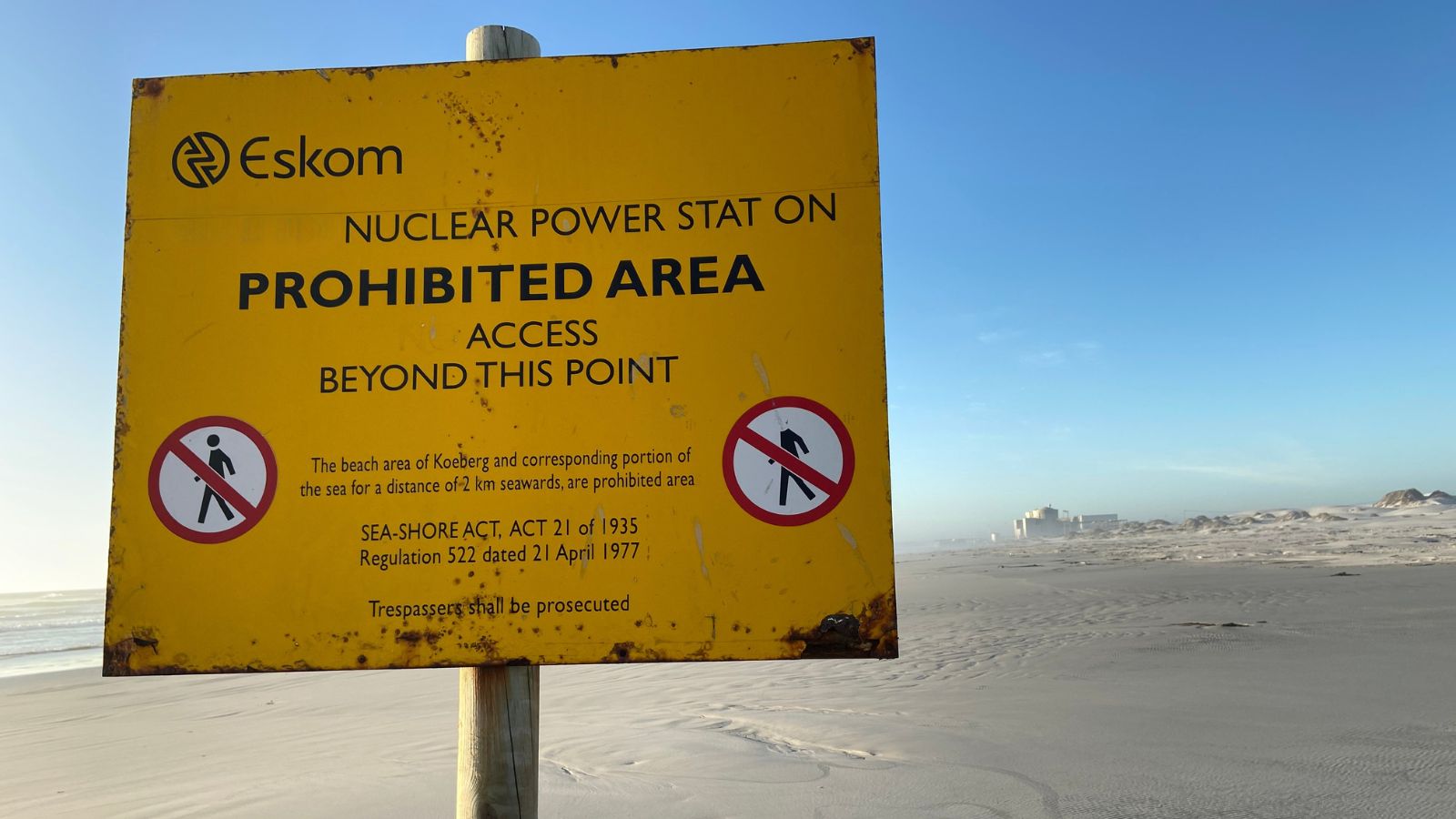
He said radiation monitoring systems immediately detected the contamination, prompting work to stop while workers were assessed.
“They picked up a small amount of radiation, and then they shut down work and measured the workers who were working in the area to see if there was any impact on them,” he said.
The measured exposure was just one microsievert, which Cruise described as extremely low. “They did measure a very small amount. It’s actually a measurement of one microsievert,” he said.
“To put that into context, if you have a dental X-ray at the dentist, you’re exposed to five microsieverts,” he explained.
Cruise also rejected suggestions that the incidents reflected ageing infrastructure at Koeberg, whose operating life was recently extended to 2040.
“This event was not related to Koeberg failing because it’s old and the equipment inside it is failing, and there’s contamination possible for the greater environment,” he said.
He added that Koeberg’s reactor incorporates multiple fail-safe systems designed to prevent serious accidents.
“If there’s a complete loss of power at Koeberg, the control rods drop into the nuclear reactor and shut down everything. It basically makes the nuclear reactor go cold.”
He noted that the station is also designed to withstand extreme events, including a missile strike and a level 5 earthquake.
Based on his academic background in nuclear engineering and 11 years working at Eskom, Cruise said he remains confident in the plant’s safety.
He added that public education is important because many people overestimate the risks associated with modern nuclear power while underestimating the environmental impact of coal-fired electricity generation.
“I think there’s an aspect to nuclear power that education really helps with understanding the risks and the dangers,” Cruise said.
“I’d say that I’m pro-nuclear because it’s a low-carbon emission fuel and it doesn’t do the massive damage to the environment that burning lots of coal does.”

















 Loading ...