

D-Day for Ramaphosa


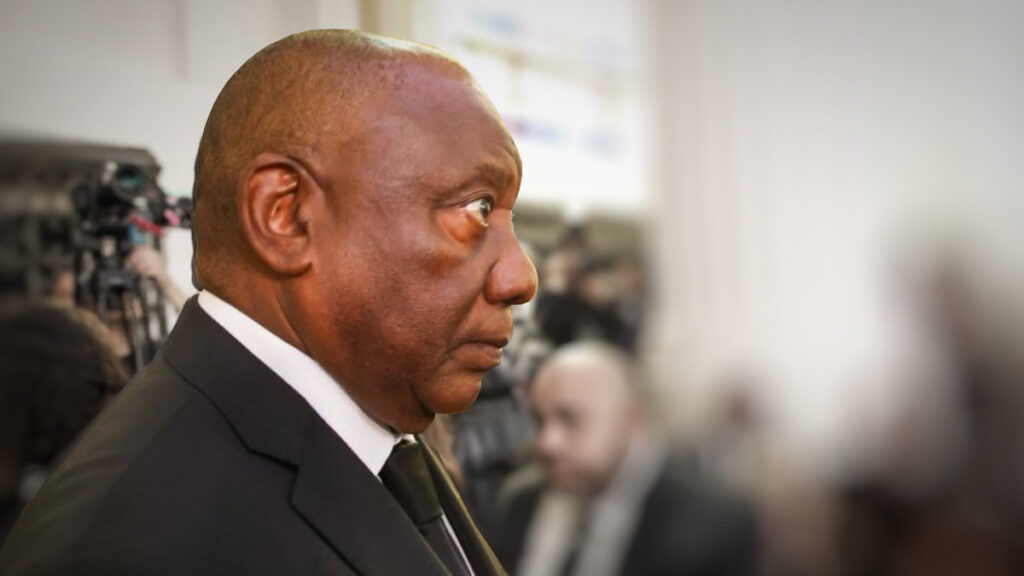
The Western Cape High Court is set to deliver its judgment on Friday regarding President Cyril Ramaphosa’s request to suspend the activities of Parliament’s Impeachment Committee.
Ramaphosa is asking for a temporary halt while he reviews the Section 89 Independent Panel’s report, which determined that he has a case to answer related to the Phala Phala theft.
He argued that the process could cause him harm while the challenge is still pending.
The matter was presented to a full bench of the court last week. Meanwhile, the Impeachment Committee is scheduled to meet on Wednesday (22 July) to discuss the selection of an evidence leader and establish its terms of reference.
Legal and political analyst Mkhuseli Vimba noted that the evidence leader for the Impeachment Committee should possess strong legal expertise and relevant experience.
“The committee would want people with expertise so they can lead evidence in this complex matter, especially a matter that involves a sitting president, whether to be impeached or not impeached,” said Vimba.
“It’s a serious matter that is very complex; therefore, it requires experienced people in the legal profession, and as I have indicated, at the senior counsel level,” he said.
He explained that another important quality the evidence leader must possess is impartiality.
“The evidence leader that may be appointed will have to be very impartial and make sure they dig deep and make sure they give the committee enough evidence on whether to impeach or not to impeach the president,” he said.
The Phala Phala saga and Ramaphosa

Earlier this year, South African President Cyril Ramaphosa filed a lawsuit to halt parliamentary impeachment proceedings against him.
He contended that the process was initiated due to errors by an advisory panel, which concluded that he may have committed serious violations related to a robbery at his wildlife farm.
In documents submitted to the Western Cape High Court on 26 May, Ramaphosa requested that the court review and dismiss the panel’s 2022 report.
He argued that the panel’s conclusions were based on hearsay and did not follow proper procedures. Furthermore, he asked for any related parliamentary actions to be suspended until the review is resolved.
This case stems from a 2020 incident where foreign currency was stolen from inside a sofa at Ramaphosa’s game farm.
The incident led to allegations that he concealed the crime and possibly violated anti-corruption and foreign exchange laws.
The Constitutional Court ruled in favour of the Economic Freedom Fighters (EFF), determining that the National Assembly acted unlawfully when it voted in December 2022 to dismiss the Section 89 Independent Panel report regarding President Cyril Ramaphosa’s Phala Phala scandal.
The court directed Parliament to properly address the Section 89 panel report, thereby reopening the possibility of a comprehensive impeachment inquiry into the President.
This ruling came over 500 days after the case was presented to the court.
The central issue in the ruling concerns Rule 129 of the National Assembly’s impeachment procedures, which the EFF contended was unconstitutional.
The EFF argued that the discretion provided by Rule 129 allowed Parliament to disregard the findings of an independent panel, undermining the constitutional integrity of the impeachment process.
The court concurred, concluding that the National Assembly’s 214-to-148 vote to dismiss the panel’s findings was irrational and inconsistent with the Constitution.
While the panel indicated that Ramaphosa might have breached the constitution and his oath of office, he has consistently asserted his innocence.
Independent investigations conducted by the nation’s tax agency and central bank found no indication that he had violated any laws.













 Loading ...