

The 153-year-old town in South Africa that produced 2.1 million carats of diamonds and then collapsed into ruin


The 153-year-old town of Lichtenburg in the North West, which produced 2.1 million carats of alluvial diamonds nearly 100 years ago, is still facing severe decline.
Lichtenburg was founded in 1873 for agriculture and grew into a diamond-mining town in the 1920s.
The town became a prominent part of South Africa’s agricultural industry, producing maize, sunflower products, and meat.
Lichtenburg is located in the maize triangle, which is part of the country’s main maize-growing area.
The area, which falls under the Ditsobotla Local Municipality, is also well known for its cement production and is home to four major cement producers.
The town is the administrative centre of the Ditsobotla Local Municipality, which covers 6,500 square kilometres and includes 11 towns and villages.
Although the town has made such valuable contributions to the country, it has faced serious issues with service delivery.
In 2024, BusinessTech reported that the town was deteriorating and that access to basic services such as water and electricity was lacking due to mismanagement and corruption.
However, two years later, despite some progress, the town continues to face service delivery issues.
Issues of mismanagement surfaced as early as 2010 when the Auditor-General issued disclaimers regarding financial practices.
The situation worsened in 2021 when Clover closed its flagship cheese factory in Lichtenburg, citing poor service delivery and ongoing problems with water supply, electricity, and road infrastructure.
In 2022, President Cyril Ramaphosa described the town as having fallen under the grip of gangsterism, highlighting issues of corruption, capture, and looting by officials.
By this time, political factions had emerged, leading to the establishment of two competing leadership structures, which included two mayors and two municipal managers.
The situation became so severe that the municipality was placed under provincial administration in 2023.
However, this move had no impact on the region’s recovery efforts. The struggle between the two leadership factions continued into 2025.
That year, frustrated residents, tired of the lack of change, shut down municipal offices and demanded new leadership.
Slow progress, but residents still cannot see it

In September 2025, the municipality was placed under national administration, but efforts to resolve its issues remained ineffective.
In April 2026, a parliamentary select committee raised concerns about the lack of support from national departments in the Ditsobotla Local Municipality.
The Committee noted that only the National Treasury and the Department of Cooperative Governance and Traditional Affairs (COGTA) are providing effective assistance.
They urged the Minister of Cooperative Governance to adopt a “whole-of-government” approach to address critical challenges in water, sanitation, electricity, and infrastructure to prevent the municipality from collapsing.
While some administrative progress has been made, such as stabilising leadership and improving council structures, service delivery remains inadequate.
Residents continue to face significant issues, including insufficient water supply, sanitation problems, electricity outages, and poor road infrastructure.
In the municipality’s integrated resource plan adopted in June 2026, Municipal Manager Olaotse Bojosinyane stated that the region was facing multiple, entrenched failures.
“We are currently grappling with a critical water security crisis, aged electricity networks operating at near-total capacity, and a road network in a state of advanced structural decay,” he said.
“These are not merely technical failures; they represent a breakdown in the social contract with our community.”
Mayor Witness Morutse stated that the council is collaborating with the required national interventions to support the municipality’s financial recovery and restore effective governance.
“Our mission is to move from a state of crisis to a state of resilience,” he said.
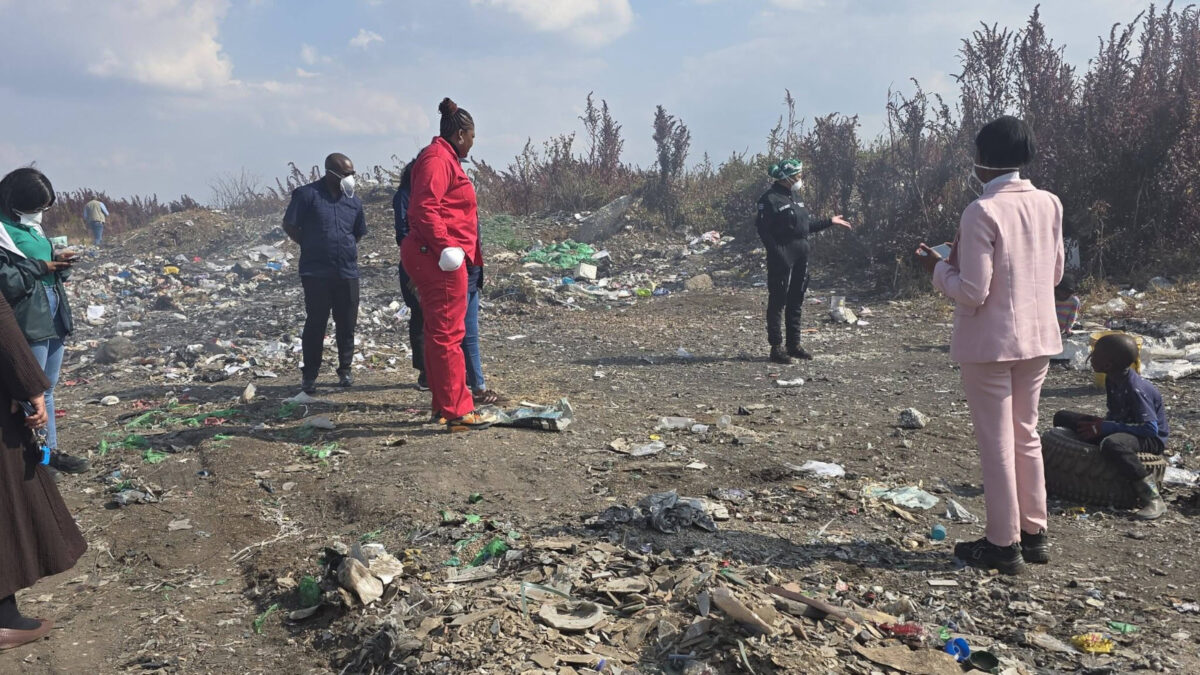
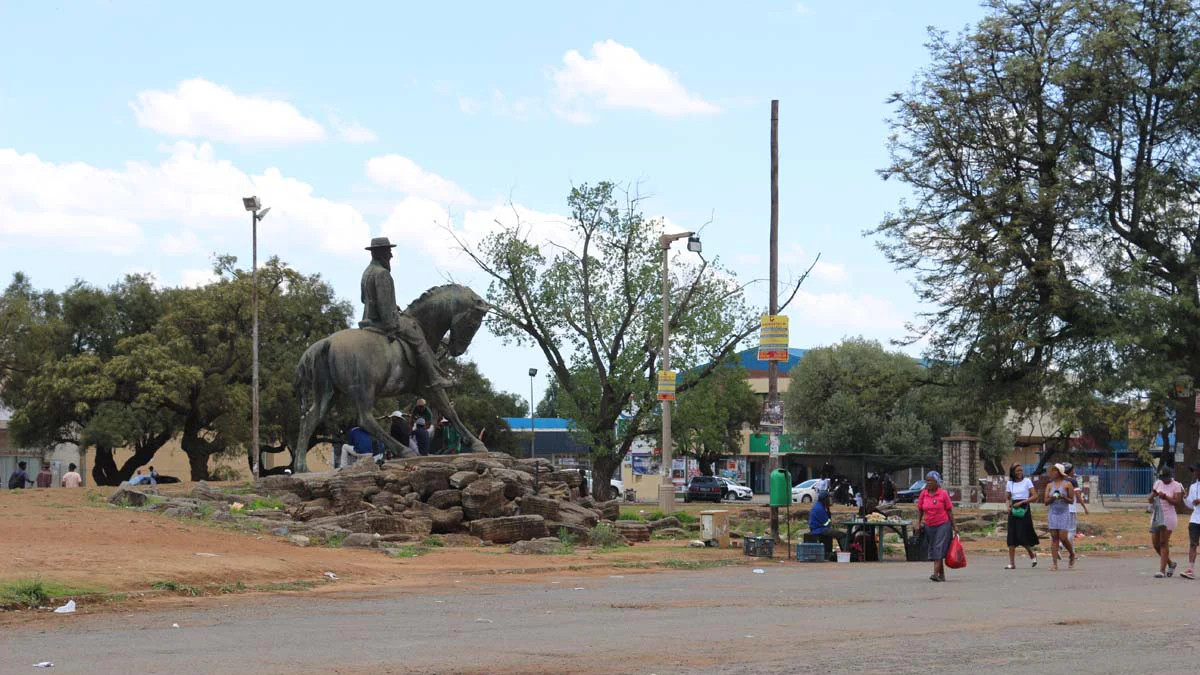
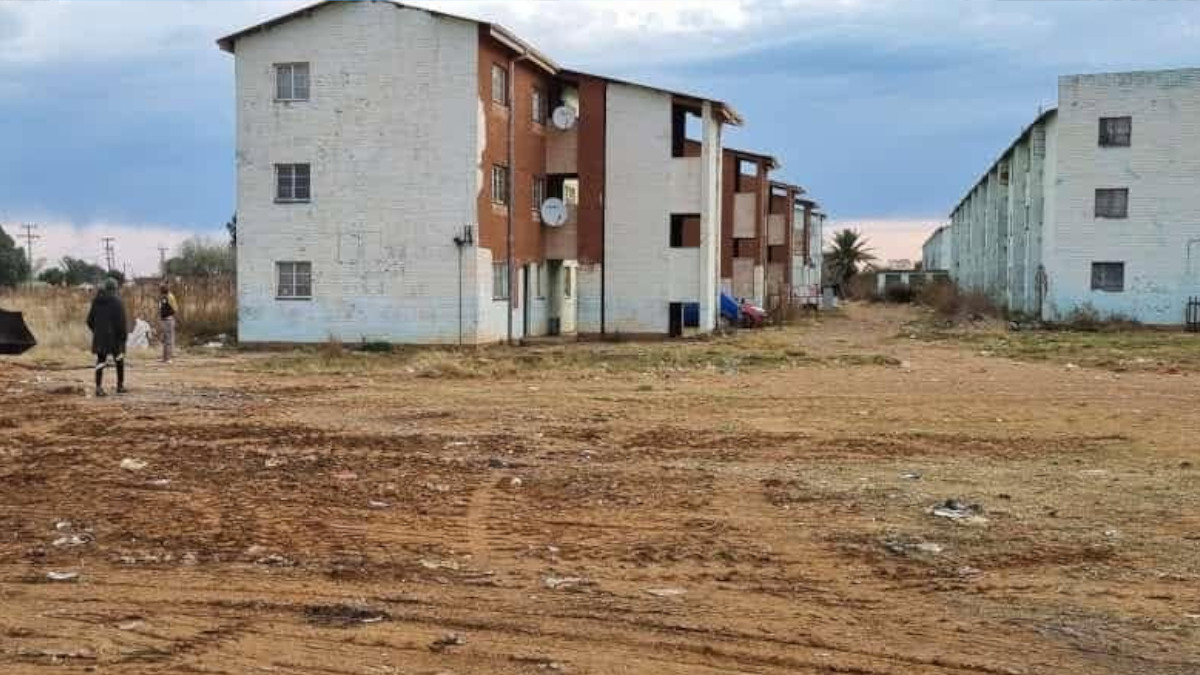
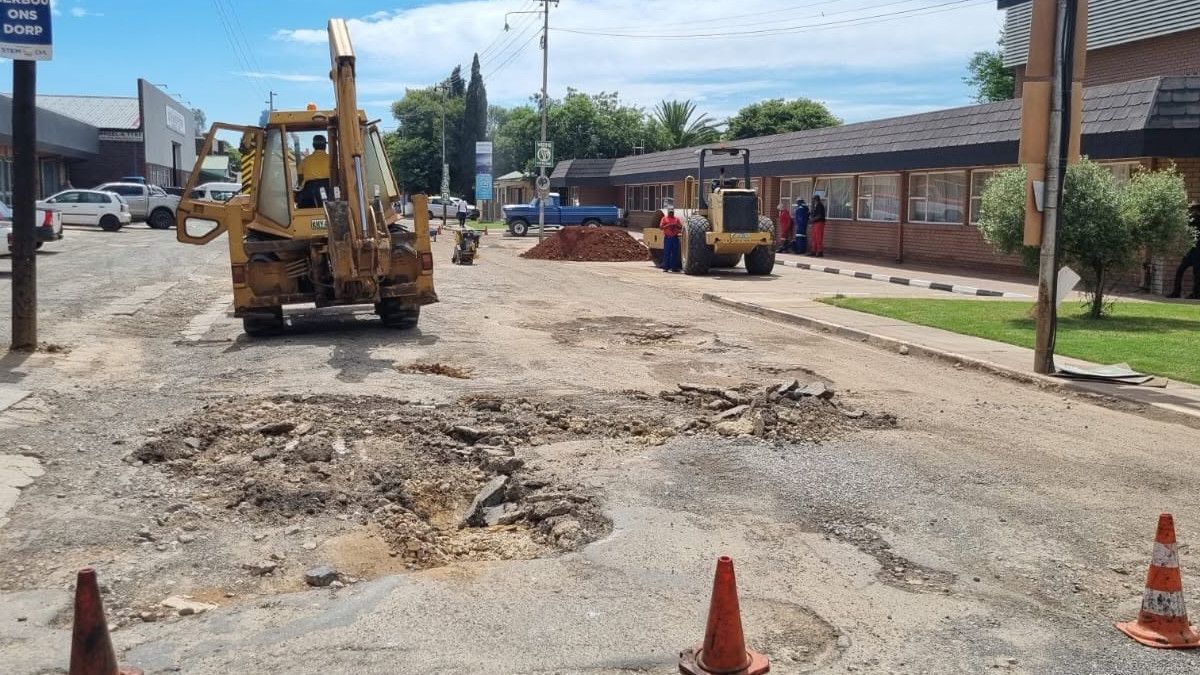
Photos of Lichtenburg




















 Loading ...