

South African crypto giant cutting 20% of jobs


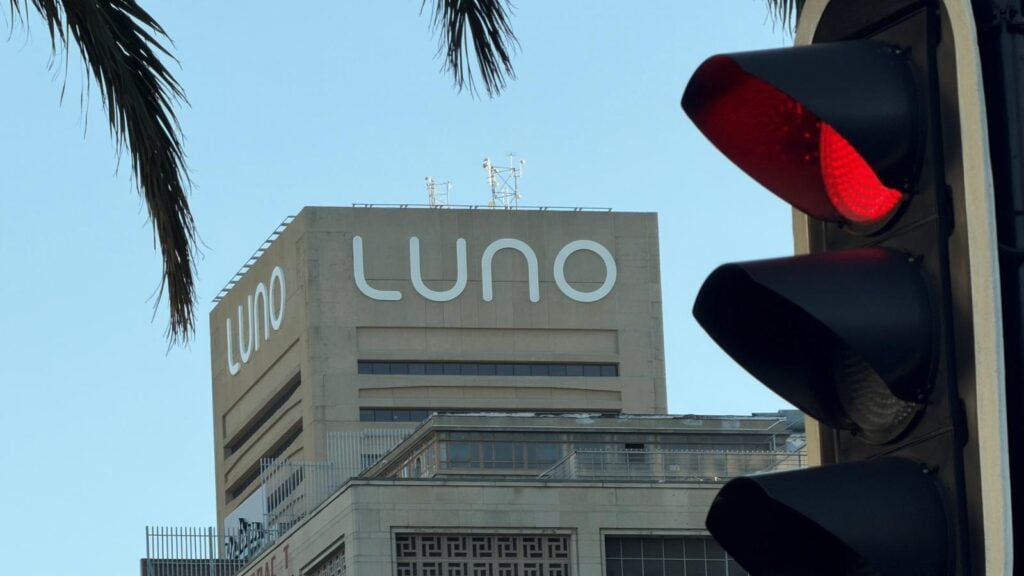
Luno, a cryptocurrency exchange owned by Digital Currency Group, is cutting about 20% of its staff globally as it restructures, Chief Executive Officer James Lanigan said.
The reorganisation will see the company scale its business-to-business unit, and trim costs in line with current market conditions, Lanigan said in response to questions, declining to elaborate on the exact number of employees affected.
Prices of Bitcoin, Ethereum, Solana, and other crypto tokens have fallen during the year, adding to the volatility in retail crypto trading.
“Luno has made material investments in automation and broader operational improvements over the last year and is continuing to integrate and develop tools that are rapidly changing the resource model required to run the business effectively,” Lanigan said.
“These factors mean that a leaner and adapted structure is both necessary and appropriate.”
The restructure will allow Luno — which is headquartered in London but started in South Africa and has operations in Asia — to expand its offering to institutional investors, build up core infrastructure and regulatory compliance, and put more into its retail-customer products.
The crypto retail exchange now has 16 million users across Africa and the Asia-Pacific region, and it’s opening up infrastructure to institutional partners such as Johannesburg-based Discovery Bank, said Lanigan.
The move will enable lenders, fintechs, telecommunications companies and others to offer crypto services under their own brands, while Luno provides the liquidity, wallet infrastructure and compliance capabilities linked to the crypto offerings.
“We will be announcing more and new partners for this offering throughout the year,” he said.
The firm is also seeking to cement its position in providing non-US stablecoins across emerging markets, said Lanigan.
Luno is a founding participant in ZARU, a stablecoin backed by the South African rand that includes Sanlam, Lesaka Technologies, and EasyEquities as founding partners.
The company said it will ultimately replicate the model in other emerging markets where local-currency stablecoin infrastructure remains limited.
Lastly, Luno will use its institutional-settlement business to reduce the cost and complexity of moving money across borders using digital-asset rails, he said.
The restructuring reflects a broader shift across the crypto industry as exchanges seek more stable revenue streams from institutional clients, payments and financial infrastructure while retail trading activity remains volatile.


















 Loading ...