

Biggest change in over 50 years for one group of workers in South Africa


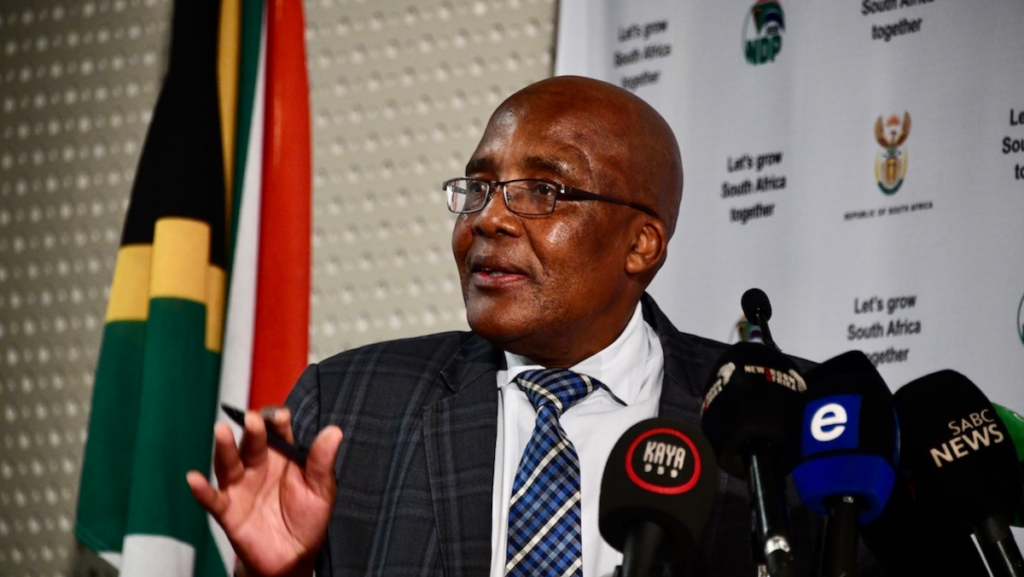
The Minister of Health, Pakishe Aaron Motsoaledi, has gazetted regulations to formally repeal the historic scope-of-practice regulations for physiotherapists, which have been in place since 1976.
The gazetted changes aim to update and formalise the legal definition of the profession by officially repealing the Regulations Defining the Scope of the Profession of Physiotherapy, which was published under Government Notice No. R2301 on December 3, 1976.
By abolishing the 1976 regulations, the Department of Health would eliminate the 50-year-old scope of practice, allowing the new 2026 Regulations to become the sole statutory standard once they are finalised.
The regulations were created based on recommendations from the Health Professions Council of South Africa (HPCSA) and the Professional Board for Physiotherapy, Podiatry, and Biokinetics.
Members of the public and interested parties may submit written comments or representations to the Director-General of Health within three months from the date of publication.
The 1976 regulations described physiotherapy as a field that supported medicine. This meant physiotherapists could work with referrals from doctors.
The 2026 regulations recognise physiotherapists as independent, autonomous practitioners who can assess patients, diagnose conditions, and refer patients to other health professionals without needing a doctor’s referral.
Instead of focusing on specific surgical and orthopaedic issues such as fractures or amputations, the 2026 regulations take a broader approach, encompassing five body systems.
These include neuromuscular, cardiovascular, respiratory, neurological, and integumentary (skin and wound care).
The new regulations also formally recognise advanced practices that have developed in recent years.
This includes manual therapy (joint mobilisation and manipulation), integumentary repair, airway clearance, and the prescription of devices, including prosthetics and orthotics.
The updated draft includes non-clinical roles, such as performing disability assessments, providing consultancy services, and writing medico-legal reports.
The new draft regulations

The Minister of Health has revised the regulations governing the scope of the physiotherapy profession for 2026. The following are the new acts proposed for the practice of physiotherapy in South Africa.
The new regulations allow physiotherapists to fulfil the following roles:
Assessment: Physiotherapists may undertake a comprehensive assessment of a patient or group to gather relevant information using appropriate techniques and procedures.
Diagnosis and referral: Physiotherapists may undertake additional appropriate investigations or refer patients to other health practitioners where necessary, and, through a process of clinical reasoning, formulate a diagnosis or hypothesis.
Patient-centred intervention plan: Physiotherapists may collaboratively develop and implement a plan, which may include:
- Therapeutic exercise
- Functional rehabilitation in self-care and home management
- Functional rehabilitation for work, community, and leisure activities
- Manual therapy techniques (including mobilisation and manipulation)
- Prescription and application of devices and equipment (assistive, adaptive, orthotic, protective, supportive, and prosthetic devices)
- Airway clearance techniques
- Integumentary repair and protection techniques
- Electrotherapeutic modalities
- Physical agents and mechanical modalities
- Patient and caregiver education and counselling
Monitoring: Physiotherapists may use appropriate monitoring procedures
Empowerment: Physiotherapists may make recommendations for self-management and empowerment.
Consultancy: Physiotherapists may also provide consultancy services.
Assessments and reports: Physiotherapists may provide disability and medico-legal assessments and write reports.
Pain management: Physiotherapists may manage people with acute, chronic, and persistent pain.
System dysfunction: Physiotherapists may manage people presenting with dysfunction of the neuro-musculoskeletal, cardiovascular, respiratory, neurological, and integumentary systems, from acute presentation to final-stage rehabilitation.
Movement optimisation: Physiotherapists may enhance the quality of life of individuals and communities by restoring and optimising purposeful, precise, and efficient human movement systems.


















 Loading ...