

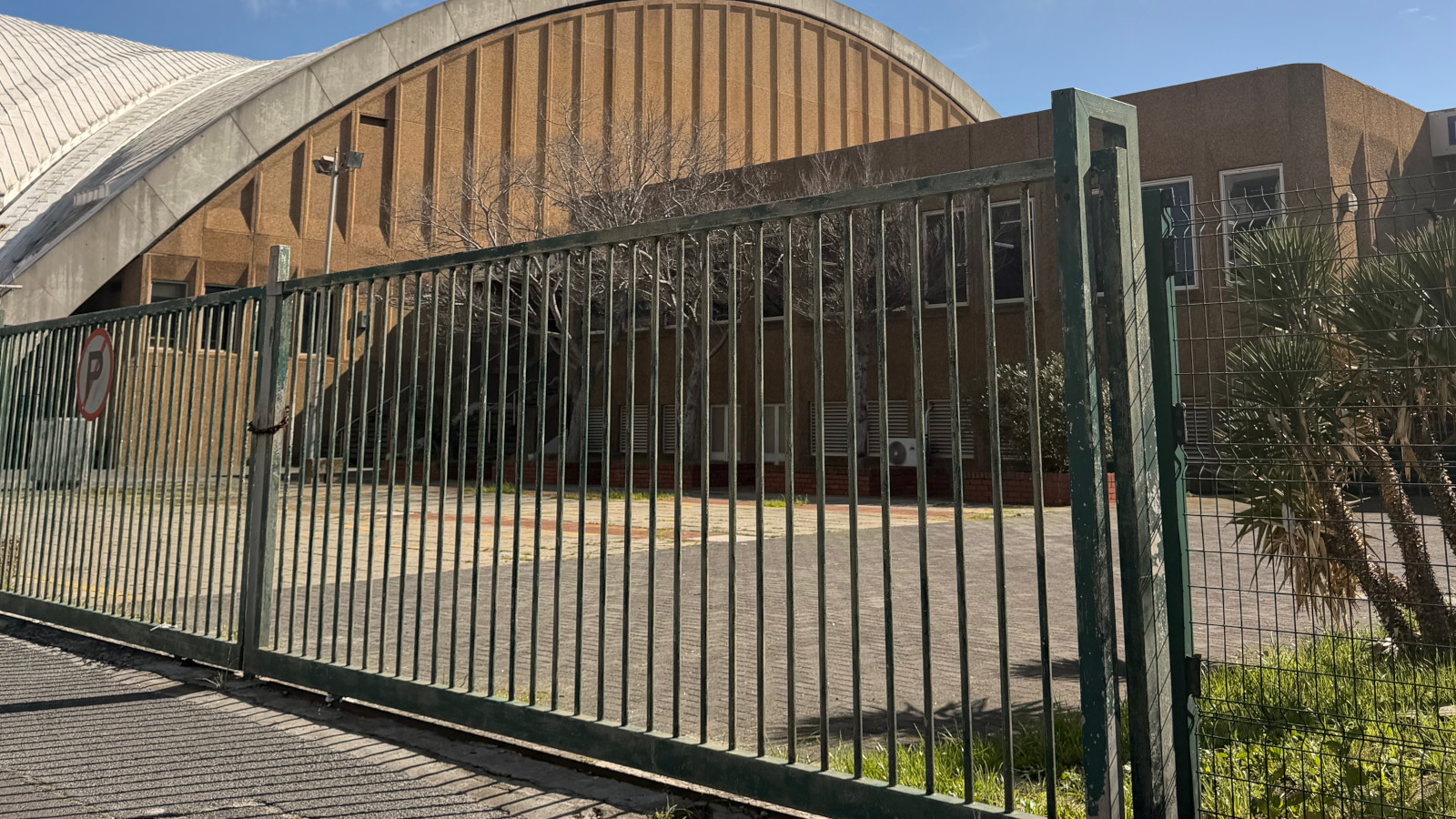
Iconic 49-year-old building in South Africa’s best-run city sitting empty after R135 million deal


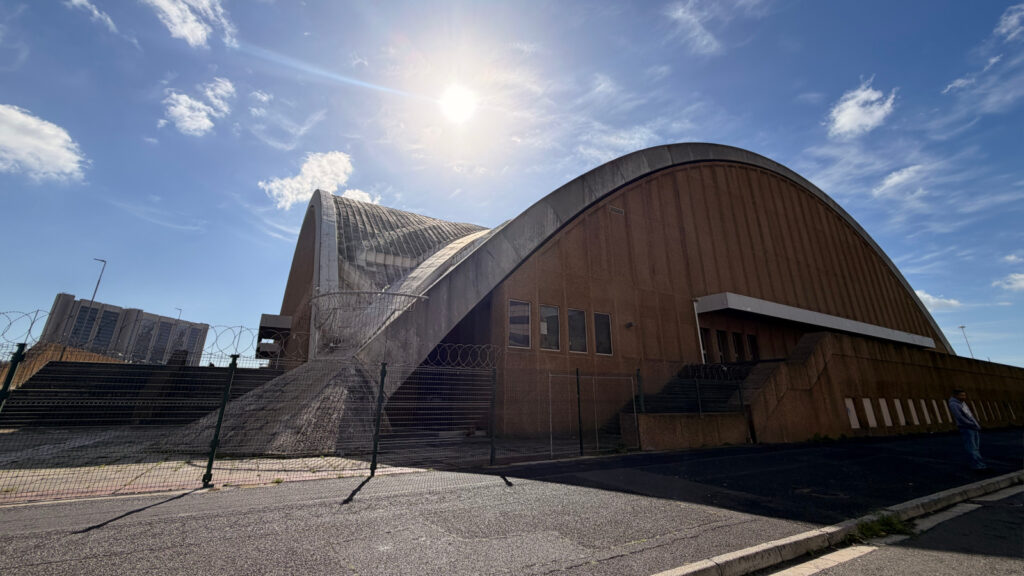
The City of Cape Town is in hot water over its plans for the Good Hope Centre after a R135 million bid for the iconic 49-year-old building.
The deal received backlash following a recent Constitutional Court judgment that raised questions about the use of well-located public land.
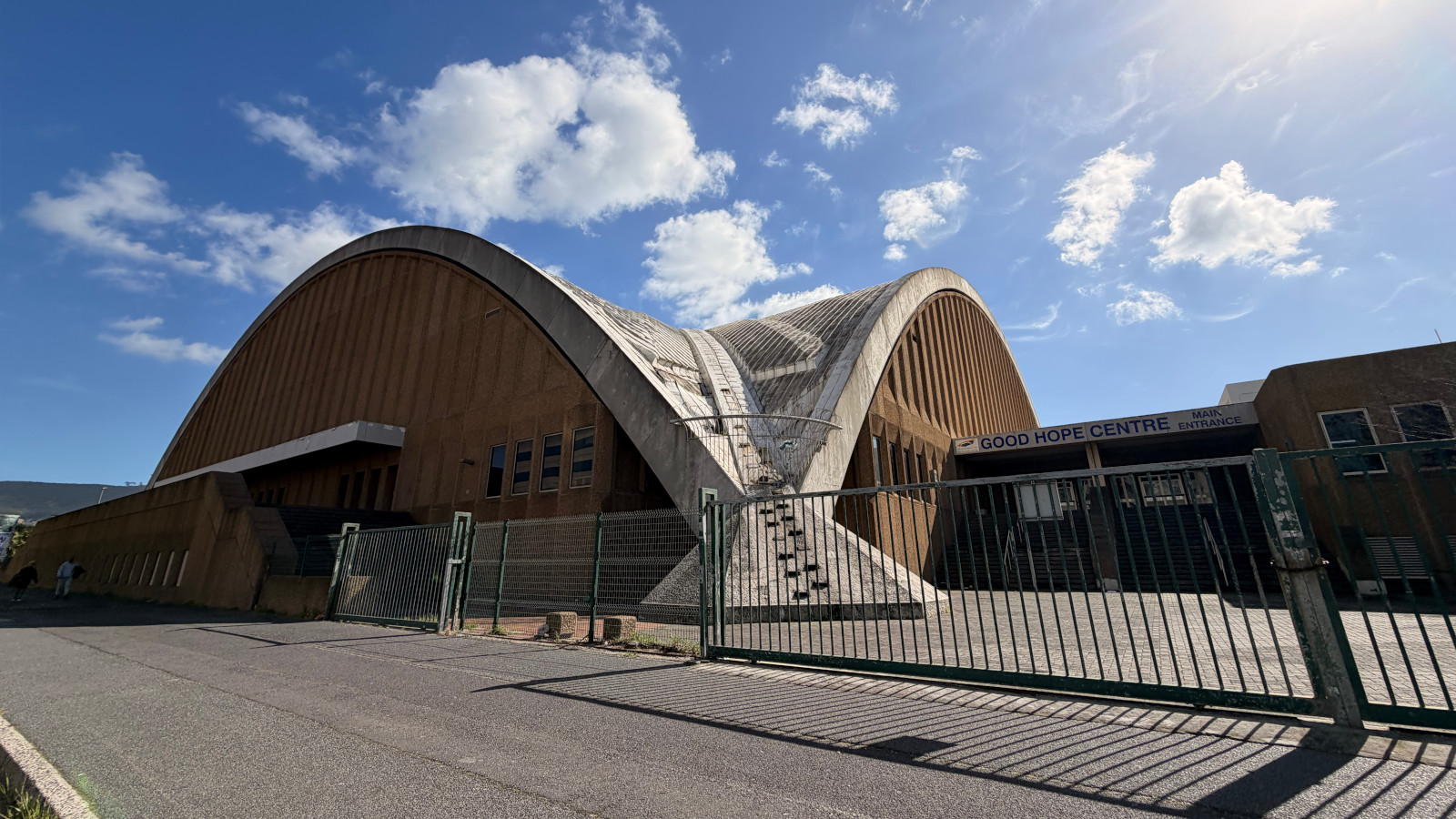
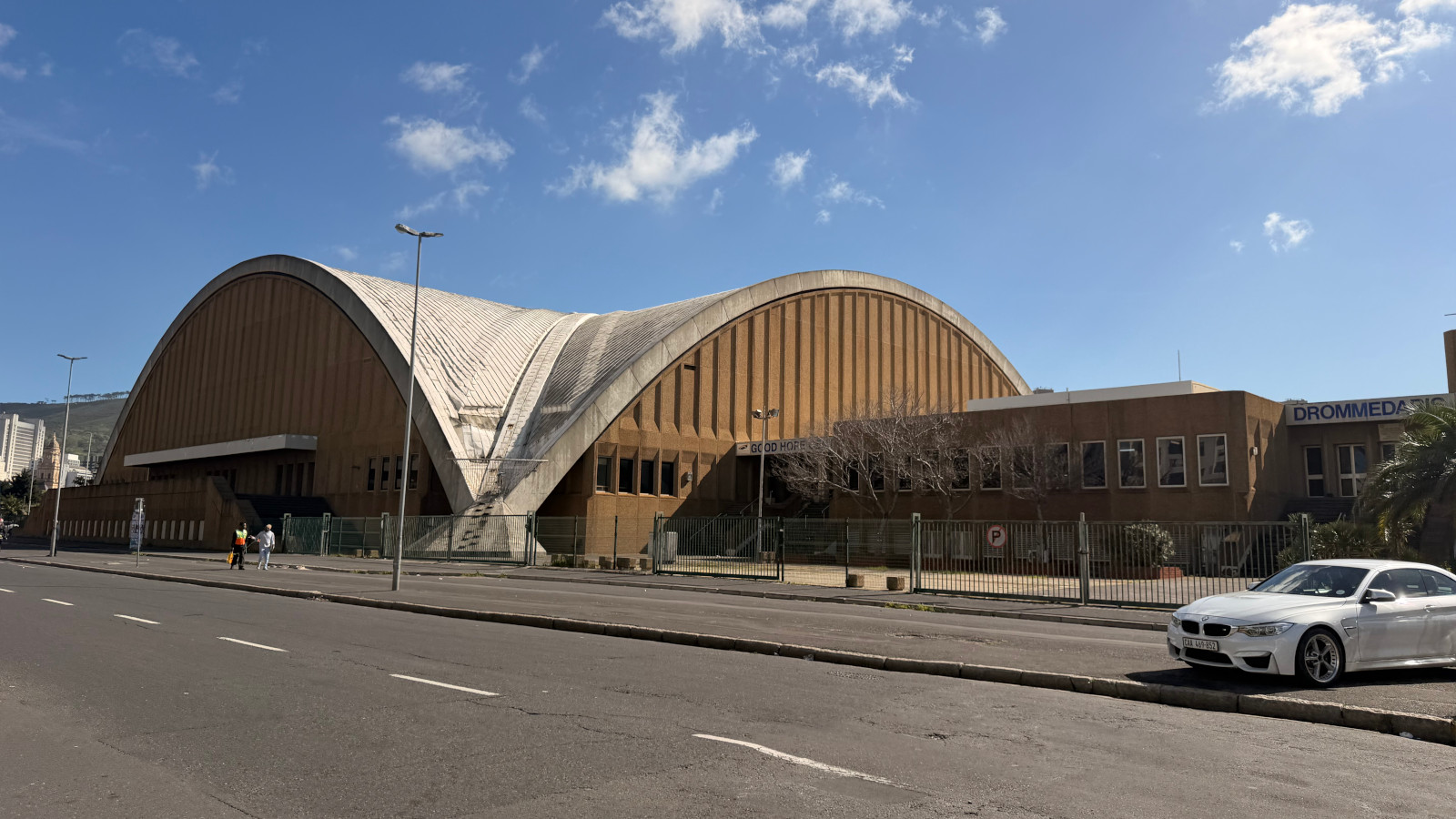
The Good Hope Centre opened in 1977 and was designed by Italian architect Pier Luigi Nervi, whose work was known for its innovative use of concrete.
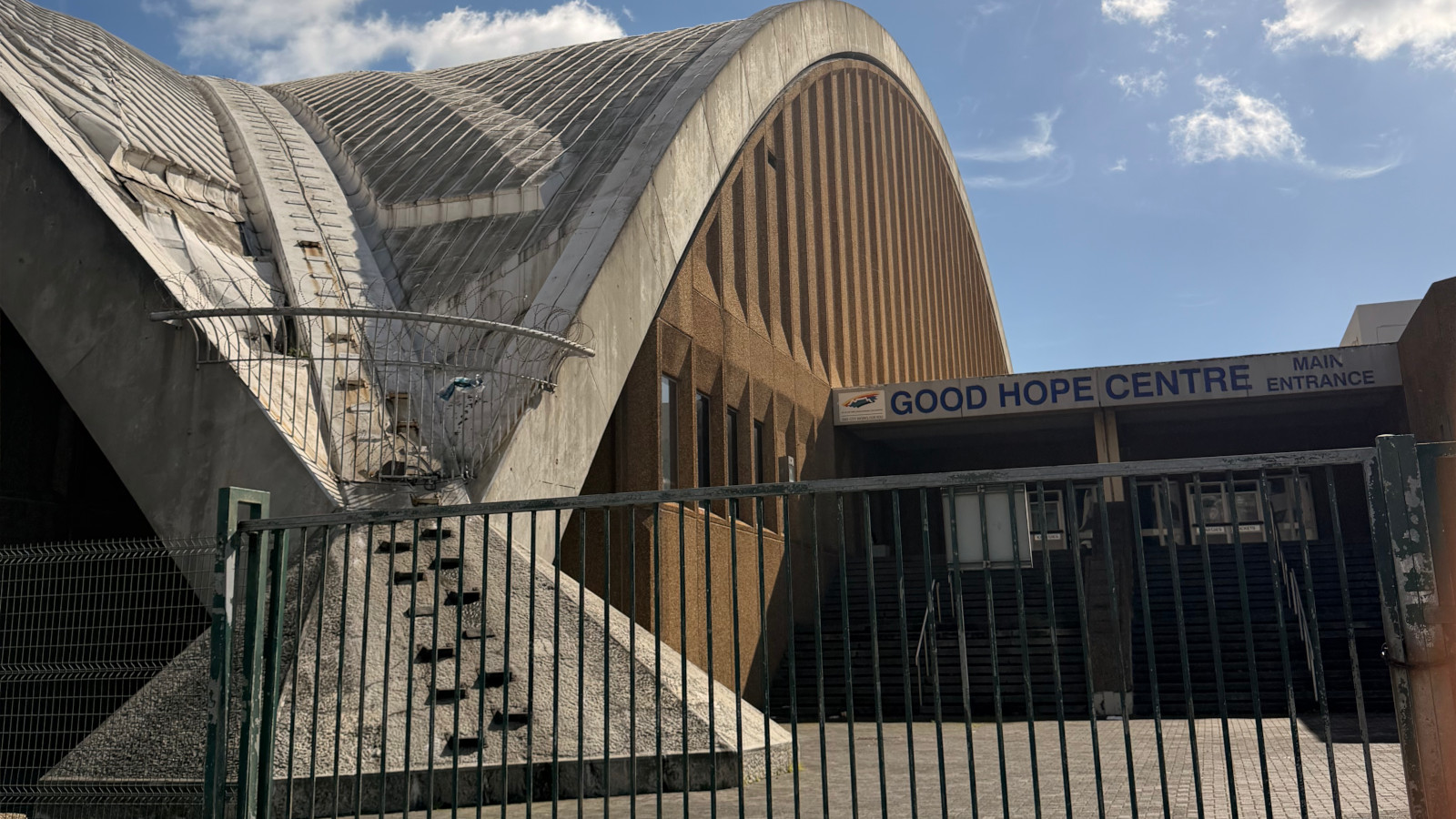
The exhibition hall was built around a massive precast concrete dome that, at the time, was regarded as a world-record engineering achievement, spanning an entire city block.
The building also gained significance during apartheid because of its role as a shared public space. Classified as a theatre, it hosted multi-racial sporting events, concerts, and cultural gatherings at a time when segregation laws restricted access to many public venues.
This made the centre an important space for communities that were otherwise separated by apartheid’s laws and policies.
Its prominence declined after the opening of the Cape Town International Convention Centre in 2003, which attracted many of the large exhibitions and trade shows previously held at the Good Hope Centre.
Over the years, it was used for purposes including a temporary film studio and a shelter for homeless people.
The City eventually decided to release the property for redevelopment, arguing that the underused municipal asset was expensive to maintain.
Its preferred vision was for a private mixed-use precinct incorporating residential, retail, office and entertainment space, with the aim of attracting investment and creating jobs.
The property is subject to Grade 3B heritage protection, meaning any redevelopment must preserve its important heritage features, including Nervi’s distinctive concrete dome.
However, the auction produced a result that differed substantially from the City’s preferred concept.
The highest bid of R135 million came from Pastor John Anosike, the Nigerian-born leader of Spirit Revelation Ecclesia.
Anosike planned to use the 25,000-square-metre facility as a large place of worship and church community centre.
The bid subsequently failed to proceed after Anosike did not pay the R135 million purchase price. Cape Town mayor Geordin Hill-Lewis said the City was engaging with the second-highest bidder.
Sitting in limbo
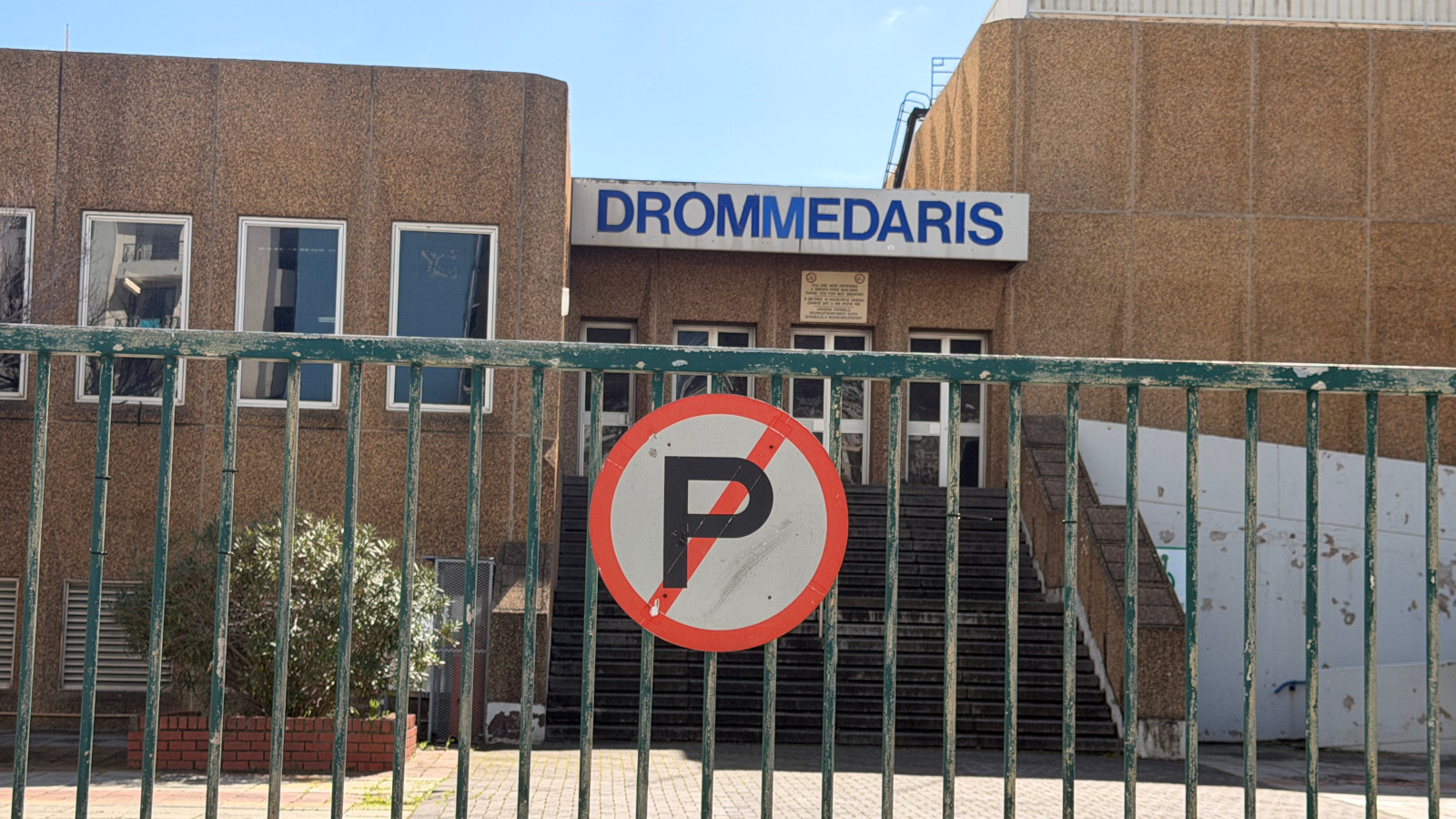
The City said it was considering the findings of an external due diligence process into the bidding process before deciding how to proceed.
“A full report will be served before the relevant Council structure in due course. The City is unable to comment further on bidders or process details while this is under consideration,” it said.
The failed transaction has now intensified calls from housing activists for the city to reconsider the sale altogether and explore the possibility of using the site for affordable housing.
The dispute comes shortly after a significant Constitutional Court judgment concerning the former Tafelberg School site in Sea Point.
On 2 July, the court found the 2015 sale of the public property unlawful and directed the city and Western Cape government to report to the High Court on plans to provide affordable and social housing in well-located areas.
The court found that location is central to housing policy and that the city has a constitutional responsibility to address patterns of exclusion created by apartheid spatial planning.
“Location is not a peripheral consideration in housing policy. It is integral to the reasonableness inquiry,” Justice Nonkosi Mhlantla said.
GOOD secretary-general and City mayoral candidate Brett Herron said the judgment should influence the Good Hope Centre decision.
“If the City ignores this judgment, it risks being rapped over the knuckles again,” Herron said.
The Tafelberg case was brought by Ndifuna Ukwazi and Reclaim the City after the property was declared surplus and sold to a private school.
The litigation ultimately resulted in the sale being cancelled, while the Western Cape government has since indicated that affordable housing will be developed on the site.
Herron argued that the same constitutional principles should now be considered before the Good Hope Centre is sold.
However, the city has yet to make a final decision on the outcome of the failed R135 million transaction.
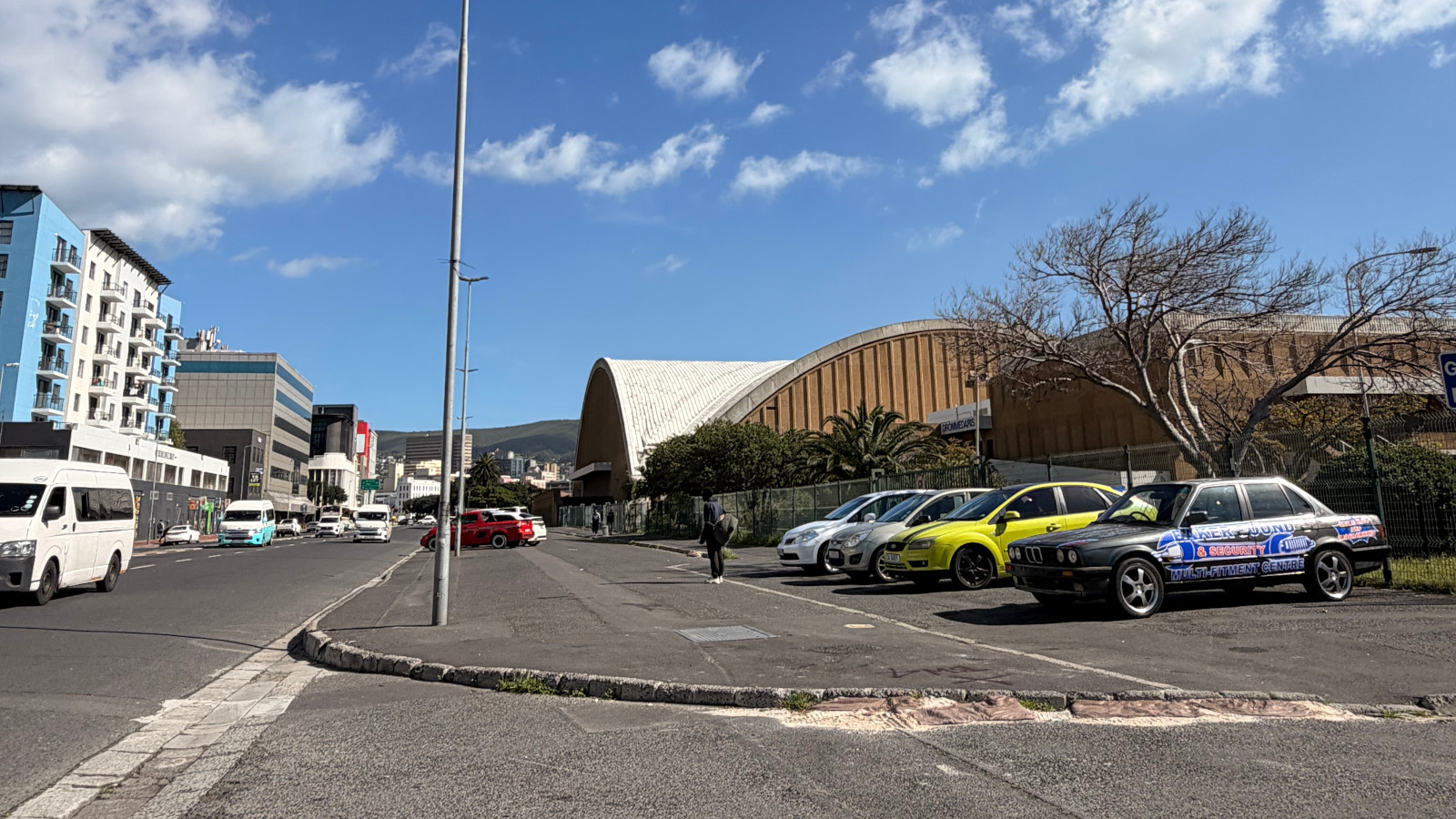
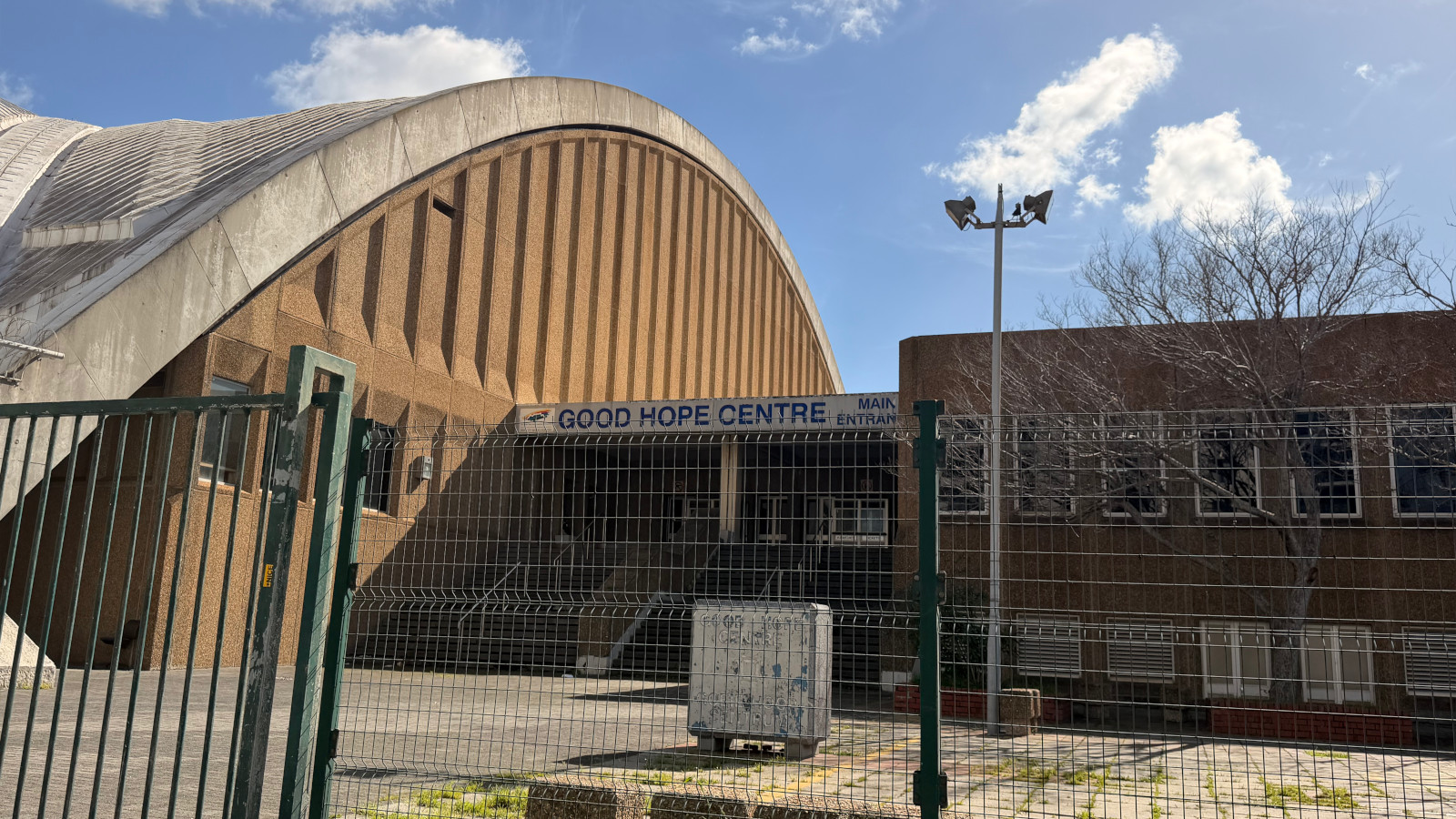
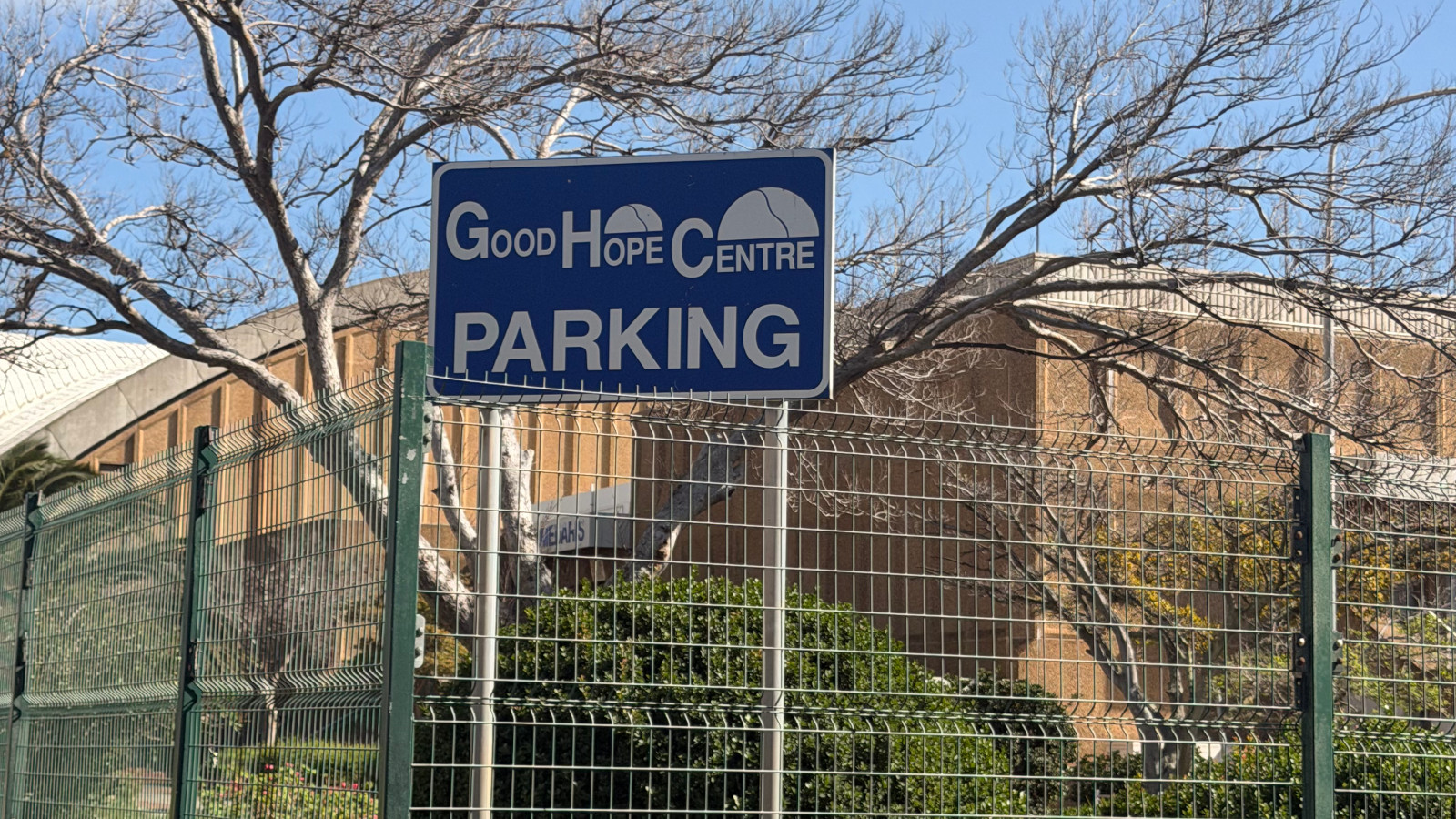
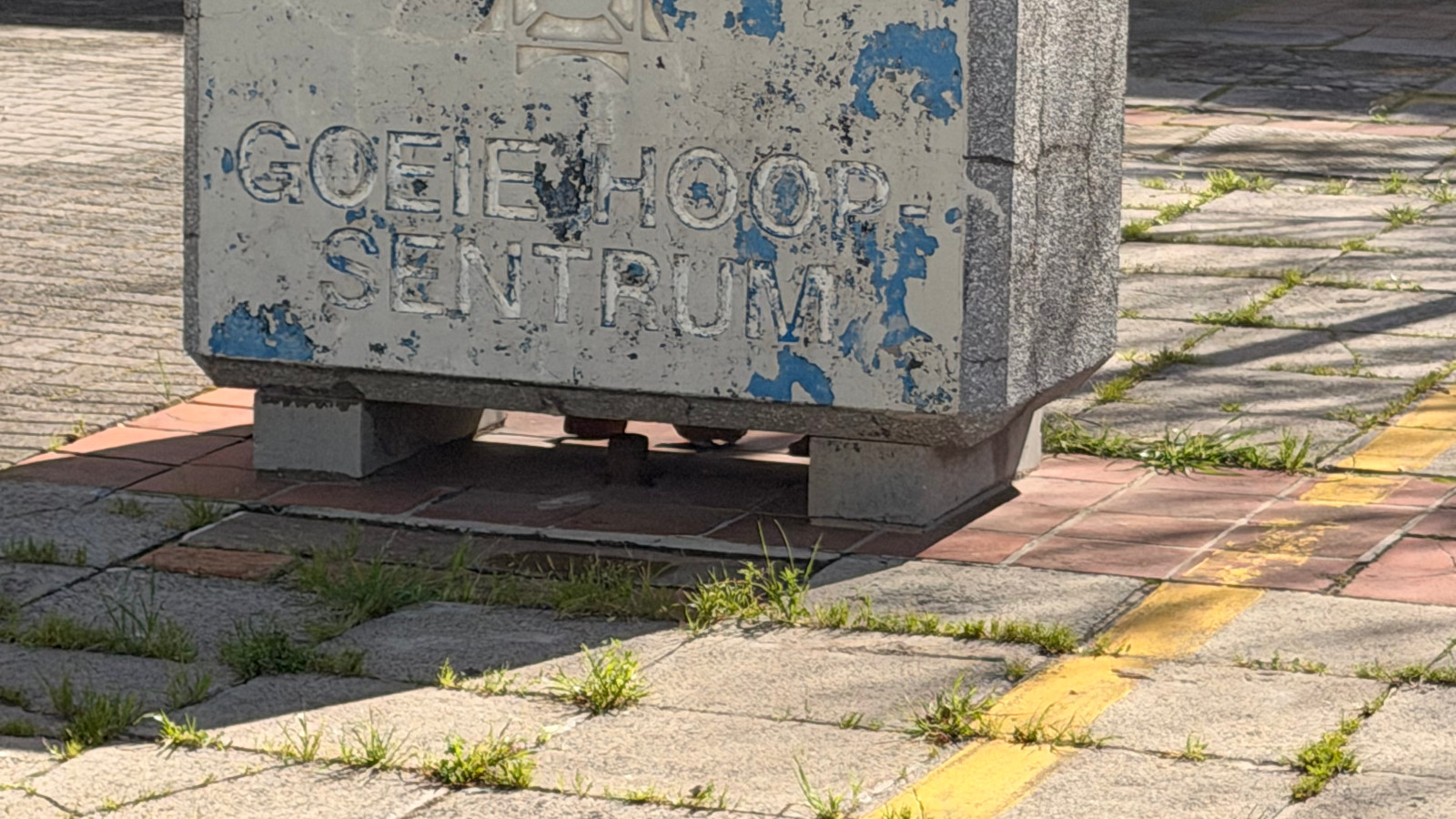
Pictures of the Good Hope Centre












 Loading ...