

New conspiracy, instigation and incitement laws for South Africa are coming


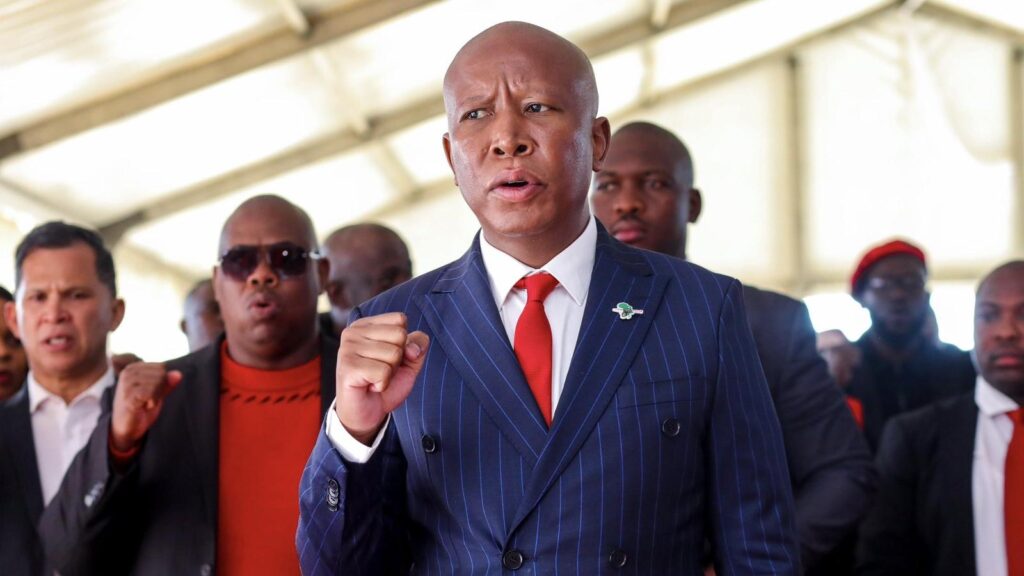
New laws are set to be implemented in South Africa to replace the Riotous Assemblies Act, which was deemed unconstitutional.
The Conspiracy, Instigation, and Incitement to Commit Offence Bill is set to be introduced in the National Assembly by the Minister of Justice and Constitutional Development.
The bill outlines the rules and repercussions for inciting or conspiring with another person to commit a “serious offence”.
The bill seeks to repeal the Riotous Assemblies Act of 1956, which was intended to address riots and the conduct or publications which could ultimately lead to riotous acts.
The Constitutional Court ruled that many parts of this act were a product of the apartheid era, and largely objected to the act being too broad.
Subsection 18(2) of the act stated a person who “incites, instigates, commands, or procures any other person to commit a common law offence or a statutory offence, shall be guilty of an offence and liable to the punishment to which a person convicted of actually committing that offence would be liable.”
The Constitutional Court opposed the Act because it made incitement to commit even “minor” crimes an offence, showing that it lacked specificity.
The Court ruled that South Africa’s Parliament had to amend the act within 24 months, and that the words “any offence” should be replaced with “any serious offence” in the interim.
The Riotous Assemblies Act itself was not declared unconstitutional by the Court – rather, specific wording within it was opposed.
Despite the ruling that the words “serious offences” should be used in the act, the Constitutional Court did not clarify the phrase.
This has led to the introduction of the Conspiracy, Instigation, and Incitement to Commit Offence Bill, which seeks to define “serious offences”.
The bill also seeks to make conspiring with another person to commit an offence, and inciting another person to commit an offence, serious offences.
The Riotous Assemblies Act

The Riotous Assemblies Act has a tumultuous history in South Africa and was largely used by the Apartheid government to suppress political demonstrations.
The Act initially provided powers to break up public gatherings that could incite violence and control explosives.
Section 16 of the Act relating to explosives was repealed in 2003 following the introduction of the Explosives Act.
In the 1950s, the act was used in conjunction with the Suppression of Communism Act to justify the arrest and prosecution of several anti-apartheid figures, including Nelson Mandela and Albert Luthuli.
The act was also used by the apartheid government to issue nationwide bans on outdoor political demonstrations.
In the post-apartheid era, the Riotous Assemblies Act was notably referenced in State v. Julius Malema, for his calls for land expropriation.
Malema was charged under section 18(2) of the Act for a speech he gave, encouraging people to occupy vacant land.
This case ultimately led the Economic Freedom Fighters (EFF) to challenge the Act, arguing that it violated free speech.
In 2020, the Constitutional Court ruled in favour of this argument, saying the Riotous Assemblies Act was a piece of apartheid era legislation and that it must be amended.
The ruling declared that section 18(2) of the Act should apply only to “serious offences”, which has led to the introduction of the Conspiracy, Instigation, and Incitement to Commit Offence Bill.















 Loading ...