

The decision that cost South Africa R23 billion in GDP and 20,000 jobs


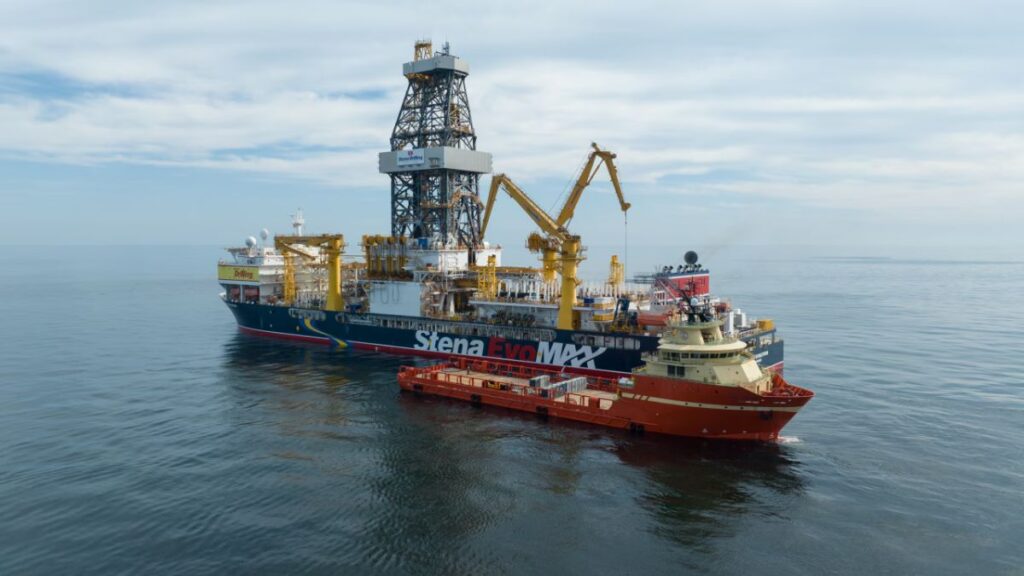
The Constitutional Court’s recent decision to bar Shell from offshore oil exploration on the Wild Coast could cost the country R23 billion in GDP per year, according to research by the Energeo Alliance.
On 14 August 2026, South Africa’s Constitutional Court (ConCourt) ruled against the fuel giant Shell in its bid to conduct oil exploration along the Wild Coast.
The decision followed a lengthy court battle, with the ConCourt saying that Shell failed to adequately consult local communities.
The decision has been welcomed by several local and international environmental groups, but industry players have been alarmed.
Energeo Alliance, a global trade alliance for the energy exploration industry, released a study in September 2025 that found offshore oil exploration could contribute up to R23 billion to South Africa’s economy per year.
In addition, the study estimated that oil exploration and subsequent operations could create approximately 20,000 jobs for the country.
This could be seen as a welcome boost to South Africa’s economy, which has struggled with stagnating growth in recent years, with GDP growth at 1.1% in 2025.
The Common Sense estimated the potential impact of South Africa capitalising on its natural oil reserves on its GDP and unemployment rate.
Its investigation found that, if South Africa were to establish infrastructure and ancillary industries around its oil reserves, the country could raise its GDP growth to 3.1% by 2046.
This GDP growth could also potentially peak above 5% in the next five years and remain consistently higher than the country’s current economic growth trajectory.
The sustained economic growth would also translate to a lower unemployment rate, which could drop to roughly 20% by 2045.
Currently, the country’s unemployment rate is 36.6%, up 0.9 percentage points from the first quarter of 2026—one of the highest in the world.
A win for environmental groups
The ConCourt’s decision to bar Shell from offshore exploration was taken as a major victory by several environmental groups.
Greenpeace, an international environmental rights advocacy group, said the ruling was a “decisive victory for Wild Coast communities, ocean justice and environmental rights”.
Greenpeace Africa’s governance and legal advisor, Eugene Perumal, said, “This ruling vindicates the affected grassroots communities of the Wild Coast, civil society organisations, and our legal representatives who fought tirelessly together.”
Other environmentalists said the decision was a key step in protecting the rights of local communities against large corporations.
Natural Justice hub director, Delme Cupido, said, “The court affirmed that the right to public participation is not just about following a procedure and ticking boxes, but rather that it is about placing the dignity of our people at the centre of developmental decisions that will affect them.”
Activist groups commonly oppose offshore oil exploration due to its negative environmental impact.
This can occur through the physical impact of infrastructure installation, as well as the discharge of oil and chemicals generated by operations.
The noise from seismic surveys and the light emitted by exploration infrastructure can also negatively impact oceanic life and habitats.
This damage can have a ripple effect on coastal communities, which often rely on fishing and related activities for their local economies.
Minister of Mineral and Petroleum Resources, Gwede Mantashe, has pushed back against environmental groups, believing that South Africa needs to exploit its natural oil resources.
“One of the biggest challenges facing the development of our petroleum sector remains the persistent opposition from environmental lobby groups who continue to block every oil and gas development initiative in our country,” he said in a speech in March 2026.
“The sustainable long-term solution to our challenges lies in domestic production. This can only be achieved through the rigorous exploration and responsible exploitation of our own petroleum resources.”












 Loading ...