

Public Afrikaans school outperforming most private schools in South Africa – with a principal holding a master’s degree in how to do it


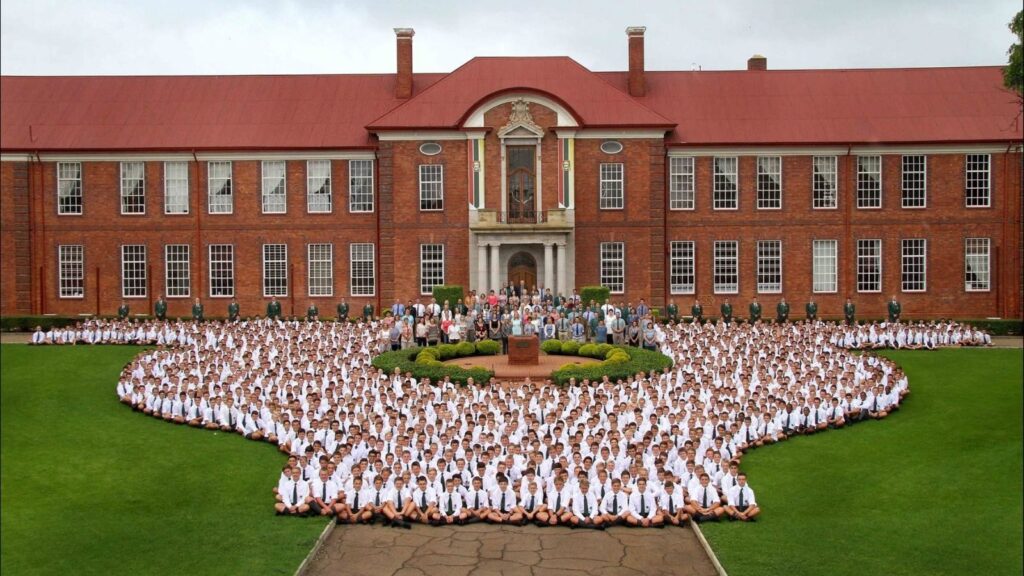
Afrikaanse Hoër Seunskool (Affies) in Pretoria is one of South Africa’s strongest-performing public schools, regularly matching and outperforming many private institutions despite operating as a government school.
Now, its principal has earned a master’s degree from the University of Pretoria on what makes schools succeed.
Affies achieved a 100% matric pass rate in 2025, with all 294 candidates passing. More than 96% of its matriculants achieved bachelor’s passes.
This means that they qualified for degree studies, with the school recording an average of 1.54 distinctions per candidate.
This puts Affies ahead of many private and independent schools, where the national average generally ranges between 0.8 and 1.2 distinctions per candidate.
While South Africa’s elite independent schools dominate the very top end of the rankings, Affies has demonstrated that a public school can compete with, and outperform, hundreds of private schools.
Founded on 28 January 1920 by Jan Joubert and Reverend Chris Neethling, Affies was controversial from its earliest days.
English was the dominant language of instruction at the time, and Afrikaans would only receive official recognition as a national language in 1925.
The decision to teach exclusively in Afrikaans led critics to label the school the “rebelleskool”, or rebel school.
Rapid growth soon forced the school to move several times. It eventually split into separate boys’ and girls’ schools in 1929.
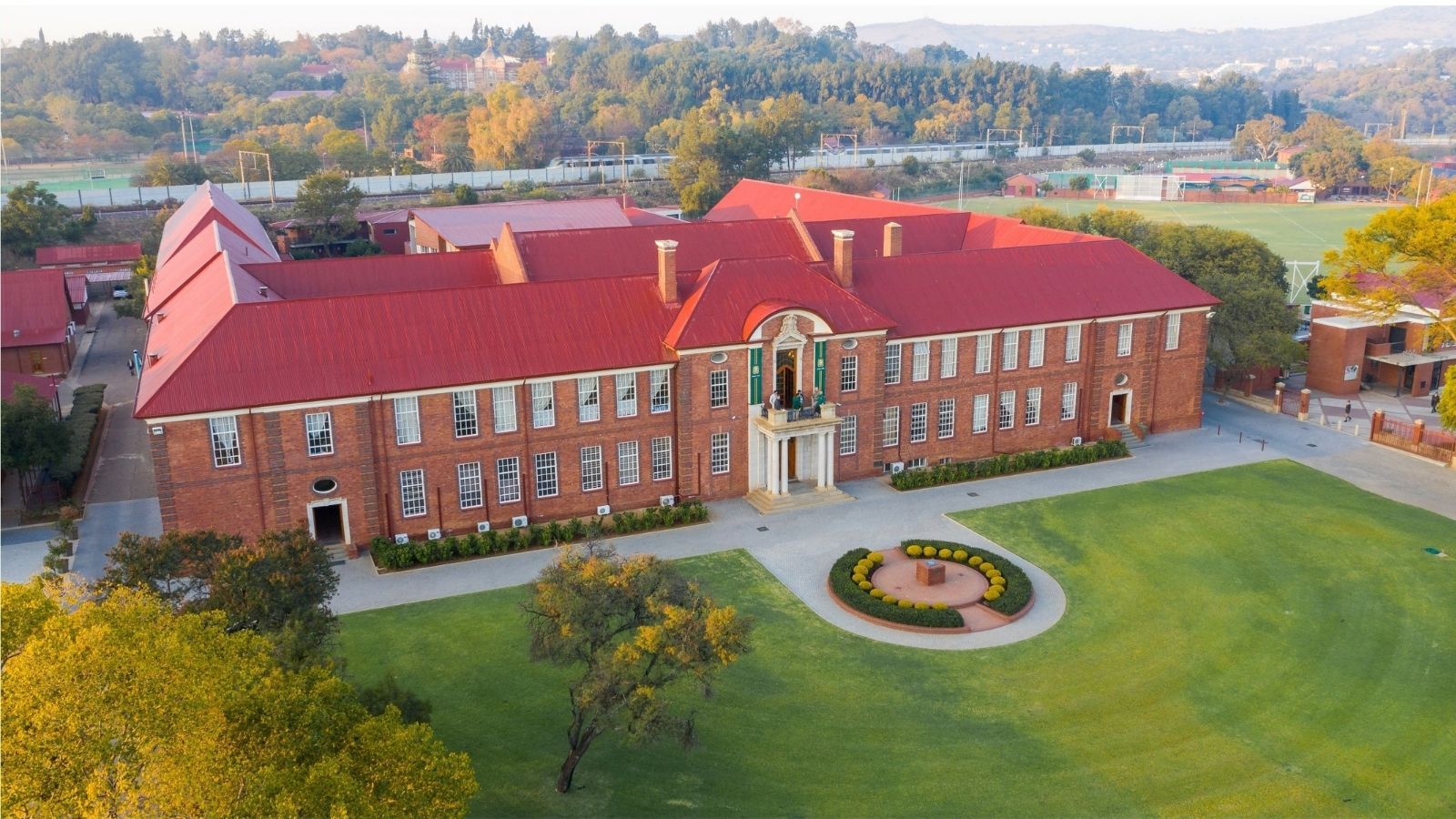
The boys’ school permanently occupied the Lynnwood Road campus and became the standalone Afrikaanse Hoër Seunskool, known today as Affies.
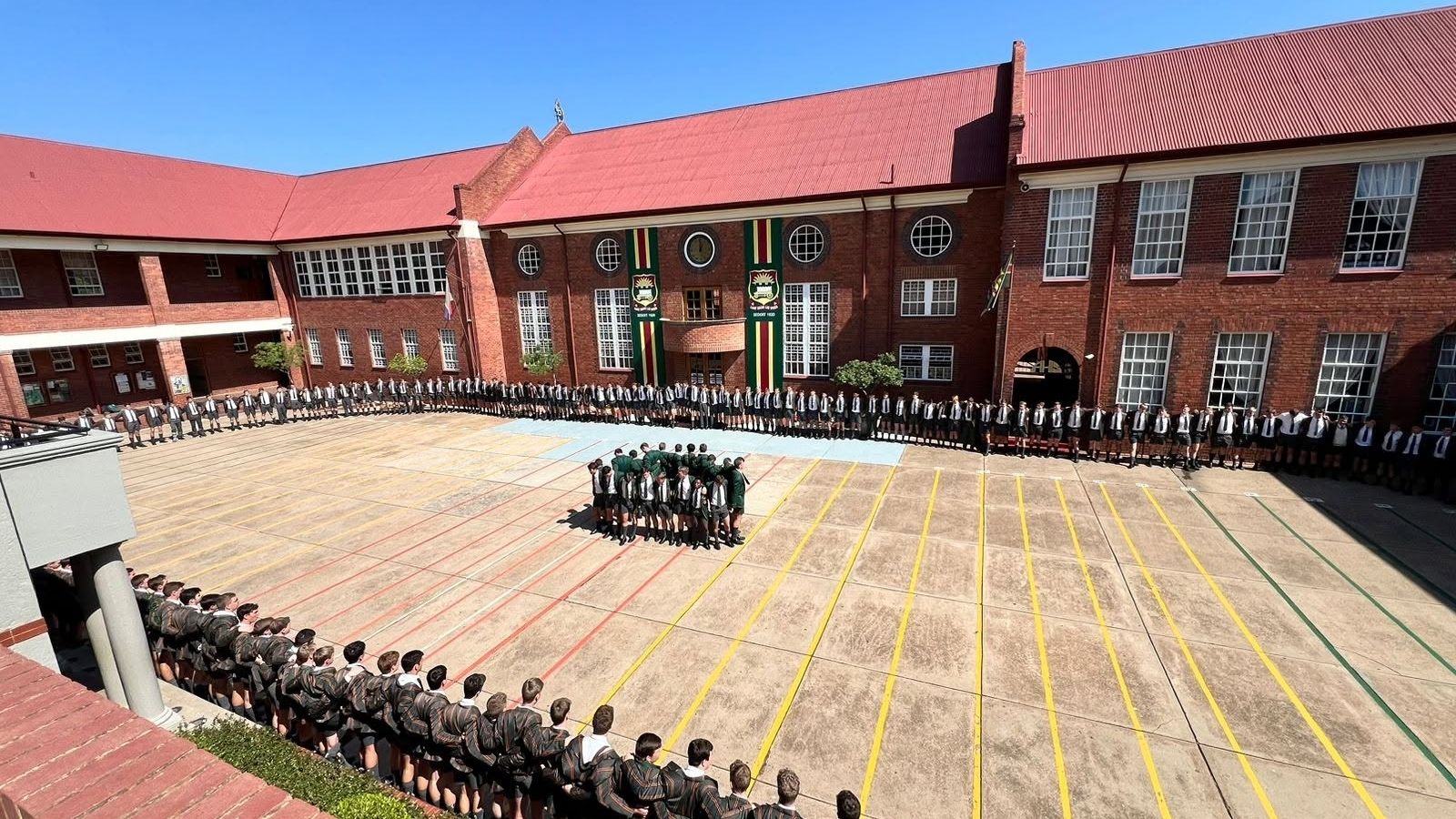
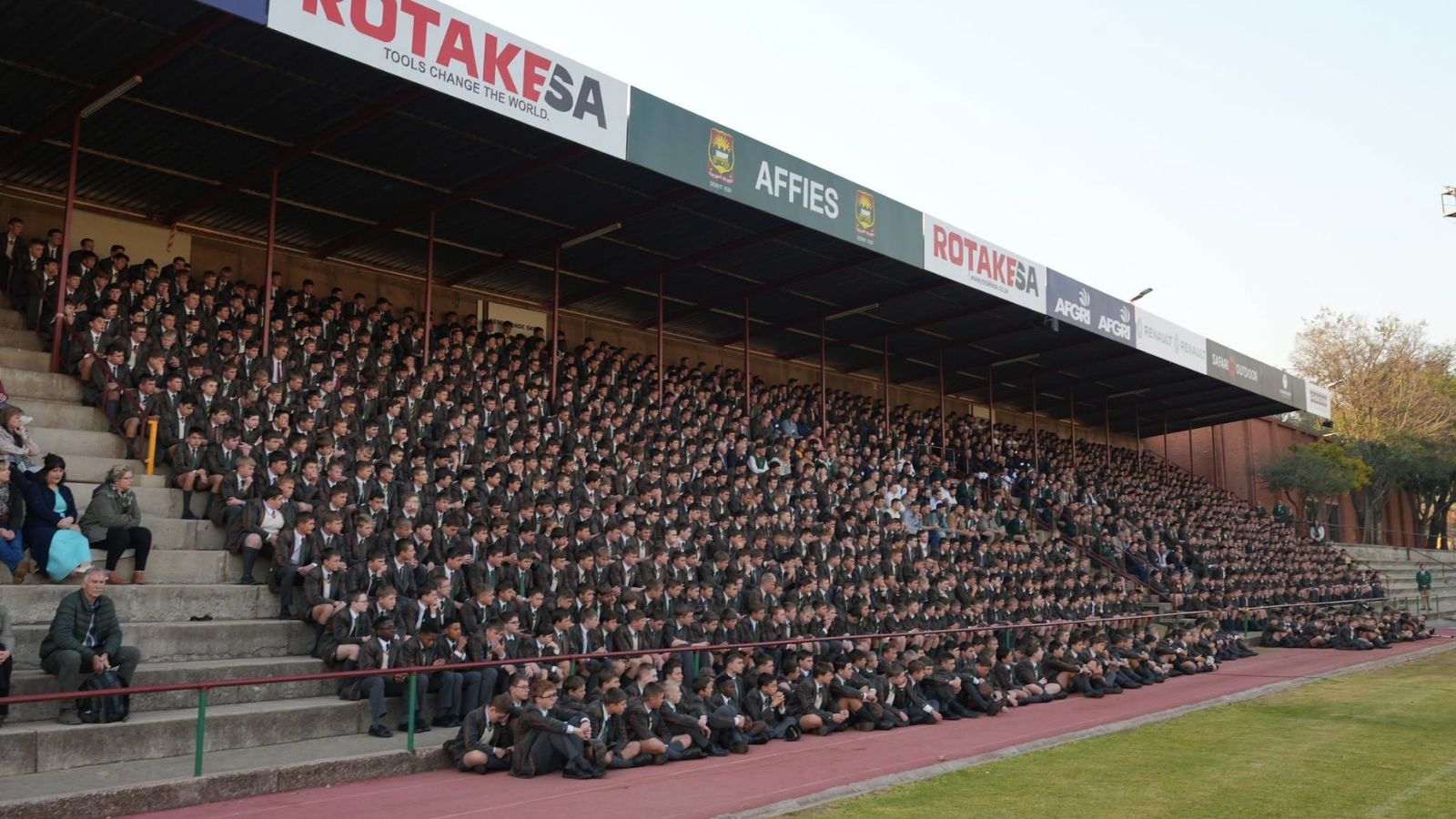
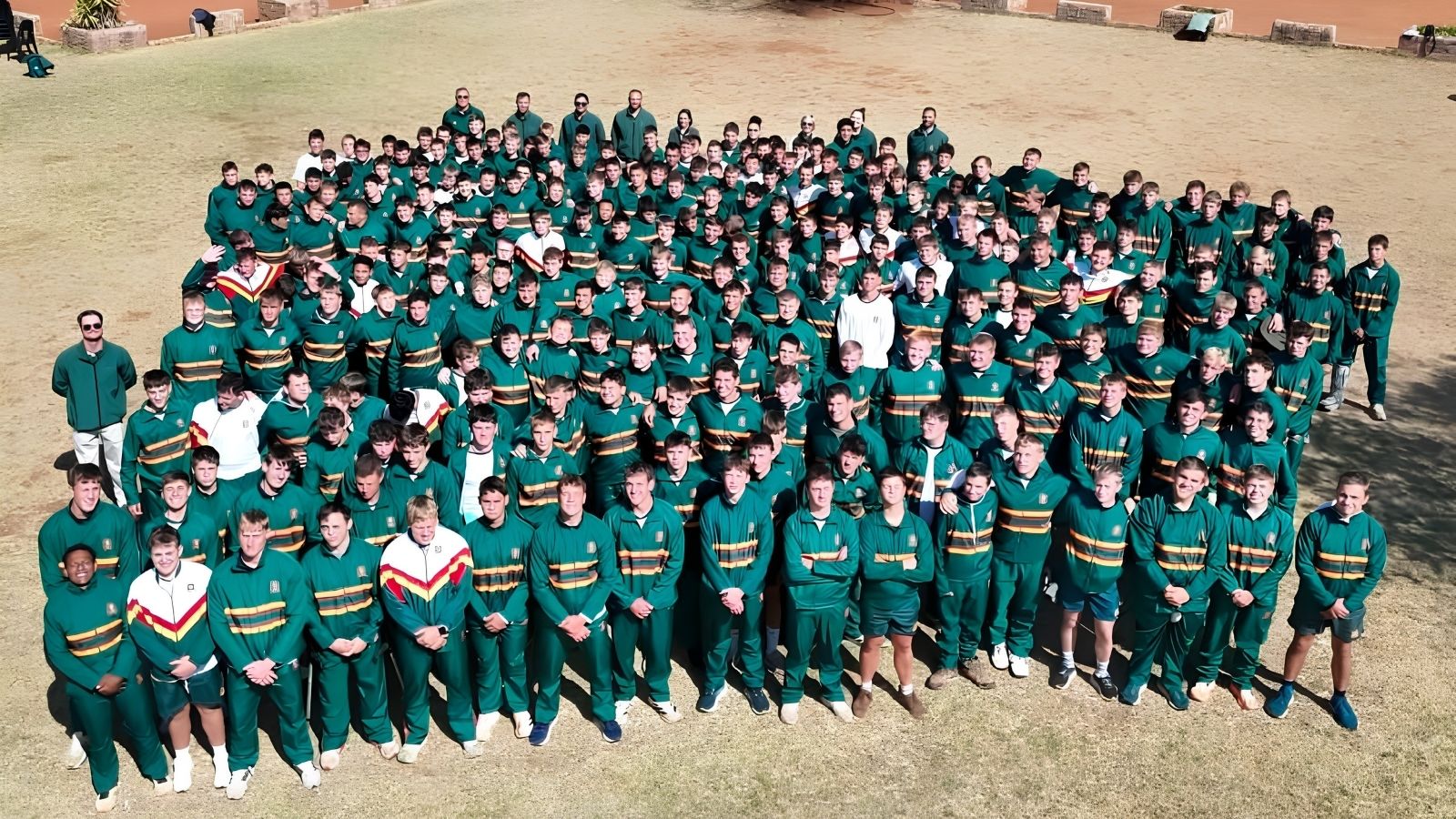
The school now has around 1,450 boys from Grades 8 to 12 and employs more than 85 educators.
As a Section 21 fee-paying public school, it has a significant responsibility for managing its finances and infrastructure.
Annual school fees are around R56,460, while hostel accommodation adds approximately R55,500 per year.
This funding model provides Affies with resources that many ordinary public schools lack, helping it maintain extensive academic, sporting and cultural facilities.
The principal with a master’s degree in success
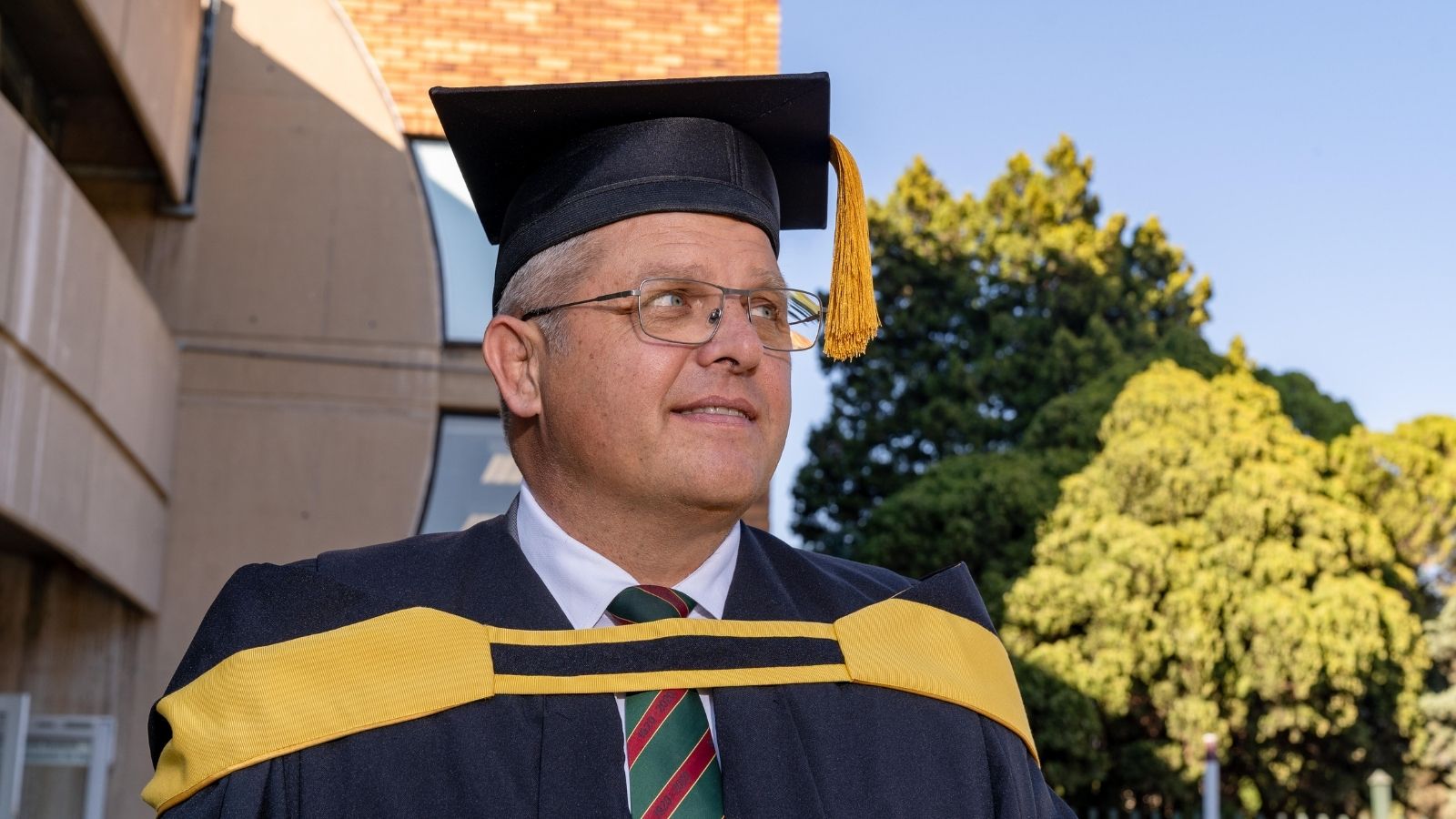
However, Affie’s principal, Peregrine Joynt, believes money alone does not explain why some schools consistently produce strong results.
Joynt, who has been principal since July 2019 and is the eighth headmaster in the school’s history, recently completed a master’s degree at the University of Pretoria.
His research examined strategic leadership and academic performance in high-performing public secondary schools.
“I’ve always been interested in leadership, and decided to challenge myself on the one hand for self-actualisation,” he said.
“On the other hand, to gain a better understanding of what makes schools top-performing, so that I might use those findings to further advance our school.”
His research found that successful schools require more than ambitious targets and good facilities. Strong leadership, committed teachers and a shared sense of purpose were repeatedly identified as crucial factors.
Joynt found that principals regarded teachers as their schools’ greatest asset, particularly those willing to “go the extra mile” for learners.
“Sustained high performance therefore depends not only on strong leadership but on the ability of leaders to cultivate and support this human capital through trust, distributed authority and ongoing, collaborative curriculum monitoring,” he said.
His research challenged the assumption that a school’s socio-economic circumstances automatically determine academic outcomes.
While fee-paying schools generally have resource advantages, Joynt found that under-resourced schools could also achieve exceptional results through committed staff, targeted interventions and strong community partnerships.
“Academic excellence is ultimately driven by the quality of a school’s human and professional capital, rather than by economic capital alone,” he said.
The research has influenced Joynt’s own leadership approach at Affies, particularly in the appointment and retention of staff.
“When the opportunity arises to appoint new staff, we must go out of our way to find dedicated people who will strengthen the school’s vision and fit into its culture,” he said.
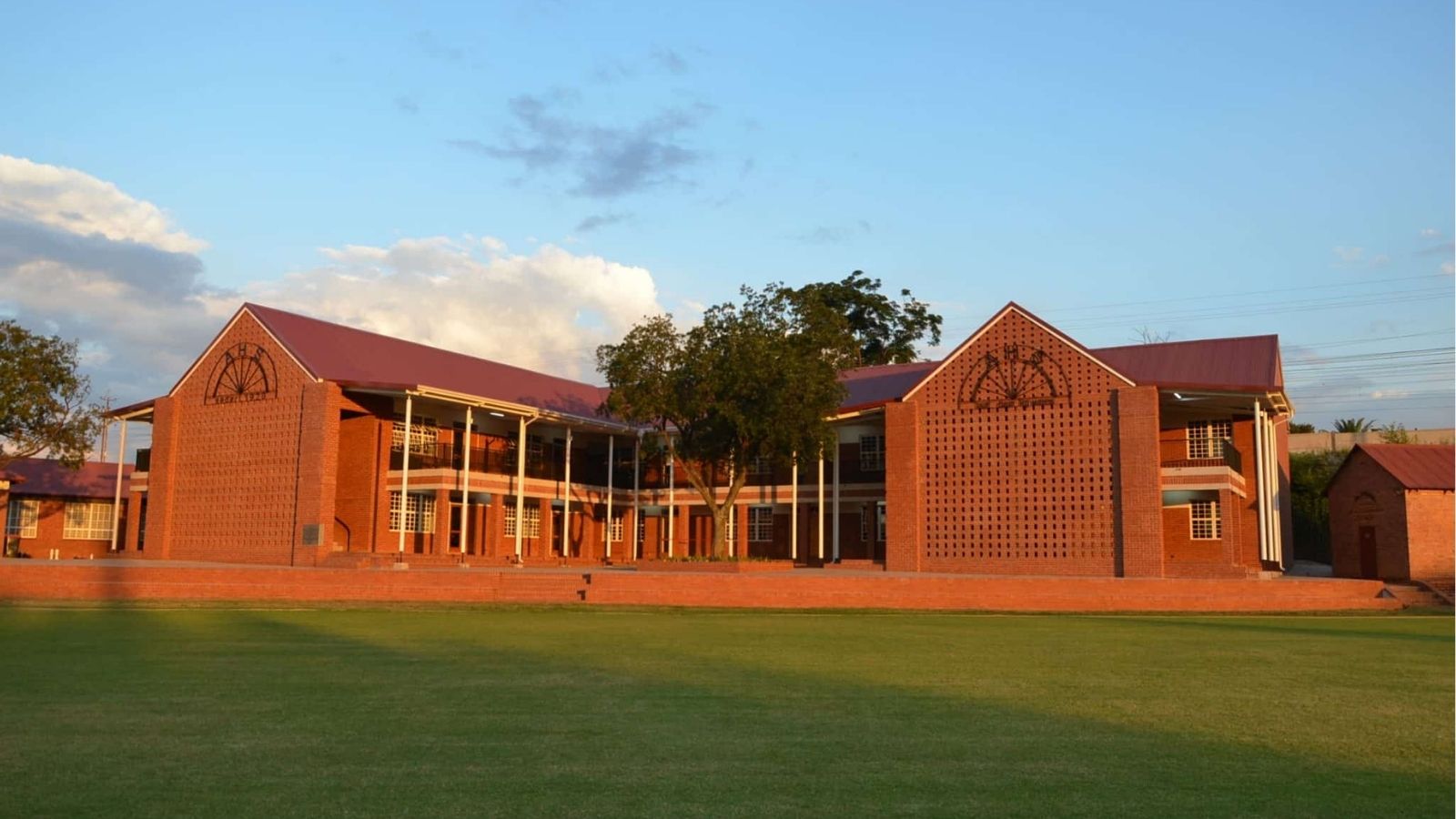
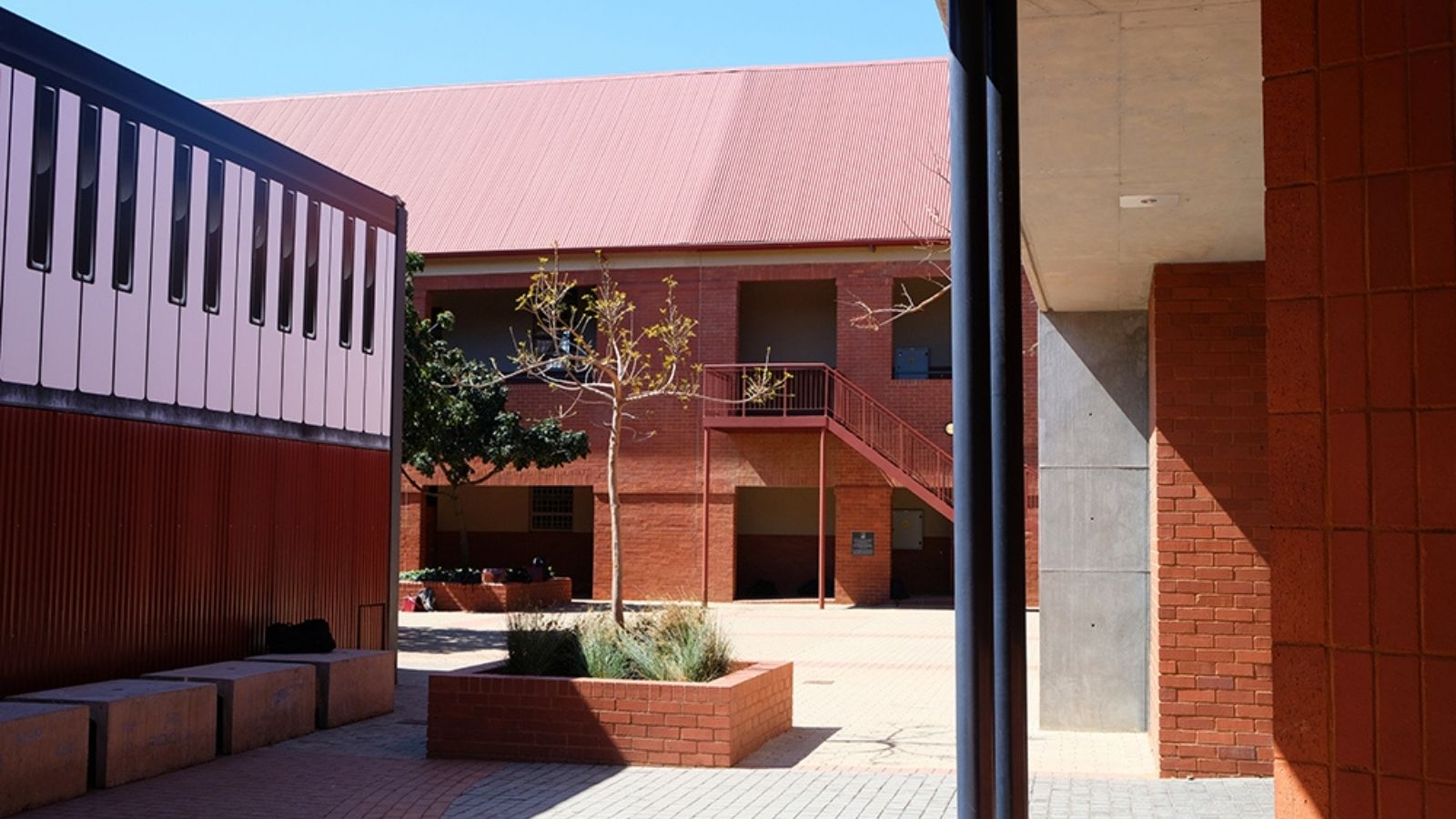
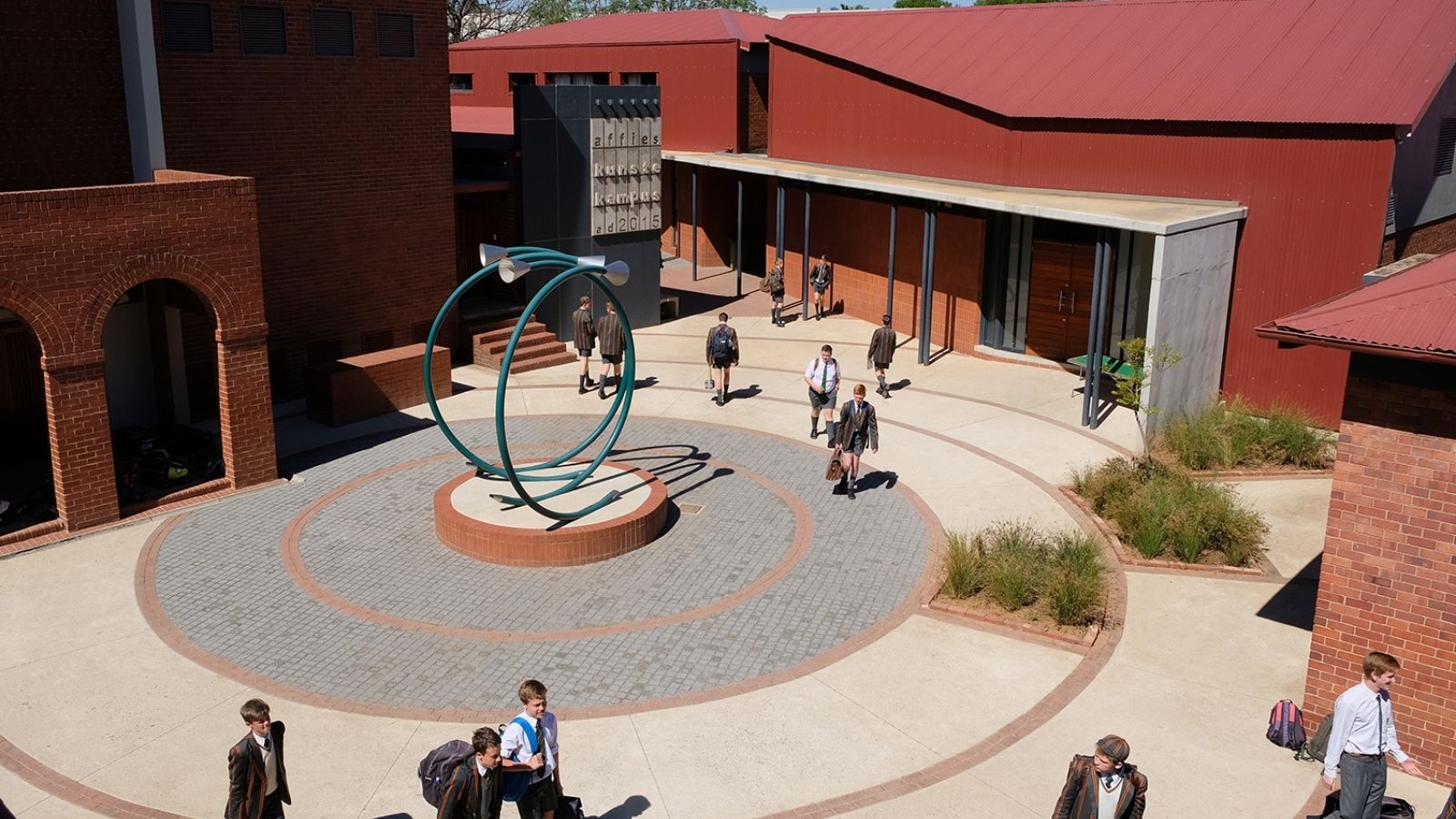
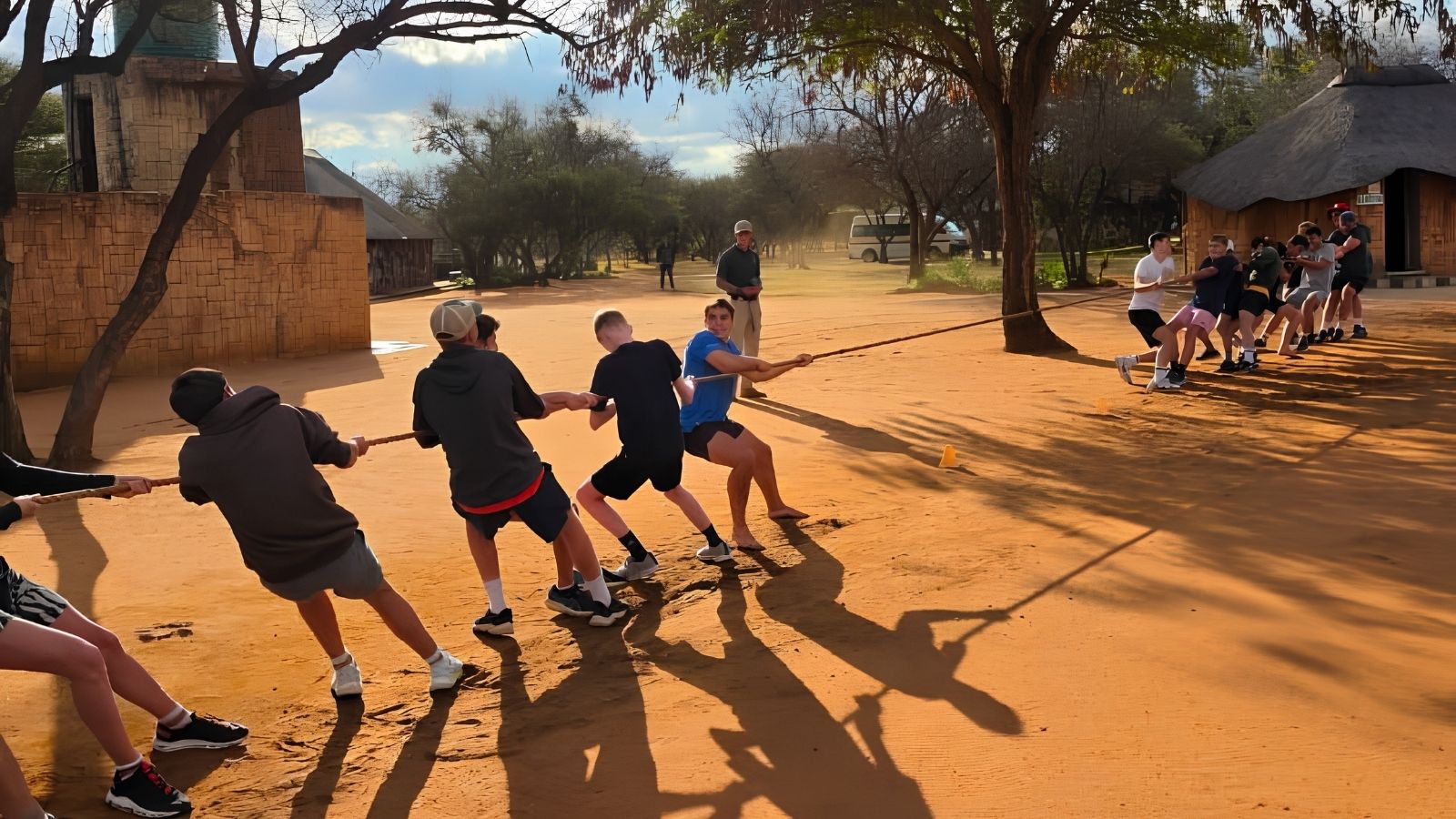
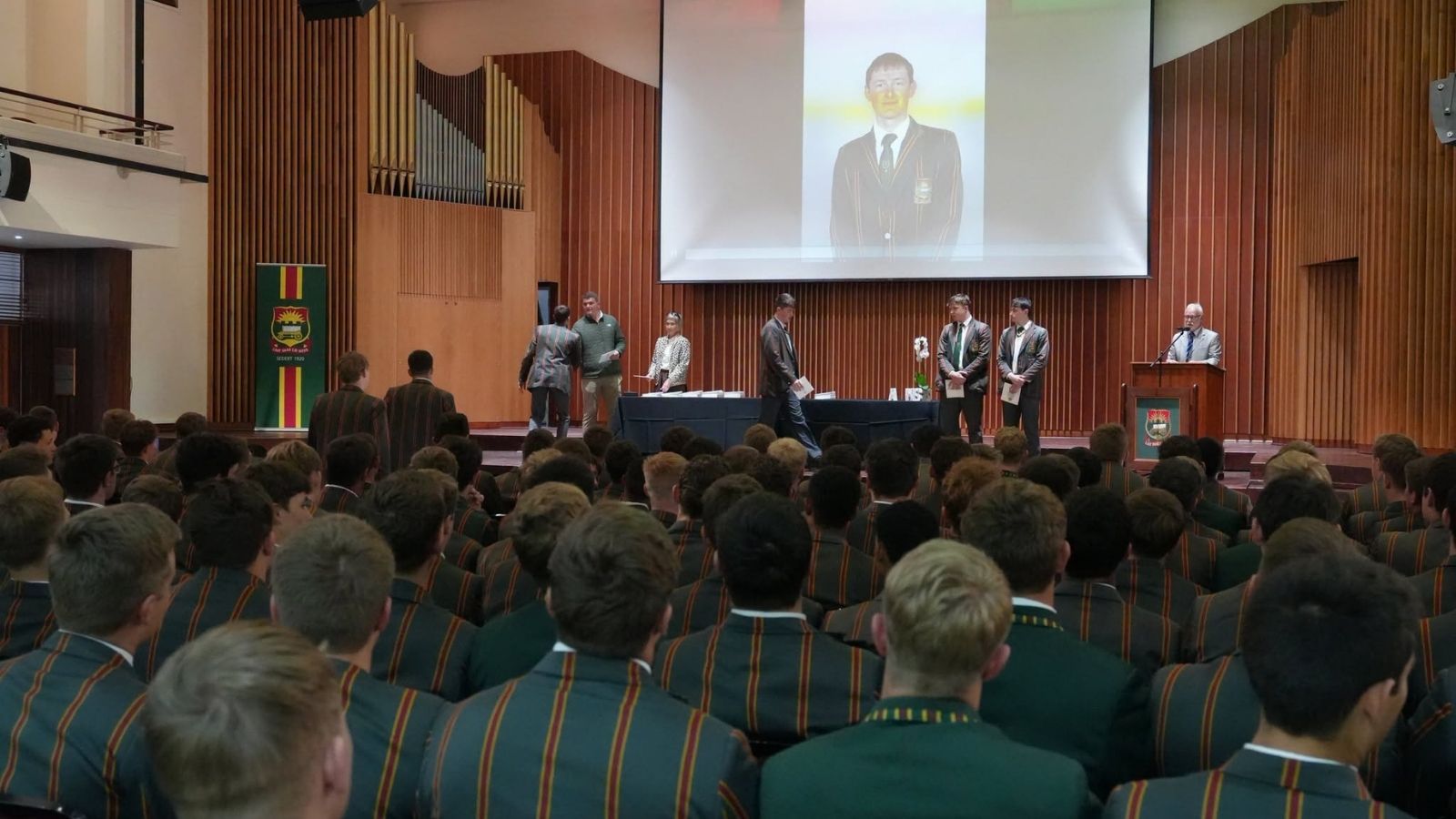
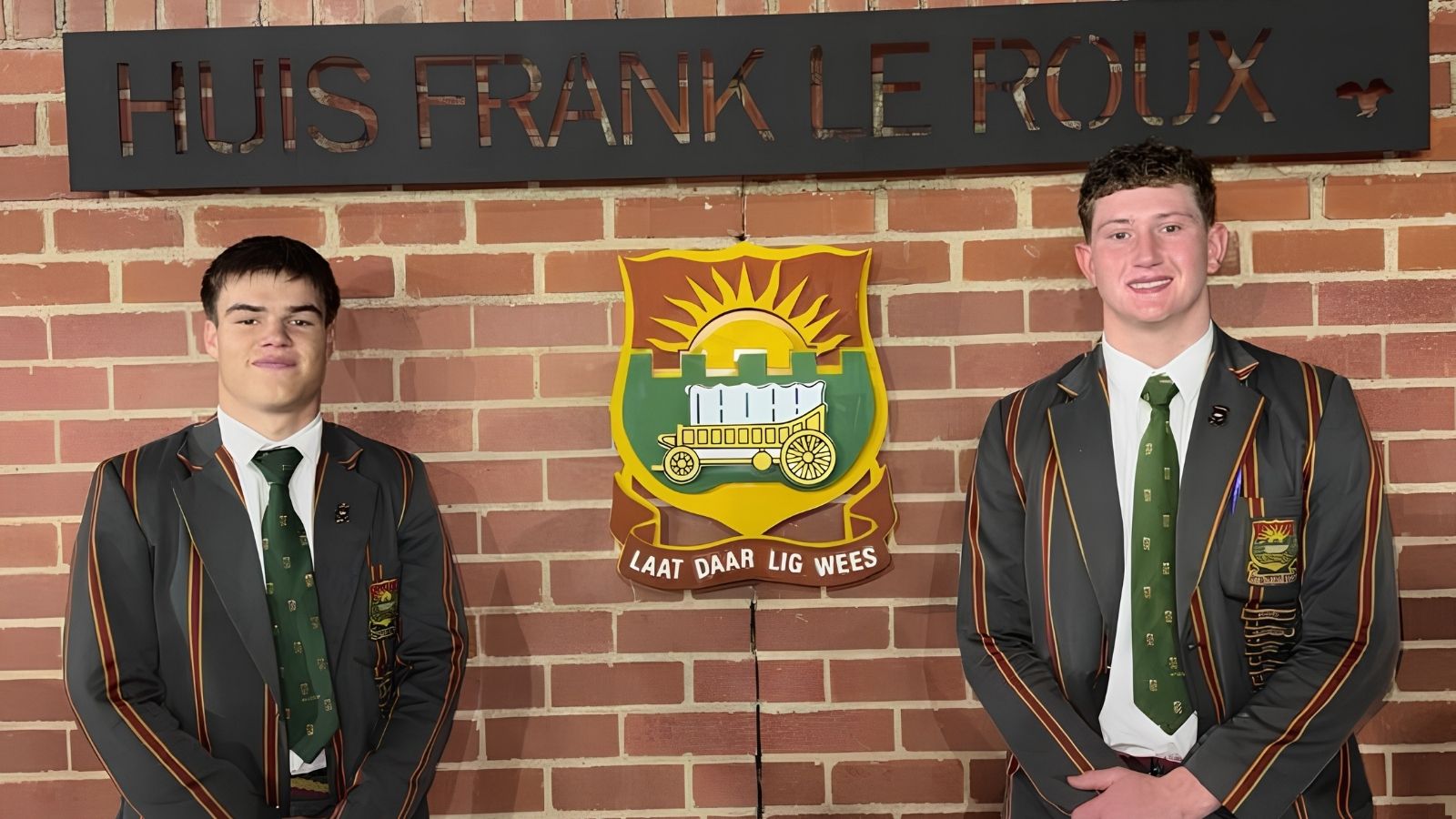
More photos of Afrikaanse Hoër Seunskool (Affies)





















 Loading ...