

South Africa has lost half of its fuel-making capacity in ten years


Over the past decade, South Africa has undergone a major energy transformation, losing more than half of its fuel-refining capacity.
As a result, the country can no longer produce most of its own petrol, diesel, and other liquid fuels.
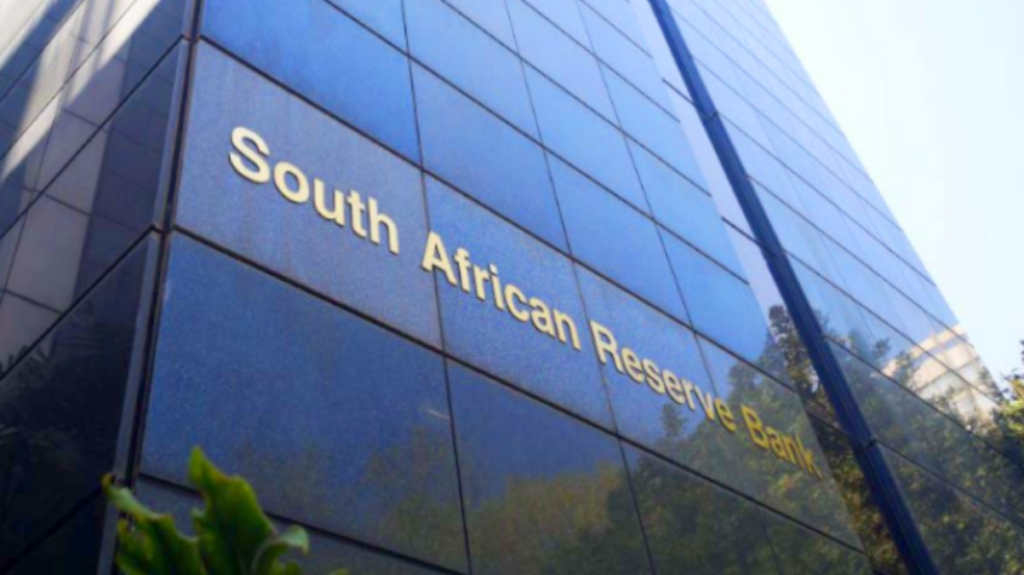
The South African Reserve Bank (SARB) recently released a report discussing the impact of this loss on the economy.
In the past, South Africa had one of the largest fuel refining sectors in the Global South.
However, major facilities such as SAPREF, Enref, and PetroSA’s Mossel Bay plant have either closed or been converted into import terminals.
As a result, the country’s refining capacity has dropped from over 720,000 barrels per day to just 250,000 barrels per day. Now, more than half of the fuel used in South Africa must be imported.
“South Africa’s refining capacity has halved over the past decade, marking the end of near self-sufficiency in liquid fuels,” said the SARB.
SARB’s indications show that the collapse was mainly due to long-term economic and regulatory issues, not just single events.
South Africa’s refineries are older and smaller than those in other countries, making them more costly to run.
Reportedly, uncertainty about cleaner fuel standards (Clean Fuels II) kept plant owners from investing billions of rand in upgrades.
“Domestic refineries are generally old, relatively small and costly to operate by international standards, leaving them structurally disadvantaged compared with the large, integrated facilities that dominate global refining capacity,” said SARB.
“A central factor was prolonged uncertainty surrounding the Clean Fuels II (CF2) programme.”
The decline in refining capacity reflects a major shift in investment decisions, driven by ongoing regulatory uncertainty, rising costs, and limited efficiency.
The closure of refineries caused a 20% drop in oil production and resulted in the loss of thousands of good-paying jobs in the industry.
“The refinery closures have cut petroleum-related manufacturing output by roughly 20% since 2019, displaced an estimated 5 400 direct and indirect jobs, and prompted firms to defer investment.”
South Africa relies on imports
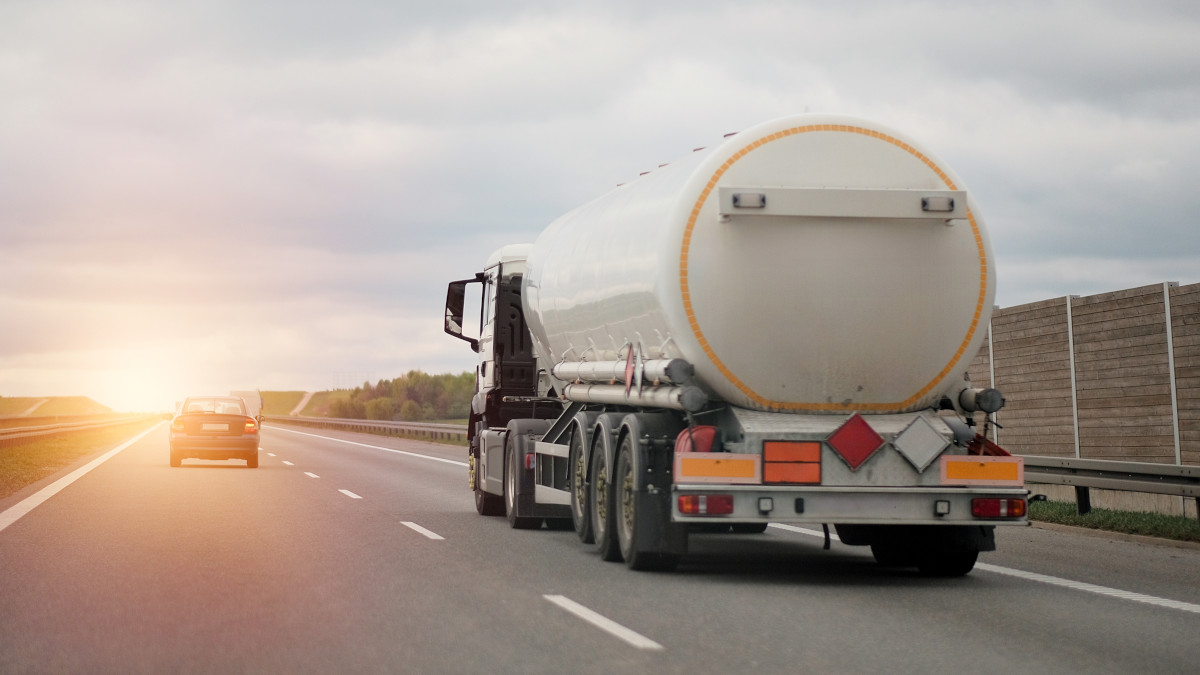
Refineries do more than produce petrol and diesel; they also make important by-products such as bitumen used in road construction and chemicals used in fertilisers and plastics.
After the shutdowns, South Africa switched from exporting bitumen to depending completely on imports for its road construction needs.
“Supply disruptions have indirectly extended beyond manufacturing to other industrial sectors dependent on refinery by-products as critical intermediate inputs. One such example is bitumen, a key material in the construction sector,” said the SARB.
“Since 2020, however, South Africa has undergone a structural shift from being a net exporter to a net importer of bitumen. The country now relies entirely on imports to meet demand.”
Importing pre-refined fuel is more expensive than purchasing crude oil and processing it locally. On average, imported refined products are 12% more expensive than crude oil.
Substituting crude oil imports with finished fuel has increased South Africa’s import bill by tens of billions of rand, putting significant pressure on the trade balance and weakening the rand.
“Between 2021 and 2024, the oil import bill could have been R76 billion lower if the cap on the import of refined petroleum products had been at 25%.”
“When global oil prices rise, the import bill increases more sharply than when crude oil was processed domestically, worsening the trade balance and the current account.”


















 Loading ...