

South Africa ‘weeks away’ from another United States blow


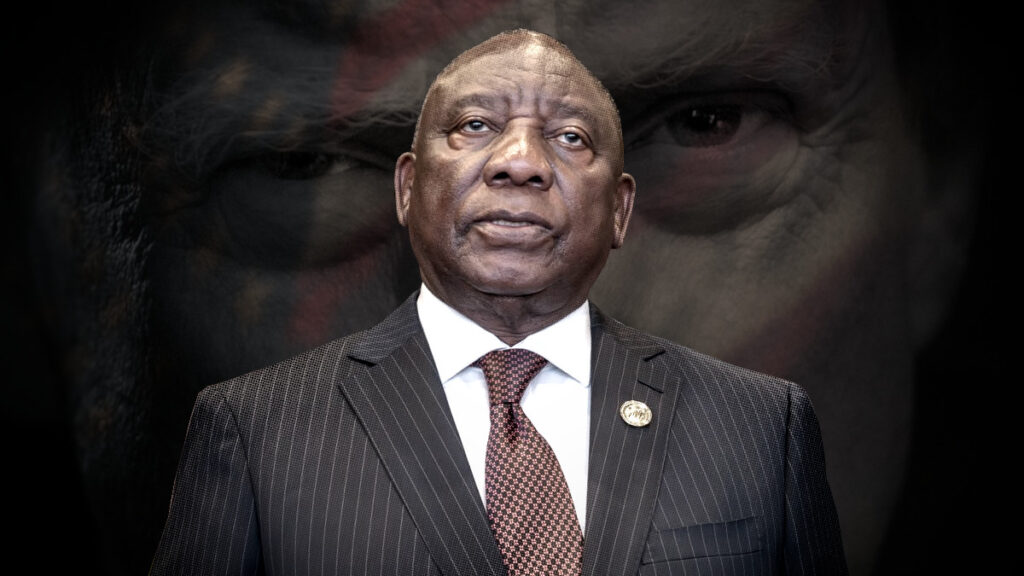
Trade union Solidarity has warned that a decision by the United States on who to include in the African Growth and Opportunities Act (AGOA) is imminent.
The union’s public liaison, Jaco Kleynhans, said that an announcement can be expected “within weeks” and that South Africa shouldn’t assume that the recent extension of the programme to 2028 makes it safe.
“Although AGOA has been extended until the end of 2028, the White House determines eligibility on an annual basis,” he said.
Kleynhans said several African countries are currently lobbying for a return or inclusion in AGOA, and the White House is likely to announce its decision at the beginning of November.
“There is a good reason to fear that South Africa will be excluded next year,” he said.
“It is time to set politics aside and, in the interest of ordinary South African business owners, entrepreneurs, and workers, make the final case for why South Africa must remain part of AGOA.”
Kleynhans said South Africa would suffer immense damage if it were to be expelled from AGOA, with hundreds of thousands of jobs, billions of rands in trade, and hundreds of businesses at risk.
South Africa has been the largest single beneficiary of the AGOA programme since its inception over 25 years ago.
The programme was enacted by the United States in 2000, granting many African countries, including South Africa, duty-free access to the US market.
Over this time, South Africa accounted for 54% of all AGOA-related exports to the US, making it the scheme’s largest beneficiary over its lifetime.
Approximately 22% of South African exports to the US benefit from AGOA, resulting in billions of dollars in trade.
Between 2019 and 2024 alone, South Africa exported around R300 billion worth of goods under the programme.
Economist estimates suggest that half a million South African jobs depend on AGOA, with the country’s agriculture, auto manufacturing, and chemicals sectors benefiting in particular.
AGOA lapsed in September 2025 and was retroactively extended to the end of 2026 at the start of the year. At the start of the month, it was given a further two-year extension to the end of 2028.
However, Solidarity previously warned that the extension did not guarantee South Africa’s continued eligibility, noting that the White House could review the list before the next cycle in January 2027.
Timing couldn’t be worse
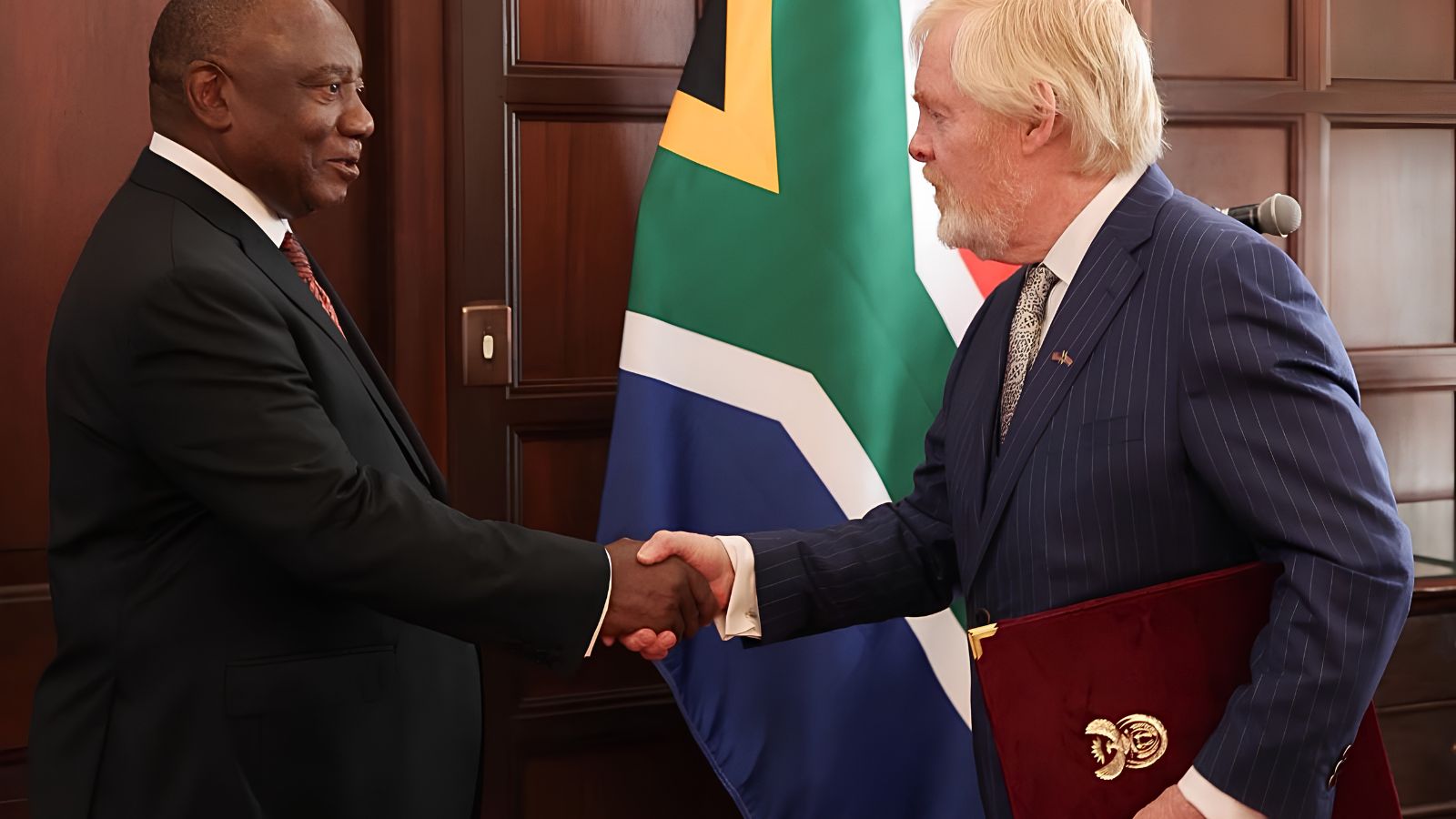
The timing of the AGOA review could not come at a worse time for South Africa, after diplomatic relations with the United States hit a new low this past week.
US Secretary of State Marco Rubio announced this week that certain individuals and their families would face visa restrictions over South Africa’s policies.
These include Black Economic Empowerment (BEE) laws and expropriation without compensation.
The government’s stance on rural safety and security (ie, farm murders) and targeting of minorities (via the “kill the boer” chant) was also explicitly flagged.
In follow-up statements, US Ambassador to South Africa Leo Brent Bozell made it clear that the United States had lost patience with the dead-end dialogue with Pretoria and was moving to take action.
This, he said, would result in “a series of escalatory measures”, which he characterised as “severe consequences”.
There are fears that being booted from AGOA may be one of these measures.
Kleynhands said, “It is a matter of absolute urgency that the South African government changes its stance and repairs its relationship with the USA in the interest of all South Africans”.
While the potential loss of AGOA is viewed by many as something that needs to be avoided, others view the programme’s importance as overstated.
The recent 2-year extension is said to be too short to shore up investment confidence—with a longer 10- or 15-year extension needed—while tariffs imposed by Washington offset much of the benefit.
Oxford Economics analyst Jervin Naidoo noted that it is also in America’s best interests to keep South Africa on board, as it serves as a critical counter to the rise of Chinese trade and provides access to critical minerals.
“The US needs South Africa in AGOA as much as South Africa wants to remain, as part of receiving preferential access to the US market,” he said.
Whether the bigger picture benefits outweigh the short-term leverage against South Africa remains to be seen.

















 Loading ...