

SARS nails taxpayer for R900,000, freezing his account, and ordering his bank to pay up


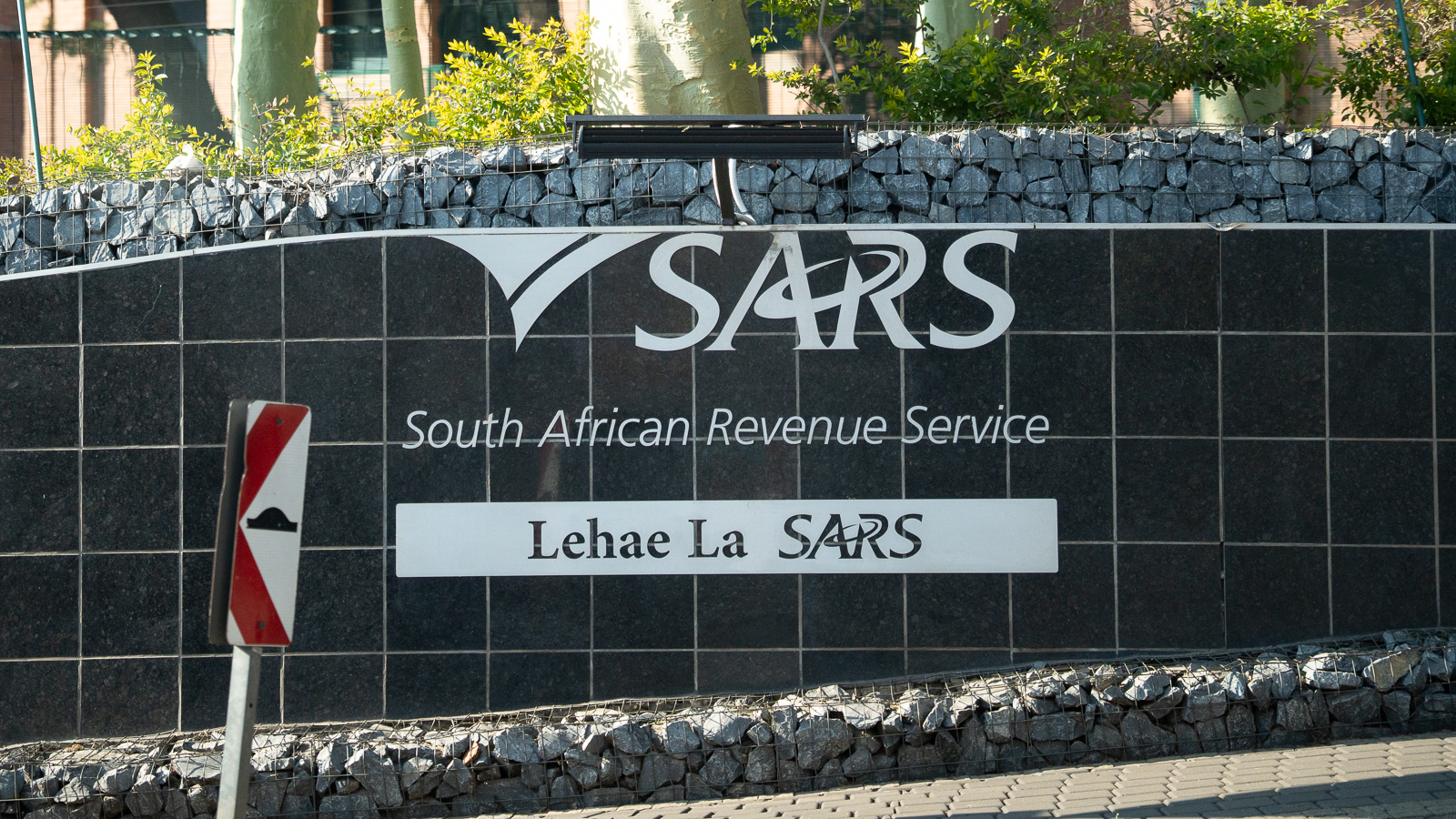
The South African Revenue Service (SARS) has scored a legal win over a taxpayer who was fighting to have a fraudulent R900,000 payment to his bank account unfrozen.
In a September High Court ruling, the judge dismissed the taxpayer’s application to stop the money being taken, holding that SARS was entitled to freeze and recover the funds.
The case centred on the taxpayer receiving undue payments from a fraudulent VAT refund scheme that occurred in 2024.
In the scheme, a company filed VAT returns with SARS totalling R3.27 million, which the revenue service subsequently paid out.
In early 2025, the company made payments from its Capitec account to other accounts.
Capitec Bank subsequently sent an alert to other banks, advising that the company had been implicated in fraud involving SARS and that the proceeds of this fraud had been sent to accounts at various banks.
The payment of R900,000 was identified as one of these payments, made to a Bidvest Bank account held by the taxpayer in question.
On the same day, the account was frozen, which prompted the taxpayer to challenge the process in court.
SARS launched an investigation into the authenticity of some invoices submitted on behalf of the company in support of its VAT claims and found them fraudulent.
The company’s alleged suppliers confirmed in affidavits that invoices purportedly issued by them were not authentic and that they had never conducted business with the company.
The investigation further established that the company’s registered business address was not a business premises, but rather a daycare centre.
SARS opened a case against the company and issued a third-party notice to Bidvest Bank to recover the funds. At the time, Bidvest paid about half the amount to SARS.
However, the taxpayer argued that SARS’ case was with the company in question, not him, and that it had no right to freeze and withdraw the amounts.
He said Bidvest had acted unlawfully in doing so, and that SARS had relied on “hearsay” from Capitec to issue its notice.
He also challenged the procedure on the ground that SARS did not issue him a notice of Final Demand.
The money belongs to SARS
Unfortunately for the taxpayer, these arguments were wholly unconvincing to the court.
The court stressed that the relationship between a bank and its customer is governed by contract. Bidvest’s contract entitled the bank to act to prevent criminal activity.
The contract allowed the bank to immediately suspend or restrict the use of the account without notice to the customer or client if it deemed it necessary or if certain laws required it to do so.
The information from Capitec about the fraudulent activity could also not be considered hearsay, the court said.
The suspicion rested on solid and reasonable grounds in that it came from a bank in which the company in question held an account and paid R900,000 out of.
Finally, the court found that SARS acted fully within its rights, and that the taxpayer ignored all other provisions of the Tax Administration Act which allow the revenue service to bypass notices of demand.
A key pitfall, though, was that the notice was served on Bidvest Bank rather than the taxpayer himself, rendering his argument moot.
In the end, the case was straightforward.
The company was paid a R3.27 million VAT refund to which it was not entitled. The taxpayer was paid R900,000 by that company, which he was not entitled to.
The court noted that the taxpayer provided no evidence or invoice for work performed for the company that would warrant payment.
It added that the payment was made into a dormant personal account rather than a business account.
“Worse for the applicant, [he] attempted to withdraw significant sums in cash and make purchases at various retailers shortly after the deposit was made,” the court said.
This was more consistent with the dissipation of funds rather than the conduct of a legitimate business, it said.
“The ineluctable conclusion is therefore that the applicant has failed to establish a clear right to the funds – thus the application falls to be dismissed.”
The full ruling can be read below:

















 Loading ...