

One woman makes R540,000 cash in a South African township and pays zero tax


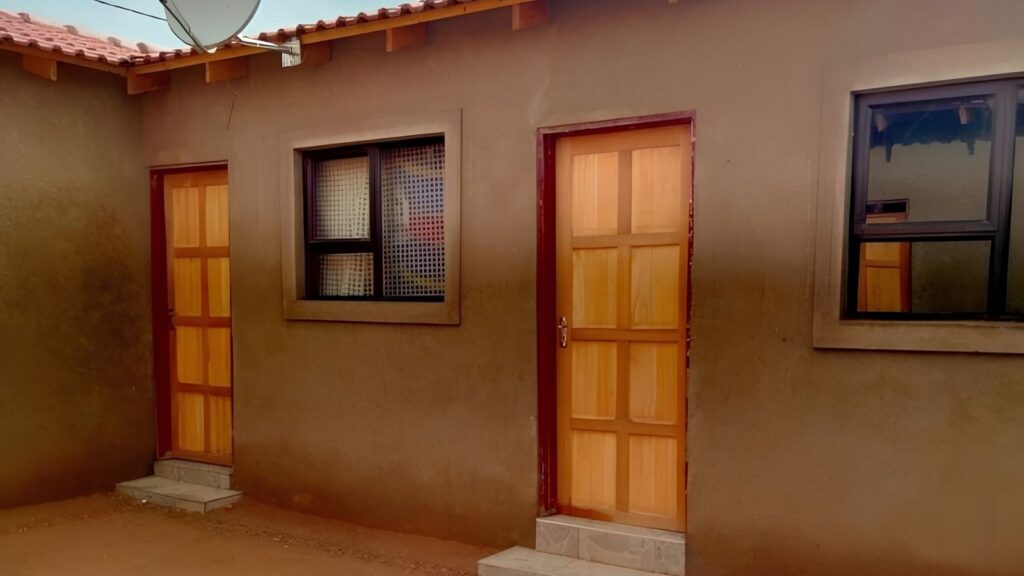
A South African woman is earning R540,000 a year from 15 back-room rentals on her township property, and pays zero tax.
The example was shared by informal economy expert GG Alcock in a conversation with Standard Bank Talks.
Alcock said the woman used her formal retirement pension to build 15 amarum (the Zulu term for back-room rentals) on her property.
“Someone told me this story the other day. Their mother took her formal retirement pension from working her whole life and built 15 amarum,” Alcock said.
“She is renting out these 15 rooms for R3,000 each. That is a great business, making her R45,000 a month by investing her pension.”
Alcock estimated that South Africans renting out back rooms collectively generate around R30 billion a year, showing that the activity is far more significant than a handful of homeowners earning extra income.
“If I tell you that South Africans renting out back rooms make R30 billion a year, you will struggle to believe it. But, they do. They make R30 billion a year renting out back rooms,” he said.
Alcock said the informal economy is visible across the country, from townships and rural areas to suburbs and city centres. It includes everything from roadside amagwinya sellers to established rural butcheries.
“It is the reality. If I try to convince executives about this, they say it is impossible. But, when you talk to people in that space, they get it straight away,” he said.
“One thing they don’t get is the scale of it. They do not understand the aggregated scale. They might know of a bakery here or a trader there, but they never add it all up.”
The same applies to spaza shops, which form a major part of the informal economy. The sector is estimated to generate more than R200 billion in annual turnover.
SARS still benefits
While informal businesses are often assumed to operate entirely outside the tax system, Alcock said many contribute to government revenue indirectly, particularly through VAT paid on goods they purchase.
“The vast proportion of them are not VAT-registered. They pay VAT and don’t claim it. There’s a net benefit to the fiscus of about R85 billion a year,” he said.
He said informal traders buy stock from large wholesalers, while major manufacturers rely heavily on the informal market to distribute their products.
Alcock also pointed to the taxi industry, which he estimates generates more than R50 billion a year in revenue.
According to Alcock, South Africa’s taxi drivers pay a collective R6 billion every year on fuel levies.
However, the government has taken notice and is increasingly looking at this sector to broaden South Africa’s tax base.
Finance Minister Enoch Godongwana said SARS has identified the informal economy as an area with significant potential for additional tax revenue. The taxi industry is also among the sectors being targeted.
Godongwana said SARS is developing an Informal Economy Response Strategy aimed at gradually bringing previously unregistered businesses into the formal economy.
The strategy includes helping informal businesses register, understand their tax obligations, submit returns and pay amounts due.
Priority sectors include spaza shops, informal retailers, food services, personal services, construction and digital micro-enterprises.
The approach is already producing results. Since the 2024/25 financial year, SARS data triggers have resulted in 21,890 previously unregistered informal-economy taxpayers being registered.
These taxpayers have generated R314 million in additional revenue, with SARS planning to expand the programme.
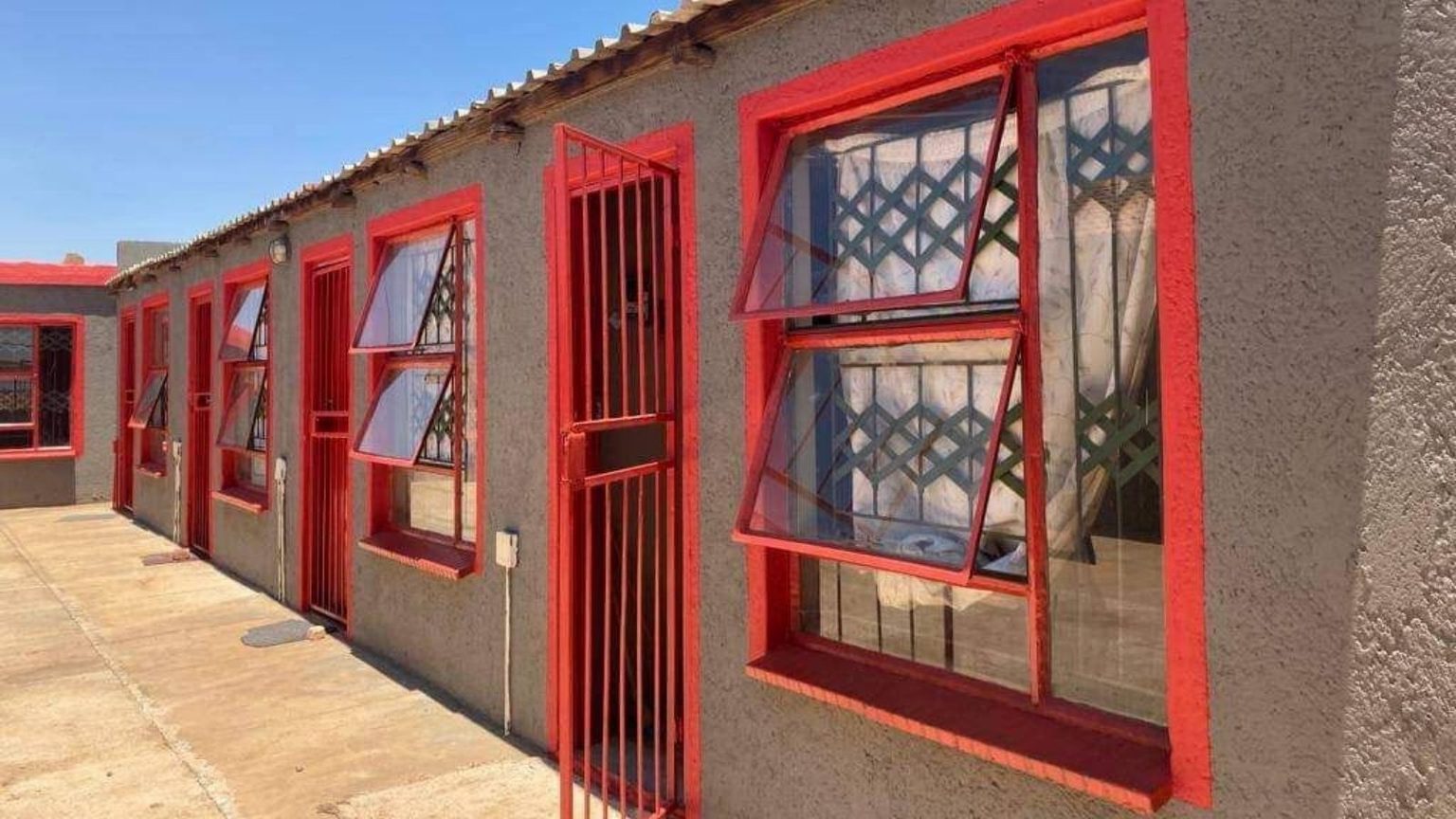
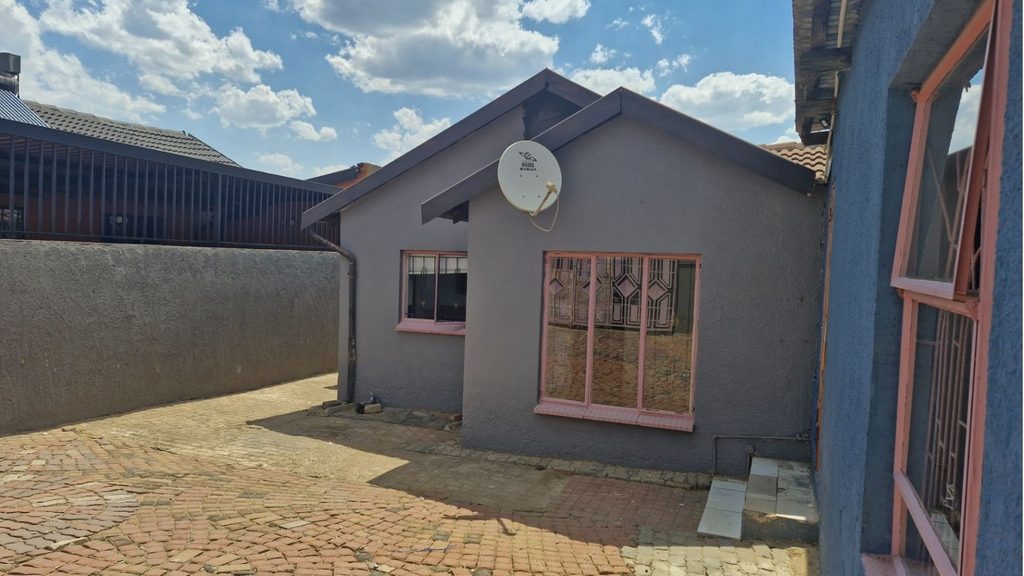
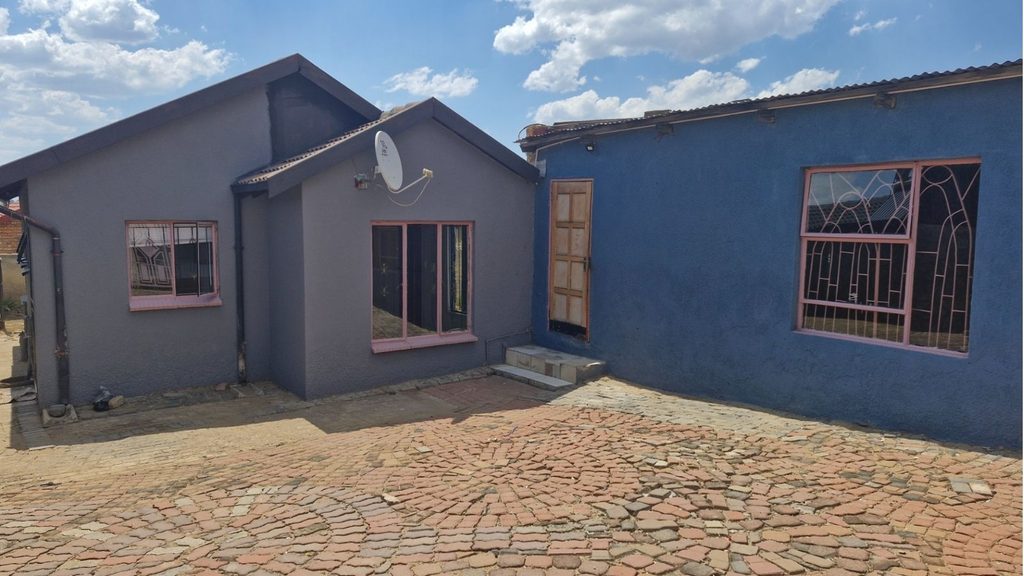
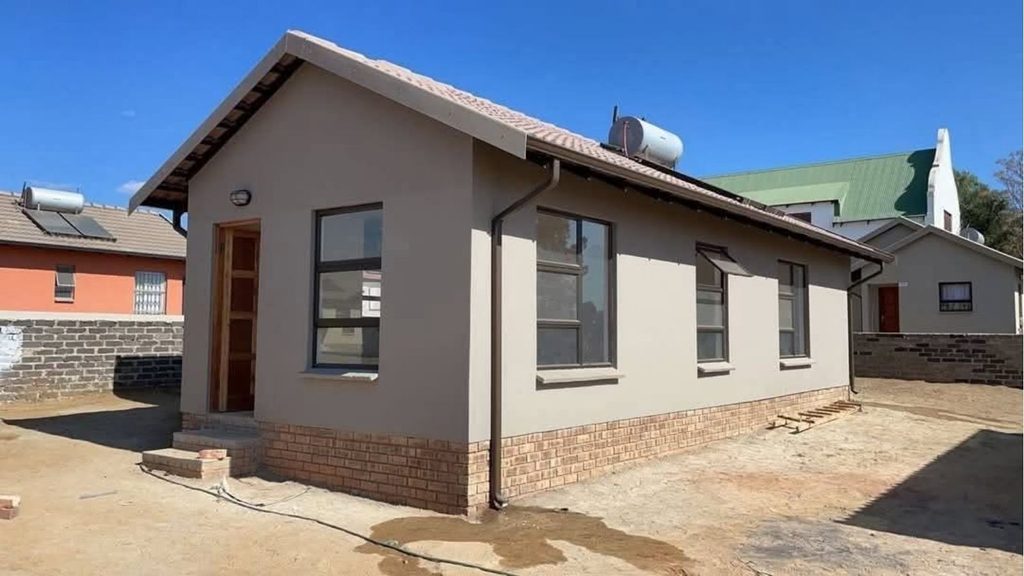
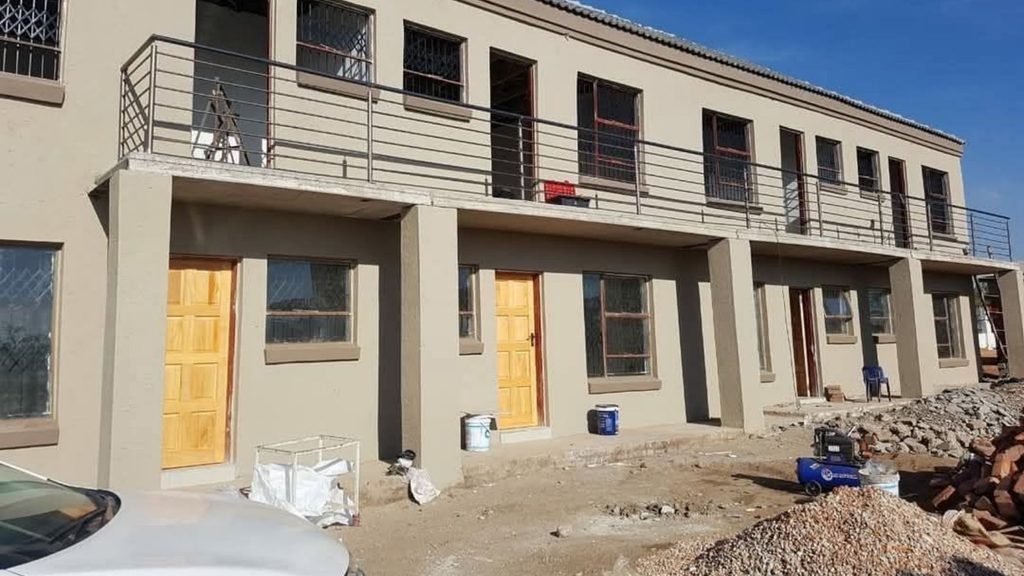
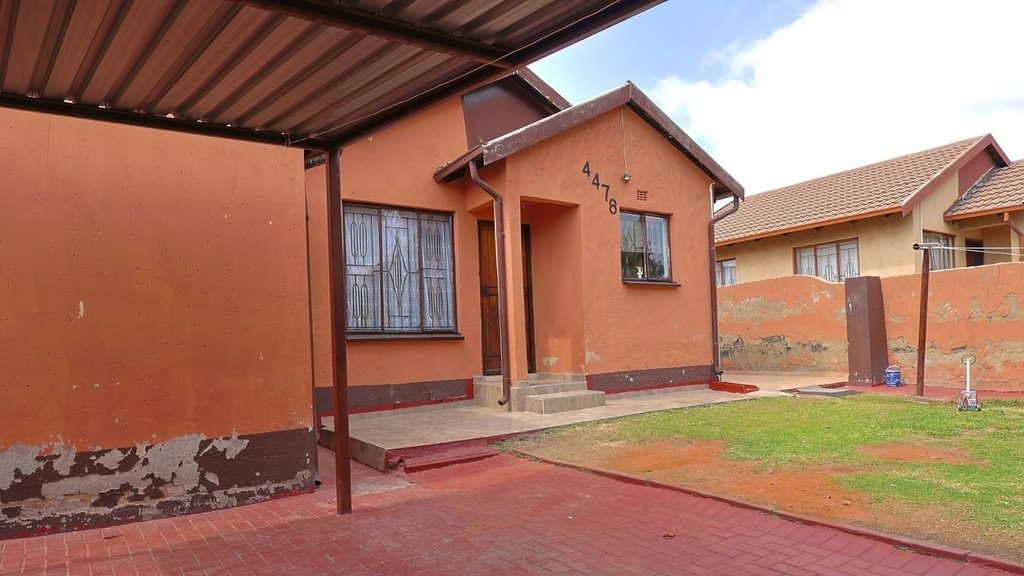
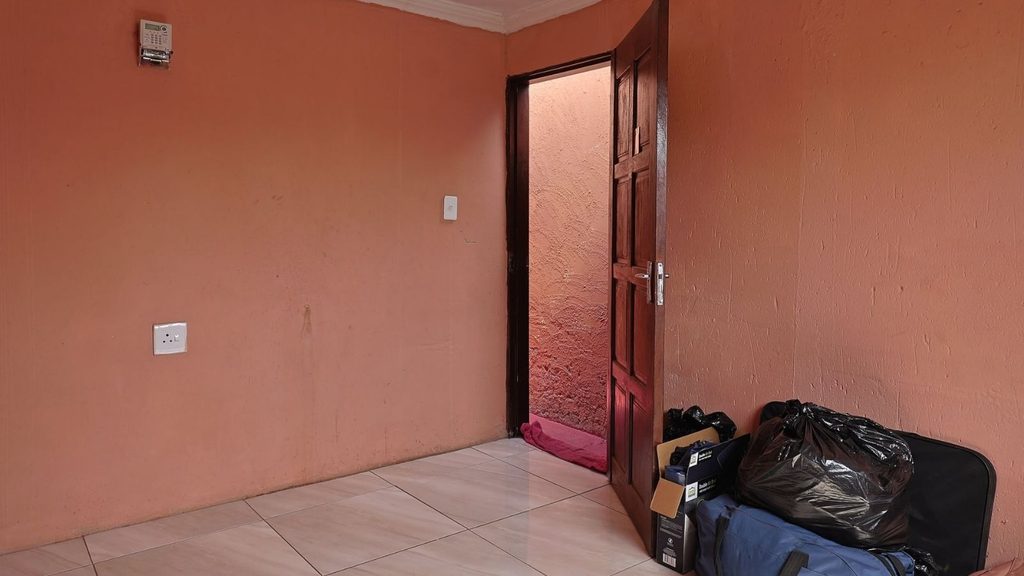
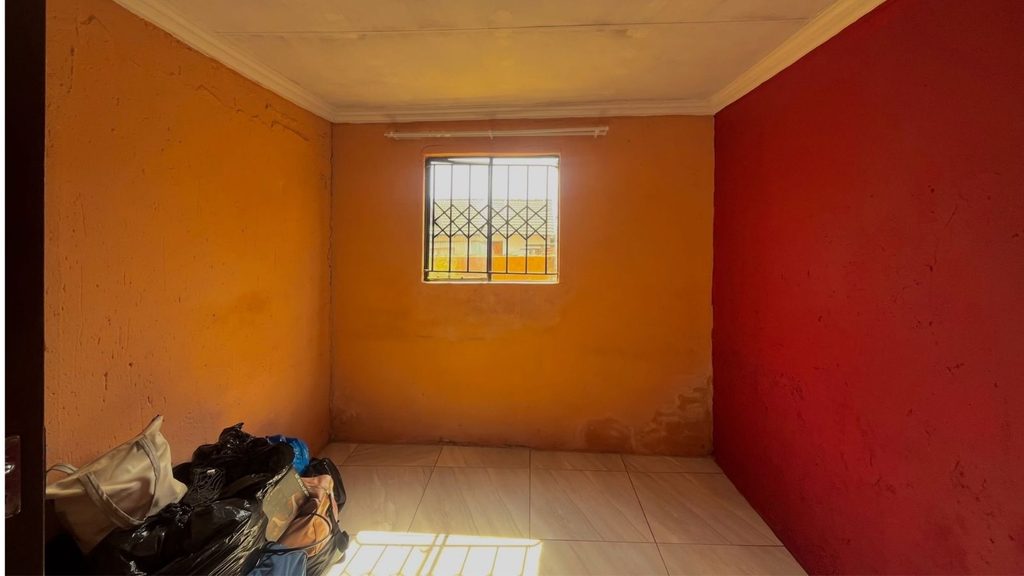
Photos of back-room rentals in South Africa


















 Loading ...