

Banking goes digital-first


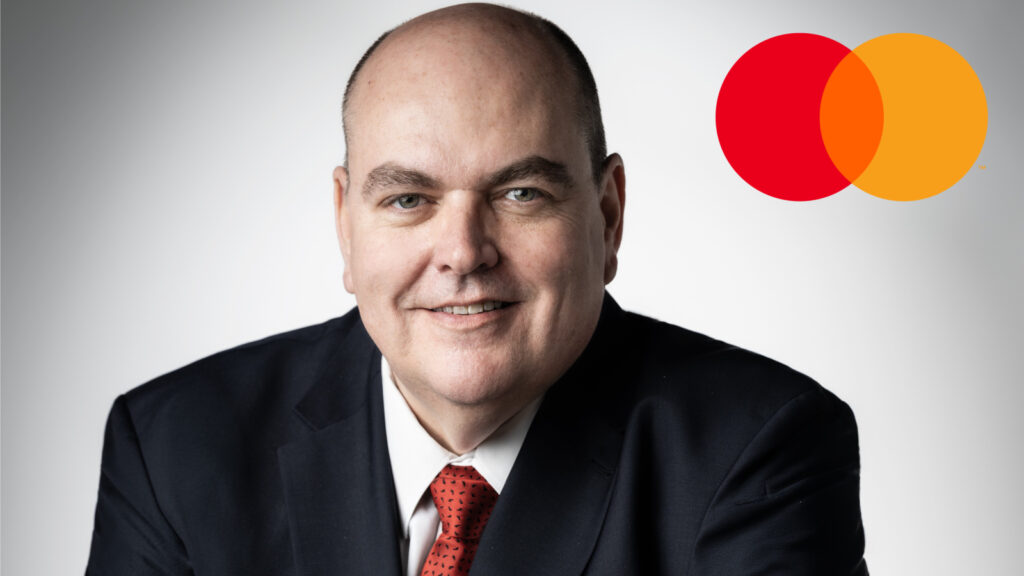
By Gabriél Swanepoel, Mastercard division president, Africa
Africa is among the fastest financial transformations the world has seen.
A young, digitally native population is shifting an entire continent toward a digital or mobile-first economy.
In Southern Africa, 95 to 98 percent of existing account owners already utilise digital financial products.
However, adoption alone does not create a digital economy.
Sustainable digital growth depends on payment systems that can move money securely and at scale, connecting consumers, businesses and institutions without friction.
What digital-first really means for payments
Digital-first finance is not simply a digital wrapper on a traditional process.
It reflects a fundamental shift in how people expect access to and use money.
Customers sign up digitally, manage their finances, limits, security toggles and subscriptions all in one place from a mobile device.
For users, the experience feels simple and intuitive. This is the experience Gen Z and younger millennials already expect and increasingly demand from financial services.
At Mastercard, our role is deliberately specific. We are not the bank. We power the payment network behind digital experience.
By connecting issuers, acquirers, fintechs, merchants and consumers through trusted infrastructure, we enable, in collaboration with banks and other ecosystem participants, secure transactions, real-time authorisation, broad acceptance and efficient settlement, allowing faster, more seamless and more personal payment experiences to reach people and businesses every day.
Across South Africa, digitally enabled banks demonstrate what becomes possible when modern customer experiences are built on resilient payment infrastructure.
Customers can open accounts remotely, in many cases receive approval quickly, and when supported by the issuing bank, begin transacting immediately.
To the end user, the experience feels simple because the complexity, from authorisation to security and acceptance, is handled behind the scenes.
Building the foundational rails to support this is essential. Mastercard grew its acceptance network across Africa by 45 percent in 2025, bringing millions more consumers and small businesses into the digital economy.
In South Africa, card payments were projected to reach R2.9 trillion last year, driven by demand for faster, more secure and more convenient transactions.
However, seamless payment experiences require both sides of the transaction to be supported.
While consumers may be ready to transact instantly via mobile, businesses also need reliable and efficient ways to receive and manage those payments.
The real engine of growth: on-soil investment
Sustainable digital banking growth takes more than technology.
It takes investment on the ground – infrastructure, talent and local innovation ecosystems that turn ideas into real and relevant products.
Secure data centres, interoperable payment platforms and collaboration with banks, governments and fintech companies ensure digital solutions become tools people actually use.
Mastercard continues to play a crucial role in powering the South African digital economy, from tap-and-go payments to one-click e-commerce and artificial intelligence-powered cybersecurity tools that can calculate risk and find fraud in real-time, protecting billions of transactions across our network each year.
Small businesses and consumers rely on timely access to funds.
Faster settlement allows merchants to restock, pay employees and keep the digital economy moving as money flows seamlessly across the ecosystem.
Mastercard enables acquiring banks, in supported markets, to process card payments for merchants in real-time through the introduction of real-time clearing and more frequent settlement cycles.
Inclusive growth for all
Despite this progress, the cash-to-digital transition remains incomplete.
According to World Bank data, only 20 percent of adults in sub-Saharan Africa paid merchants digitally in 2024, and a $5.7 trillion small, medium and micro enterprises finance gap in developing countries continues to constrain small business growth.
Digital-first banking, underpinned by strong payment networks and local investment, helps address both challenges by enabling faster access to funds and broader participation in the digital economy.
Africa’s digital banking opportunity is enormous, but realising it requires continued investment in local infrastructure, trust, talent and technology.
The next wave will be seamless: instant mobile sign-up, frictionless card issuance and full account management in one app, powered by resilient technological infrastructure and connected by interoperable, real-time platforms.
At Mastercard, our vision is simple: everyone, everywhere should have the access they need to thrive in the digital economy.
Click here to learn how Mastercard is helping make banking a digital-first experience.

















 Loading ...