

SARS bosses earn R5.2 million a week in South Africa


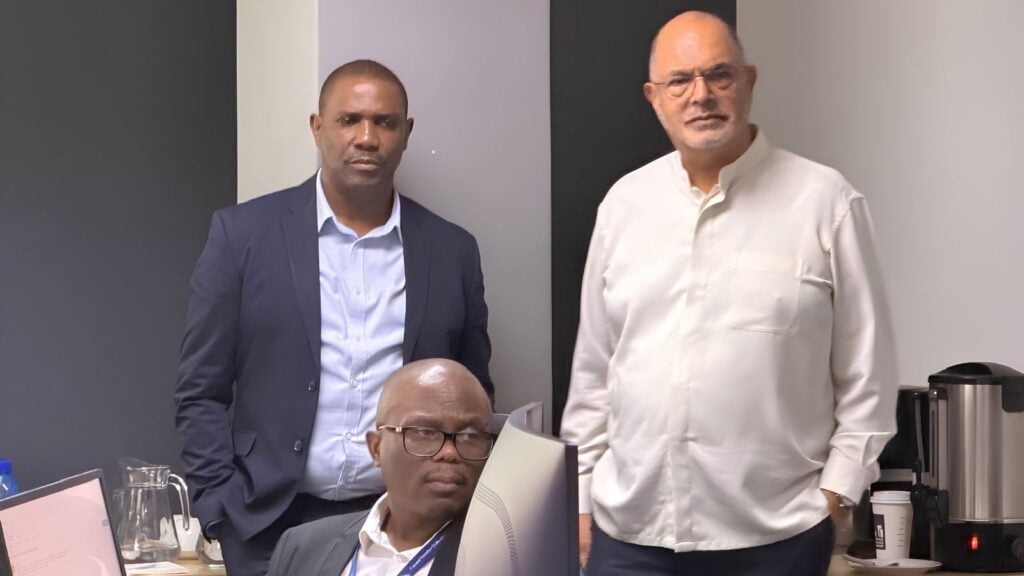
The South African Revenue Service (SARS) revealed that it paid 94 top managers R270 million in the last financial year, which works out to roughly R5.2 million a week.
It shared this information in its 2026 Annual Report, which provided details on the average cost per occupational level.
The report shows that average remuneration for employees classified as top management reached R2.87 million per person during the year.
SARS defines top management as the Commissioner, Deputy Commissioners, the Chief of Staff and heads who report directly to executive leadership.
The category includes functional, regional, and operational heads across the organisation’s nine geographic regions and operational clusters.
The remuneration figures come as SARS continues to play a critical role in funding government expenditure, with the tax authority collecting more than R2 trillion in net tax revenue during the financial year.
Overall personnel expenditure reached R9.34 billion, according to the annual report. This includes the cost of employing staff across all occupational levels.
SARS also paid R627.99 million in performance rewards across its workforce, equivalent to 6.72% of total personnel expenditure.
The report attributed compensation exceeding the original budget baseline to the implementation of its performance incentive framework.
At the executive level, total remuneration for the Commissioner and other senior executives amounted to R33.03 million.
Commissioner Edward Kieswetter received total remuneration of R11.83 million for the year. This consisted of a basic salary of R8.45 million, a performance bonus of R3.07 million, allowances of R170,000 and contributions of R141,000.
The Deputy Commissioner responsible for Taxpayer Engagement and Operations received R7.19 million, while the Deputy Commissioner for Enterprise Strategy and Modernisation received R6.61 million.
The Deputy Commissioner for Corporate and Enterprise Services received R2.62 million for five months of service, while the Chief of Staff received R4.79 million.
The remuneration figures form part of SARS’ broader expenditure on the workforce responsible for administering the country’s tax system and enforcing compliance.
During the 2025/26 financial year, SARS collected R2.01 trillion in net tax revenue, an increase of 8.4% from the previous year. Collections exceeded the revised budget estimate of R2.00695 trillion by R3.39 billion.
Gross tax collections reached R2.468 trillion, while the authority paid R457.9 billion in refunds to taxpayers.
Personal income tax remained the largest contributor, generating R793.95 billion, or 39.5% of total net tax revenue.
Value-added tax contributed R500.59 billion, accounting for 24.9%, while corporate income tax generated R349.35 billion, representing 17.4%.
SARS also reported that its compliance and enforcement activities generated R319.2 billion in revenue during the year. This comprised R166.8 billion in cash collections and R152.4 billion in revenue leakage prevention.
Despite the scale of its collections, SARS’ operating costs remained relatively low compared with the revenue it administered.
Its operating cost-to-net-tax-revenue ratio stood at 0.75%, below the international benchmark of 1% for developing economies.
The annual report also highlighted spending on employee development and recognition. Training expenditure totalled R98.34 million, covering 15,525 learners, including R36 million allocated to bursaries for 534 employees.











 Loading ...