

Warning to residents living in and around Pretoria


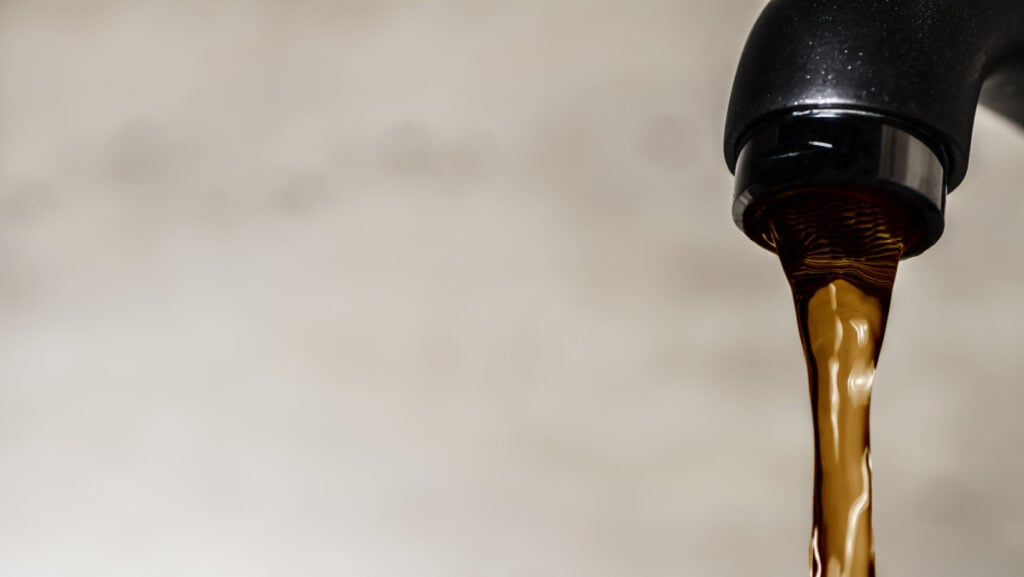
Water treatment plants in the City of Tshwane, which serves Pretoria, Bronkhorstspruit, and surrounding areas, had not been chlorinated for nearly three weeks, resulting in hundreds of residents falling ill.
The Department of Water and Sanitation (DWS) confirmed that the water from the Bronkhorstspruit Water Treatment Works (BWTW) is contaminated and has caused gastrointestinal illness among residents.
The National Institute for Communicable Diseases confirmed that human samples of infected residents have tested positive for Norovirus, Campylobacter, and Shigella.
The DWS said these findings support the department’s water quality tests, which found significantly elevated E. coli levels.
“Further tests are currently being conducted to confirm whether any other harmful contaminants are present in the water,” said the DWS.
The department said that the City of Tshwane had experienced a chlorine supply issue, which resulted in unchlorinated water being dispersed from the BWTW in September and October.
Unchlorinated water is not fit for human consumption, and should not be used for drinking, cooking, washing, or bathing, even after boiling.
However, the City of Tshwane failed to warn residents about this issue, and now over 408 cases of illness have been reported.
Although the chlorine supply has since been restored, residents have been told not to drink or use the tap water as it is still not safe for cooking, washing, or bathing.
City of Tshwane Executive Mayor Nasiphi Moya told Talk Radio 702 that tap water should only be used to flush toilets until there is confirmation that it is safe to use.
She said that the officials handling this issue had not alerted the mayor or any of the City of Tshwane’s leadership, and that they were only recently informed.
“We only heard on Thursday, which is why we could act as a result, because we didn’t know that there was no chlorine, and we were unable to alert the residents, which is something that is unforgivable,” said Moya.
Price disputes, failed communication, and pollution

The City of Tshwane Mayor said that the chlorine supplier, which is one of two available in Gauteng, had requested a 400% price increase under its contract, stating that its manufacturer had raised prices due to global conflicts.
She said that the legislation allows price adjustments of up to 20%, making a 400% hike unjustifiable and prompting contract negotiations between the supplier and the department officials.
According to Moya, while negotiations were underway between the supplier and the department, the supplier abruptly withdrew the chlorine supply, leaving the plant unchlorinated from 24 September to 14 October.
Moya said that the lower-level officials did not alert executive leadership to the missing chlorine supply, which led to a major delay in warning unsuspecting residents not to drink their tap water.
She explained that the chlorine supplier had surprisingly walked back into the municipal facilities and resumed chlorine deliveries on Saturday, 17 October.
The treatment plant abstracts water directly from the Bronkhorstspruit River, which is severely polluted with sewage.
Without chlorine to neutralise micro-organisms in the raw sewage, pathogens flowed directly into residents’ taps.
The mayor said that the City of Tshwane had increased the treatment plant’s upgrade budget from R1 million to over R100 million and is handing over ongoing refurbishment work to Rand Water.
She also said that the city of Tshwane has increased the deployment of water tankers and provided coordinator numbers for residents who had reported inconsistent tanker deliveries.
“I am accountable to the people of Tshwane, and I must take responsibility, hence I’m at the forefront of making sure that these issues are resolved once and for all and that I personally communicate with the people so that we can arrest the situation,” said Moya.















 Loading ...