

New minimum wage laws for anyone employing a domestic worker in South Africa


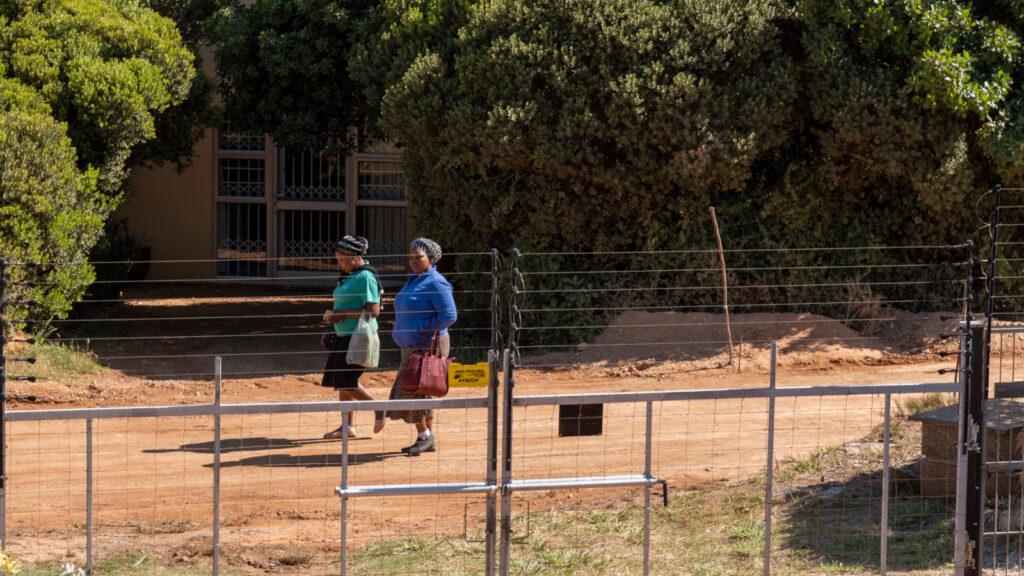
Under new laws, domestic workers unlawfully employed in South Africa will be entitled to claim the national minimum wage or other benefits, even if they are working illegally.
This is in addition to employers of such workers facing steep fines for flouting the country’s employment laws by hiring them, ranging from R100,000 to R1 million or 10% of turnover.
These are some of the changes contained in the new Employment Services Amendment Bill, which has officially been tabled in Parliament.
The bill aims to bring sweeping changes to the rules governing the employment of foreign nationals in South Africa.
The proposed laws were gazetted at the end of May after receiving Cabinet approval for introduction to Parliament.
They were handed to the Portfolio Committee on Employment and Labour for processing at the end of August, with the laws opened for public comment in September.
Broadly, the bill aims to tighten enforcement against the employment of undocumented foreign nationals in the country and forms part of the government’s response to illegal immigration.
The bill wants to close “loopholes” in the current labour laws, establish a legislative framework for labour migration, and protect jobs for South Africans by setting sector-specific quotas for foreign employment.
However, as part of this process, the bill also proposes steep penalties for employers in the country who step outside the boundaries.
These penalties are twofold: first, for unlawfully employing a worker; and second, for flouting other labour laws during employment, such as underpaying.
Under section 12D of the bill, employers may find themselves on the wrong side of South Africa’s other legislation, such as the National Minimum Wage Act.
One reason many private households opt to employ illegal foreign workers is that they believe they can evade onerous employment laws.
This includes paying lower wages or skipping administrative processes such as registering with the Compensation Fund and the Unemployment Insurance Fund (UIF).
However, the new Amendment Bill puts these benefits back in play through 12D.
“This provision…seeks to prevent unscrupulous employers from employing foreign nationals on terms and conditions of employment that are inferior to those provided for by labour legislation and collective agreements,” the department said.
“Labour inspectors and bargaining council agents are empowered to bring claims on behalf of these workers in circumstances where these workers are unable to personally enforce such claims.”
Equal rights

According to the law, an employee or worker unlawfully employed in the country is still entitled to enforce any claim they may have under any law against their employers.
These claims are valid insofar as they relate to their employment, and may be enforced on behalf of an employee or worker by a labour inspector under the National Minimum Wage Act or any employment law
as defined in the Basic Conditions of Employment Act.
They also relate to employees who would be covered by a bargaining council.
Employers could thus find themselves on the receiving end of even more trouble with labour inspectors, on top of having to pay the penalty for hiring a foreign worker illegally in the first place.
Most notably, the bill proposes imposing a R100,000 fine on employers hiring illegal foreign workers as a first offence.
This penalty can escalate to up to R1 million or even jail time if employers continue to disregard the country’s employment laws.
This applies to all employers, including private households.
Stakeholders have until 6 November 2026 to comment on the bill.
Written submissions should be addressed to the Portfolio Committee on Employment and Labour, for the attention of Mr Zolani Sakasa, by email at this email address: [email protected]
The full draft bill can be read below:














 Loading ...