

Trouble for anyone who owns a Chinese car in South Africa


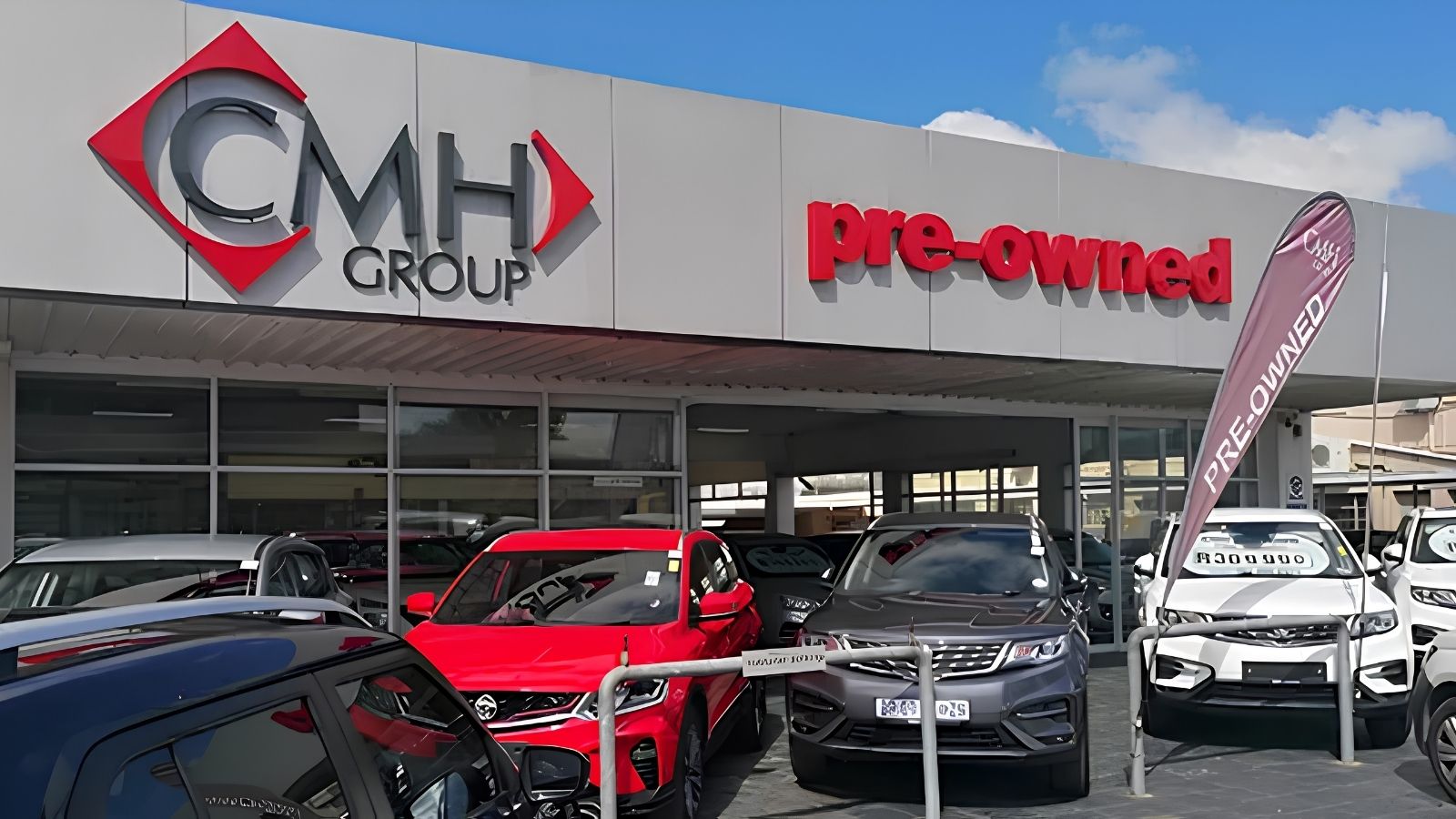
South African motorists who bought Chinese vehicles a few years ago are facing steep depreciation when wanting to trade them in, which has left some owners owing banks more than their cars are worth.
Combined Motor Holdings (CMH), one of South Africa’s major motor retail groups, highlighted the problem in its interim results for the six months ended 31 August 2026.
The group said the rapid expansion of Chinese vehicle brands has created opportunities for buyers but also introduced uncertainty around resale values and the long-term winners in an increasingly crowded market.
“Once again, the Chinese brands made a significant impact, with their share rising from 14.8% to 20% of national sales,” CMH said.
However, the group warned that the growing number of manufacturers and models makes it difficult to determine which brands will retain their value and remain competitive over the long term.
“The Group has exposure to a number of the Asian brands, but with the proliferation of products and brands, and increasing each quarter, it is impossible to identify all the potential long-term winners,” it said. For existing owners, the immediate concern is the second-hand market.
Vehicles from Chinese and other Asian manufacturers that entered South Africa at competitive prices four to five years ago are now reaching the stage at which their owners would typically consider trading them in.
But the depreciation of these vehicles has been sharper than many buyers anticipated, which has created a mismatch between their trade-in values and outstanding vehicle finance.
“The influx of Chinese/Asian brands that were introduced into the market at discount prices some four to five years ago is now at the recycle stage,” CMH said.
“However, the sharp depreciation in value of these vehicles has surprised owners and forced them to hold on for longer, until the trade-in values align with the residual amounts owed to banks.”
Because the vehicle is worth less than the outstanding finance, owners are having to delay trading it in or find additional money to settle the difference.
Second-hand parts sector booming
The pressure on resale values is also being compounded by competition from new vehicles.
Manufacturers have introduced aggressively priced models, while new-car prices have experienced negative inflation in recent years, making new vehicles more competitive against used alternatives.
CMH said demand for used vehicles had been negatively affected by “the continuing trend of buyers moving into the cut-price new vehicle offerings and the negative new car price inflation of the last few years”.
The group reported a 10% contraction in used-vehicle sales during the period, despite increasing its new-vehicle sales by 11.2%, outperforming the national market.
As more Chinese vehicles age and leave their original factory warranties, another change is emerging in the aftermarket parts business.
CMH said its alternative-parts supplier, MPD, which specialised in Chinese and Asian brands, had benefited from rising demand as owners increasingly turn to the secondary parts market to maintain their vehicles.
“The Group’s alternate parts supplier, MPD, specialises in the Chinese/Asian brands. It has welcomed the surge in demand as these vehicles age, exit their warranty periods and rely on the secondary part market,” the group said.
The group imports and distributes Foton light commercial vehicles, which have been well received and contributed significantly to earnings. However, supply-chain challenges have affected the consistency of deliveries.
“Sales over the past few months have been erratic because of unreliable shipping movements and inefficient Durban port operations,” CMH said.
Despite these pressures, the group delivered stronger overall financial results. Revenue increased by 6.6% to R8.10 billion, while operating profit rose 13.9% to R368.4 million. Headline earnings per share climbed 18.6% to 261 cents.
| 6 Months Ended 31 August 2026 | 6 Months Ended 31 August 2025 | Change (%) | |
|---|---|---|---|
| Revenue | R8,101,270,000 | R7,600,901,000 | +6.6% |
| Operating Profit | R368,442,000 | R323,542,000 | +13.9% |
| Total Profit & Comprehensive Income | R185,545,000 | R164,595,000 | +12.7% |
| Headline Earnings Per Share (HEPS) | 261 cents | 220 cents | +18.6% |
| Basic Earnings Per Share (EPS) | 267.3 cents | 220 cents | +21.5% |
| Dividend Per Share | 148 cents | — | — |
| Cash Resources | R899,468,000 | R774,515,000 | +16.1% |
| Net Asset Value Per Share | 2,153 cents | 1,913 cents | +12.5% |
| Total Assets | R5,810,019,000 | R5,309,513,000 | +9.4% |














 Loading ...