

South African who grew up barefoot with no water and electricity, and built an iconic app that made R25 billion in one year



Vutlharhi “Donald” Valoyi grew up barefoot in a rural village in Limpopo without electricity or piped water.
Today, he is the founder of Zulzi, the technology company that helped build Checkers Sixty60, which generated R25.5 billion in sales for Shoprite in the 2026 financial year.
Valoyi grew up in Ntshuxi village near Giyani in Limpopo and began his journey with the ambition to become an engineer.
“If I recall back then, we didn’t even have electricity. We didn’t have water. It was standard in a lot of villages, you go to a river to try to get some water,” he said in an interview with Startup Club ZA.
One early example of his resourcefulness came in primary school, when he lost his textbooks and built and sold three toy cars to raise R10 to replace them.
His ambitions also came from the importance of mining in Limpopo, which encouraged him to pursue engineering. However, a shortage of teachers meant higher-grade mathematics was not available at his school.
“It was very clear that with students in grade 12, there was just no maths at a higher grade. I had to do my own research, ask around, and to me, it became clear that I was facing a massive challenge,” he said.
Because of this, Valoyi spent his December holiday working through the mathematics syllabus and past examination papers.
“I didn’t have to wait for January because, funny enough, our teacher at the time didn’t even teach higher-grade maths. I had studied the whole syllabus by the time the school reopened,” he said.
Following school, he enrolled at the University of the Witwatersrand in 2004 and graduated in 2007 with a Bachelor of Science degree in Applied Mathematics.
Valoyi subsequently worked as a software engineer and Java developer before moving into technical leadership at First National Bank in 2011.
The beginning of Zulzi
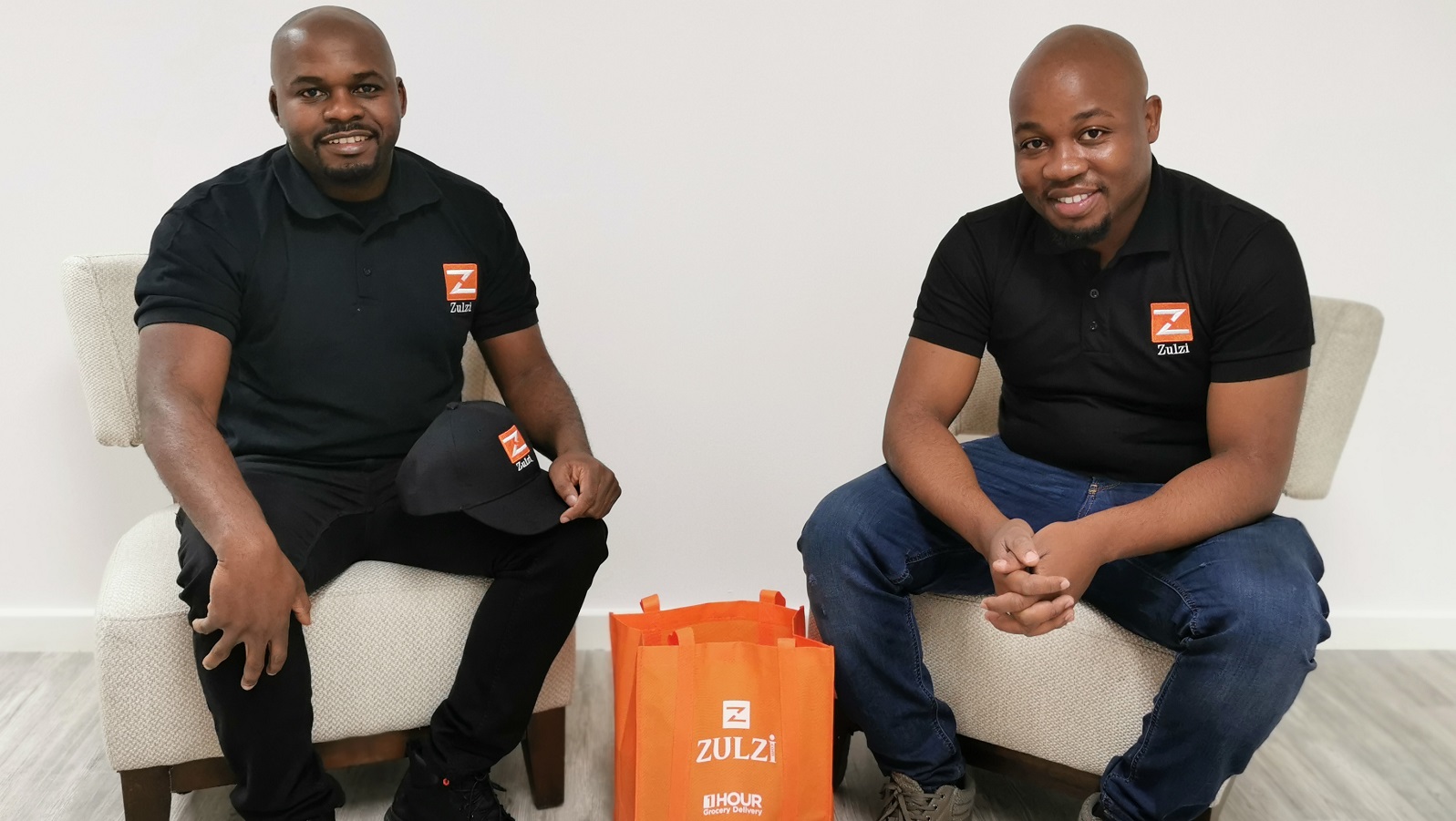
In 2013, he left to launch Zulzi, initially an e-commerce platform targeting students with books and electronics delivered within an hour or less. “That’s when the idea of starting an on-demand delivery platform started,” he said.
The business eventually evolved into an online convenience store, but a major opportunity emerged when Shoprite began looking for technology solutions to strengthen its grocery delivery capabilities.
Valoyi said Checkers took an interest in Zulzi because the retailer was looking for systems that could address complex operational challenges.
“We started to chat to them when they realised that we could build world-class systems that address some of their complex problems,” he said.
The partnership began in 2018, with Zulzi helping develop the technology behind Sixty60 before the service launched in November 2019.
Zulzi built the original customer-facing app, store-facing application, operational dashboards, order-allocation engine, and integrations with SAP point-of-sale systems.
Although Sixty60 was developed in-house by Shoprite’s digital innovation hub, ShopriteX, it was heavily supported by external software development partners, including Zulzi.
“Zulzi plays a major role in maintaining Sixty60, with over 34 engineers, project managers, and quality assurance coming from us,” the company previously said.
The service’s subsequent growth has helped transform Shoprite’s business, with the Covid-19 pandemic accelerating demand for grocery deliveries.
However, its success also took years of investment in technology, logistics, and digital retail capabilities.
According to Shoprite’s 2026 financial results, Sixty60 generated R25.5 billion in sales, up 34.7% year on year.
The platform accounted for 11.1% of the group’s Supermarkets RSA sales, illustrating how online shopping has become a significant part of its retail operations.
“Sixty60 has been a huge success and an example of what we can do when we work together,” Valoyi said.
Zulzi has continued operating its own delivery service. In August 2024, it told MyBroadband that it was processing more than 5,000 orders a day through its dark stores in Johannesburg North, Pretoria and Centurion, with 300 drivers on its network.
The company said it was growing by 80% year-on-year and had an average delivery time of 17 minutes.

















 Loading ...