

Call for Covid-era level 3 lockdown rules in South Africa


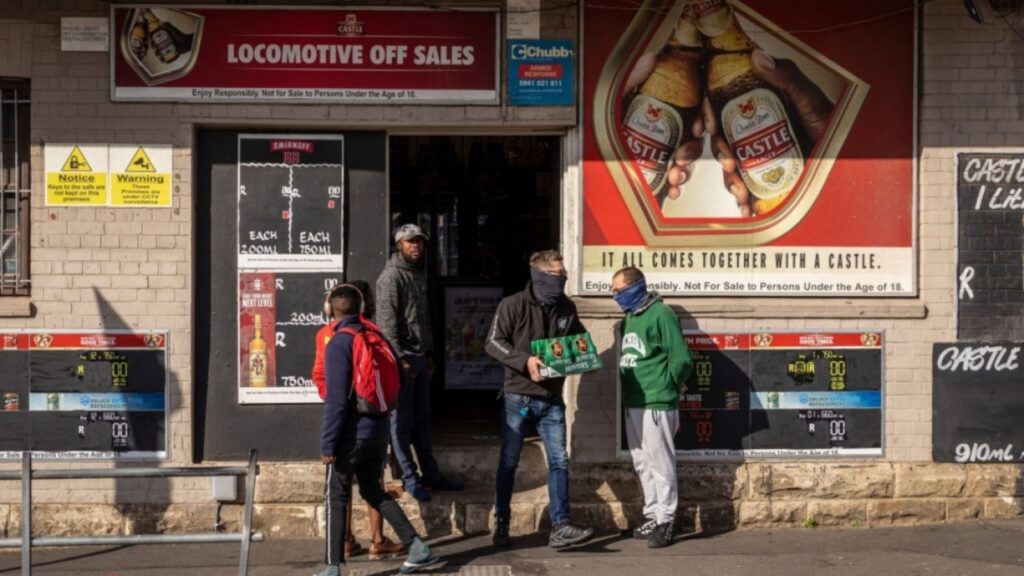
South Africa must introduce stricter alcohol trading restrictions similar to some of the measures imposed during the Covid-19 lockdown, with bars, taverns, and restaurants required to stop selling alcohol at midnight.
This is the call from the DG Murray Trust (DGMT). The organisation’s campaign argued that limiting late-night alcohol sales could reduce binge drinking, violent crime, and road accidents, while easing pressure on the public healthcare system.
The campaign’s call comes as DGMT takes its legal challenge against extended liquor trading hours in the Northern Cape to the Constitutional Court, following a partial victory in the Northern Cape High Court.
Kashifa Ancer, project lead of Rethink Your Drink, said evidence linked longer alcohol trading hours to higher consumption and increased harm, particularly when establishments remained open into the early morning.
“The trends essentially show that the later you stay open, the higher the risk of violence and the higher the risk of road accidents occurring,” she said.
Ancer said sales between midnight and 06:00 were particularly concerning because of their association with interpersonal violence and other alcohol-related incidents.
The proposal would not prohibit alcohol sales altogether. However, it would restrict the hours during which establishments that sell alcohol for consumption on their premises, including taverns, bars, restaurants, and shebeens, could operate.
The approach is similar to restrictions introduced during the Covid-19 pandemic, when the government limited alcohol sales and imposed curfews to reduce pressure on hospitals and trauma units.
This proposal shares the same logic as the alcohol trading restrictions and curfews enforced under South Africa’s Disaster Management Act during Covid-19 Alert Levels 2 and 3.
During the pandemic, restrictions on alcohol availability were associated with substantial reductions in trauma cases, including injuries linked to assaults and road accidents.
DGMT argued that limiting access during high-risk hours could similarly help prevent avoidable injuries and free up healthcare resources.
Heavy drinking cost South Africa R433 billion a year

The organisation believes provincial governments should consider these public health consequences when deciding whether to extend liquor trading hours.
South Africa’s liquor laws divide responsibilities between national and provincial governments, which results in different trading-hour rules across the country.
Some provinces impose earlier closing times, while others permit alcohol sales into the early morning.
The Northern Cape dispute centres on the province’s Gambling and Liquor Act of 2024, which allowed extended trading hours.
The High Court found that the provincial government had failed to conduct proper public consultation before passing the law, rendering the consultation process and the legislation invalid.
DGMT has asked the Constitutional Court to confirm this ruling, as required by law.
It is also appealing aspects of the judgment in which the High Court declined to make findings about the broader constitutional implications of extended trading hours for public health, safety, dignity and children’s rights.
“The Constitutional Court case is the next step in DGMT’s ongoing legal challenge concerning the Northern Cape liquor law,” Ancer said.
She argued that provincial legislatures had a responsibility to protect communities from preventable harm when making decisions about alcohol regulation.
“Liquor legislation cannot be divorced from the negative social and health conditions that result from heavy drinking, including violence, pressure on public healthcare systems, and babies born with Foetal Alcohol Spectrum Disorder,” she said.
DGMT estimated that heavy and binge drinking cost South Africa approximately R433 billion annually.
The organisation argued that the economic contribution of the alcohol industry must be weighed against these wider social and healthcare costs.
However, Ancer said shorter trading hours alone would not resolve the problem. The campaign also supports restrictions on alcohol advertising, limits on the density of liquor outlets, minimum unit pricing and changes to alcohol excise taxes.















 Loading ...