

Small South African towns that have banned streetlights and some perimeter security fences


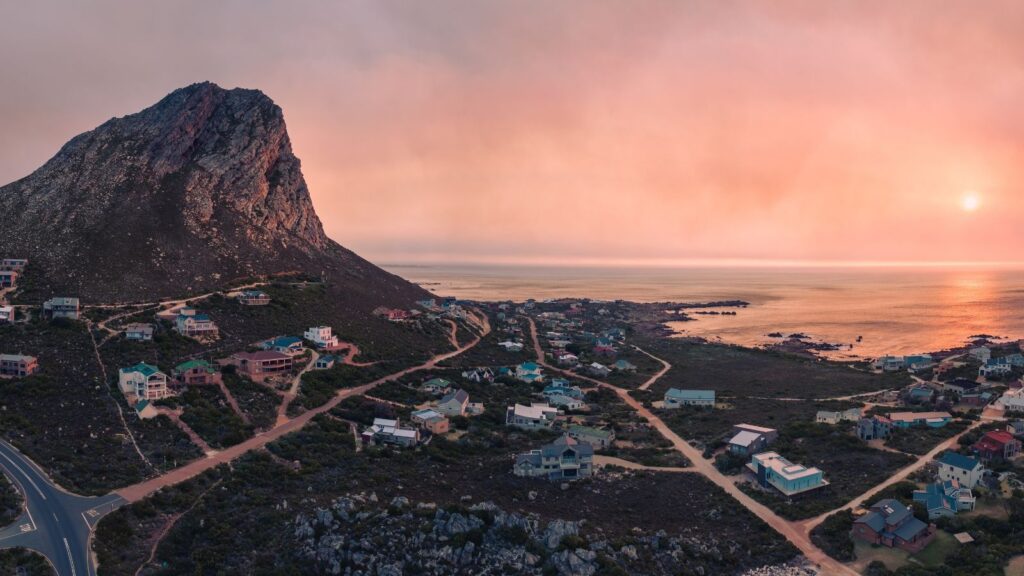
A handful of small coastal towns in the Western Cape have restrictions on streetlights, security fences and other perimeter barriers.
Betty’s Bay, Pringle Bay, and Rooi-Els, situated along the Hangklip coast, fall under the jurisdiction of the Overstrand Municipality.
However, they also form part of the Kogelberg Biosphere Reserve, a UNESCO-designated area known for its biodiversity.
The villages have planning restrictions intended to preserve their rural character, limit artificial light pollution, and allow wildlife to move freely between the mountains, fynbos, and coastline.
The restrictions are set out in the Hangklip Villages Conservation Overlay Zone (HCOZ), the Overstrand Municipality Land Use Scheme, and the municipality’s Fences and Fencing By-law.
One of these provisions concerns conventional streetlights, which are not permitted in the villages unless a specific threshold of property owners supports their installation.
Under the conservation overlay provisions, streetlights may not be erected unless documented votes in favour have been obtained from 66% of registered property owners in the respective village.
The restriction is intended to preserve the area’s dark-sky environment and limit the impact of artificial lighting on nocturnal wildlife.
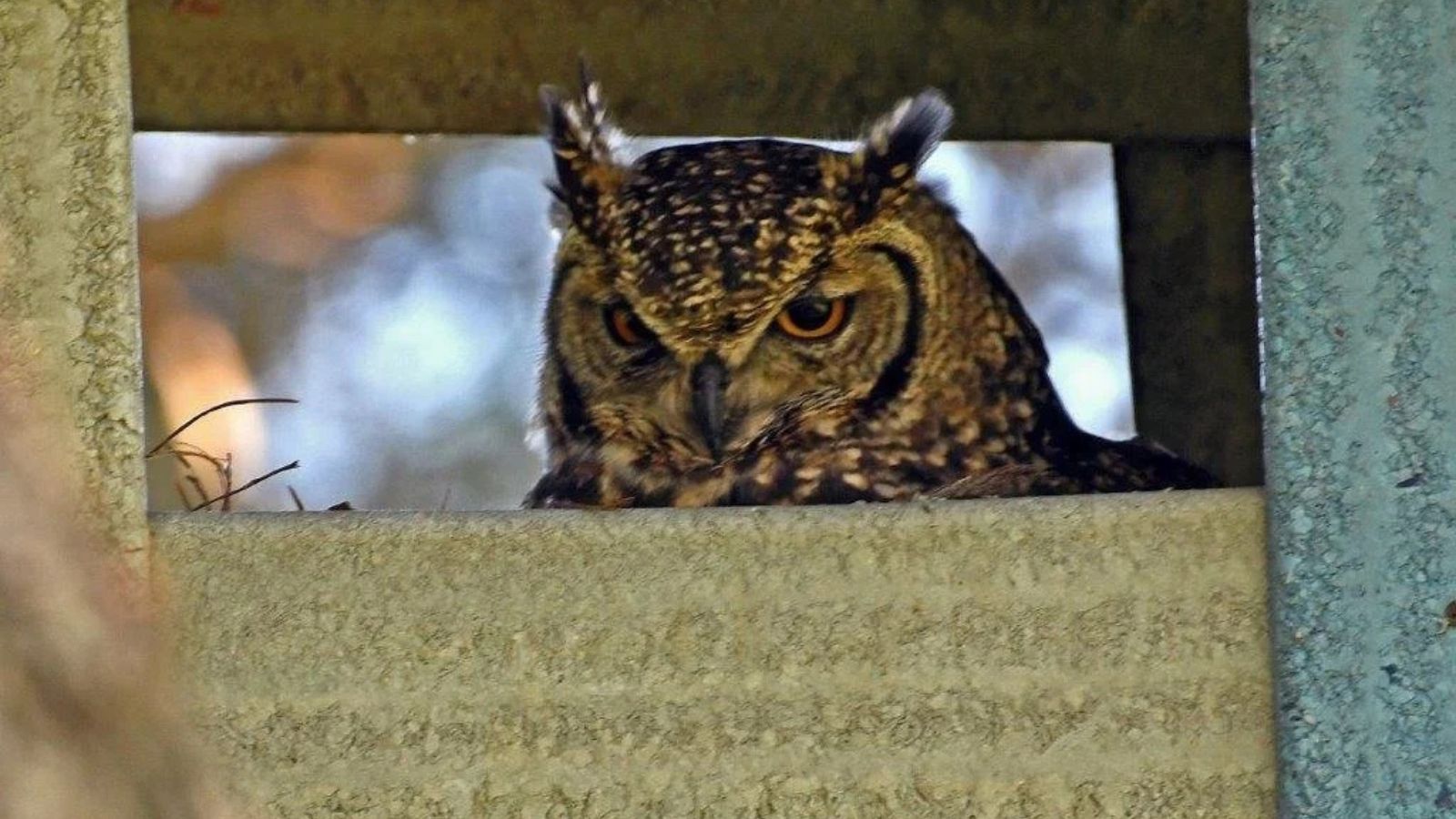
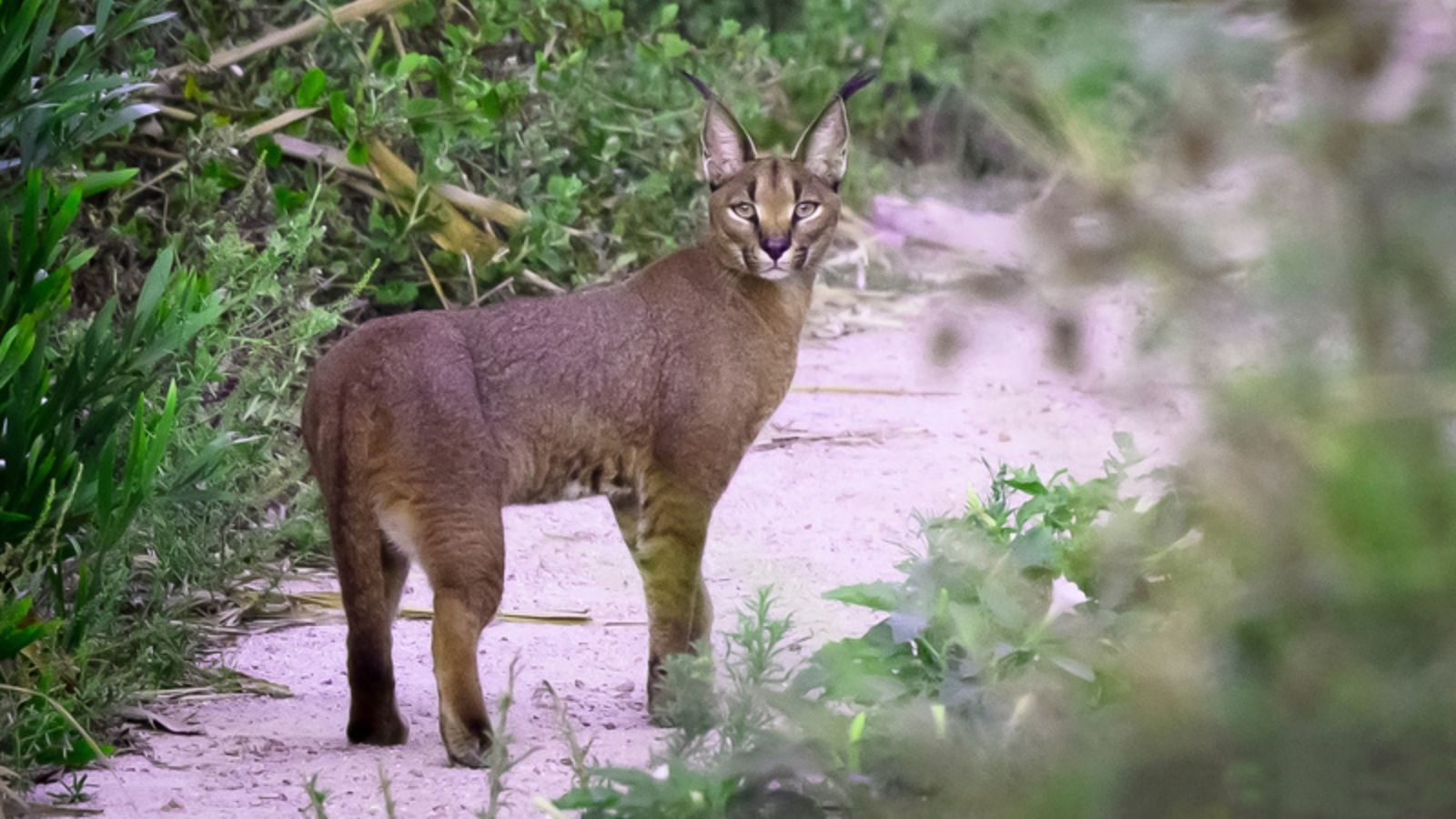
Animals such as caracals, owls, bats, and Cape grysbok rely on natural darkness for their behaviour, feeding and movement. Artificial lighting can interfere with these activities and affect insects, coastal birds, and marine life.
The municipality also regulates outdoor lighting on individual properties to prevent excessive light from spilling into neighbouring properties and public spaces.
Property owners are encouraged to direct external lighting downward rather than allowing it to spill over property lines.
Sensor-operated lights are also recommended as an alternative to permanent lighting because they remain off when not in use.
The regulations also specify what constitutes a public nuisance. This includes lighting with a source intensity exceeding 500 candela, illumination exceeding three lux, or an upward light ratio greater than 2.5%, measured from a street, public place or property boundary.
Electric fence restrictions

Security infrastructure is also subject to restrictions, especially where it could obstruct wildlife movement or create hazards for animals.
The municipality’s Fences and Fencing By-law requires prior written consent from the municipality for certain perimeter barriers.
These include electrified fences and barriers fitted with barbed wire, spikes, or other sharp protrusions.
Electrified fencing is generally only permitted above a wall at least 1.8 metres high, subject to compliance with the relevant electrical safety regulations.
Without municipal consent, fences along lateral and rear property boundaries may not exceed 1.8 metres, while fences within 4.5 metres of a street boundary may not exceed 1.2 metres.
The Overstrand Land Use Scheme also outlines parameters for boundary walls and fences, including a general maximum height of 2.1 metres, with electric fencing permitted above that height.
These restrictions are relevant in Betty’s Bay and the surrounding villages, where residential properties are situated within an environmentally sensitive landscape.
Wildlife, including tortoises, porcupines, small antelope and baboons, regularly moves through the area.
Solid walls and poorly designed security barriers can obstruct these routes, while electrified or sharp ground-level barriers can injure or kill smaller animals.
The regulations are intended to balance property security with environmental protection and ensure that residential development does not unnecessarily fragment natural habitats.
For homeowners in these areas, this means that installing conventional streetlights, building high boundary walls or adding certain security features is prohibited without municipal approval.
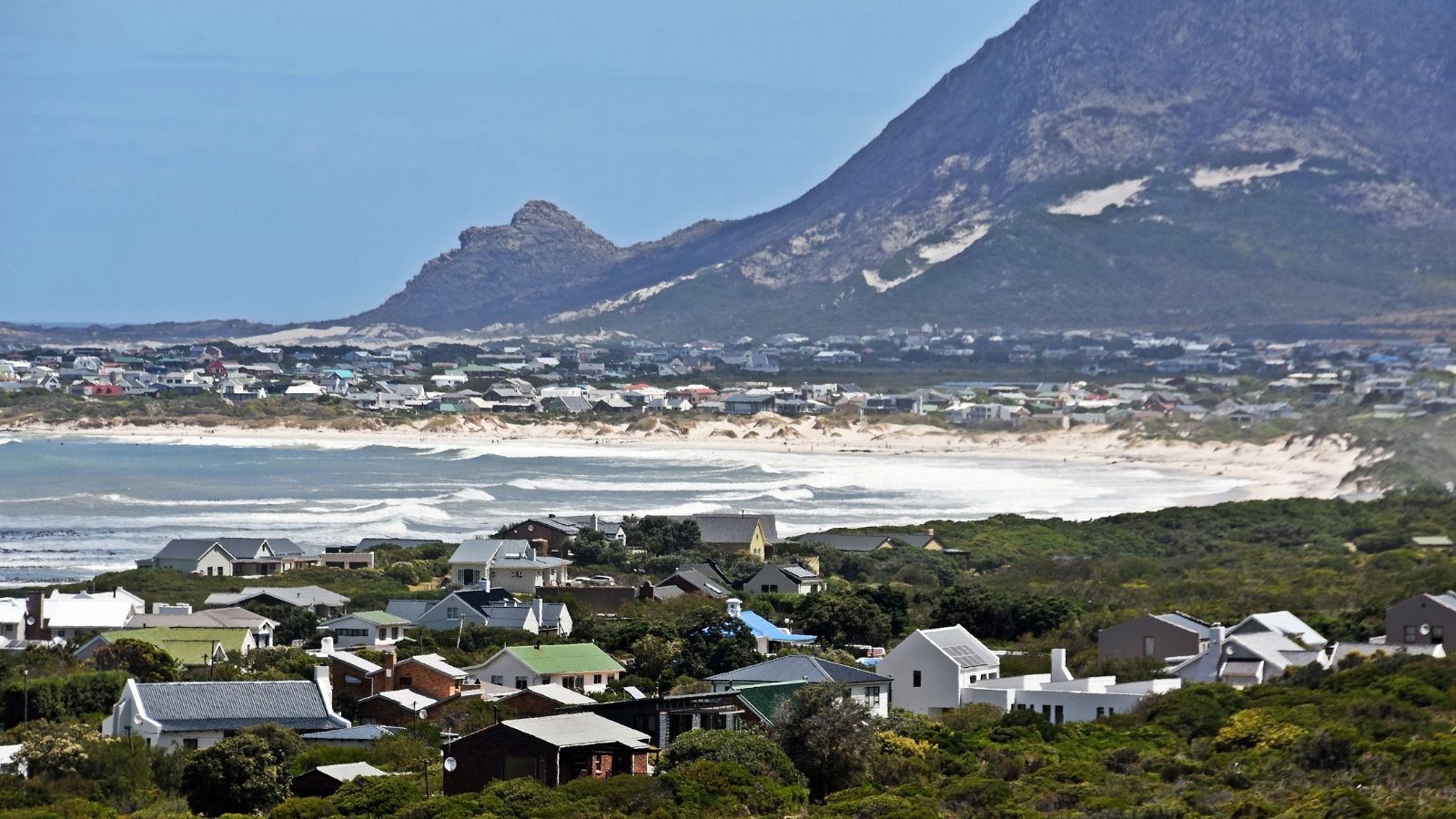
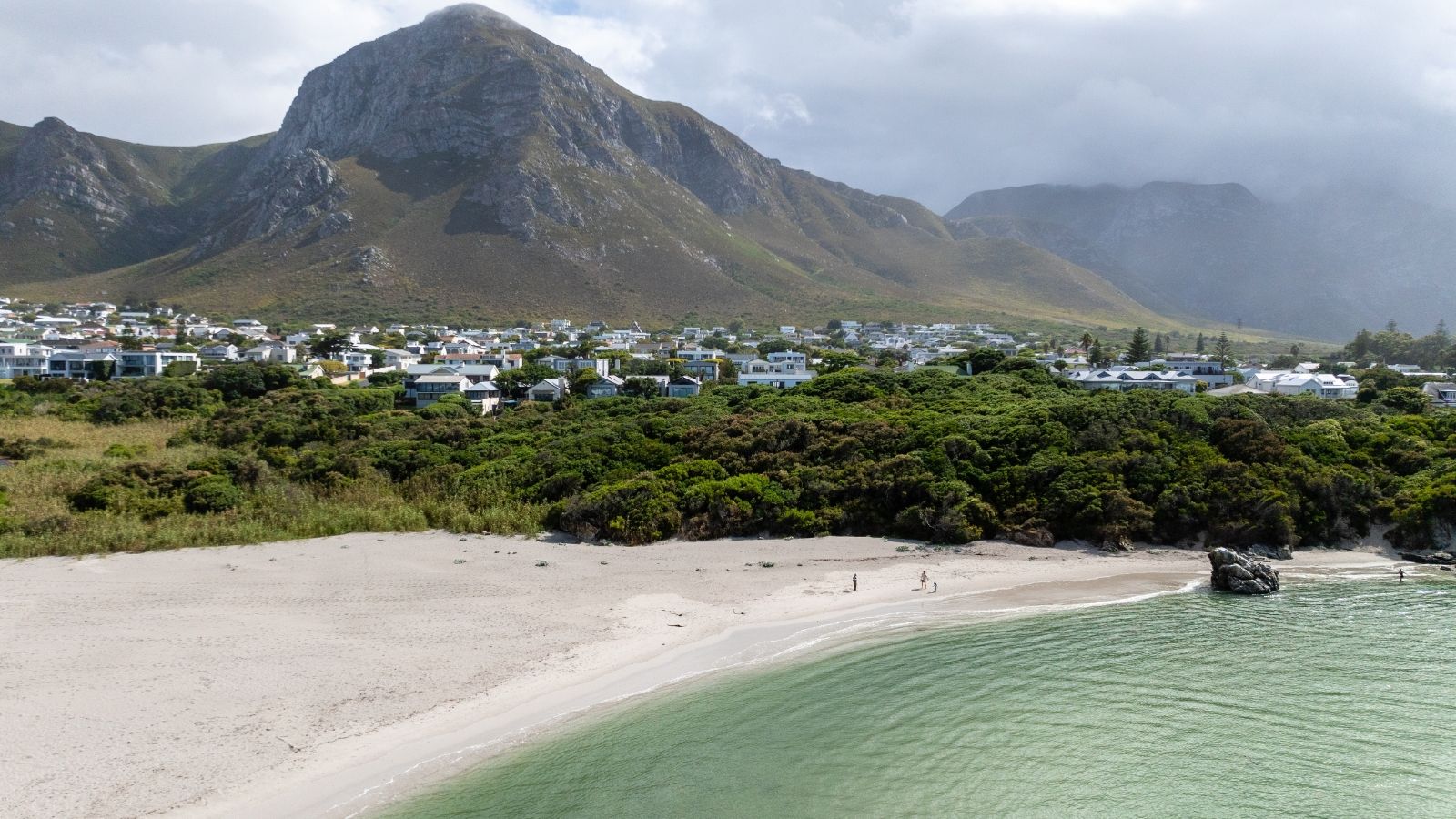
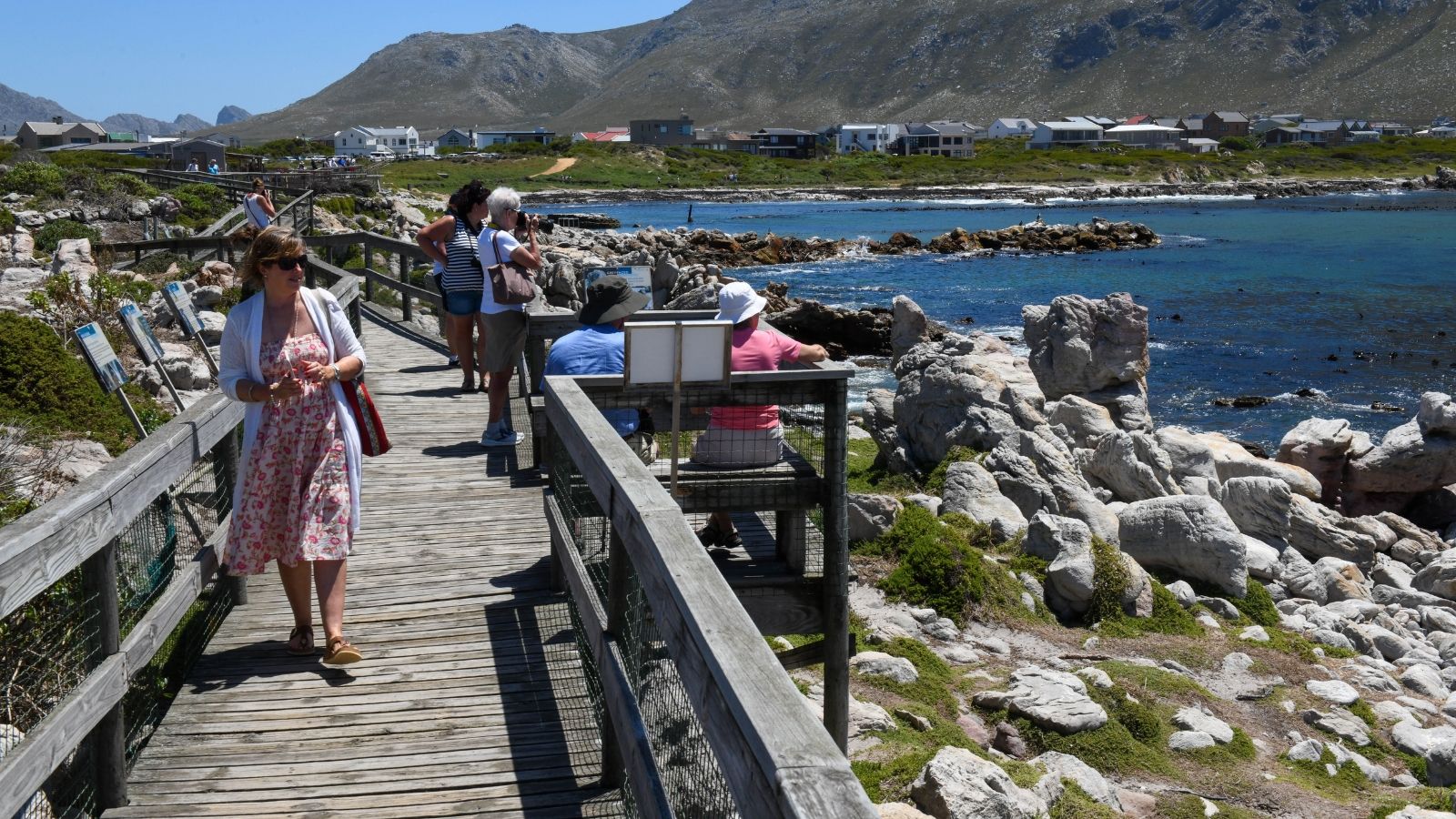
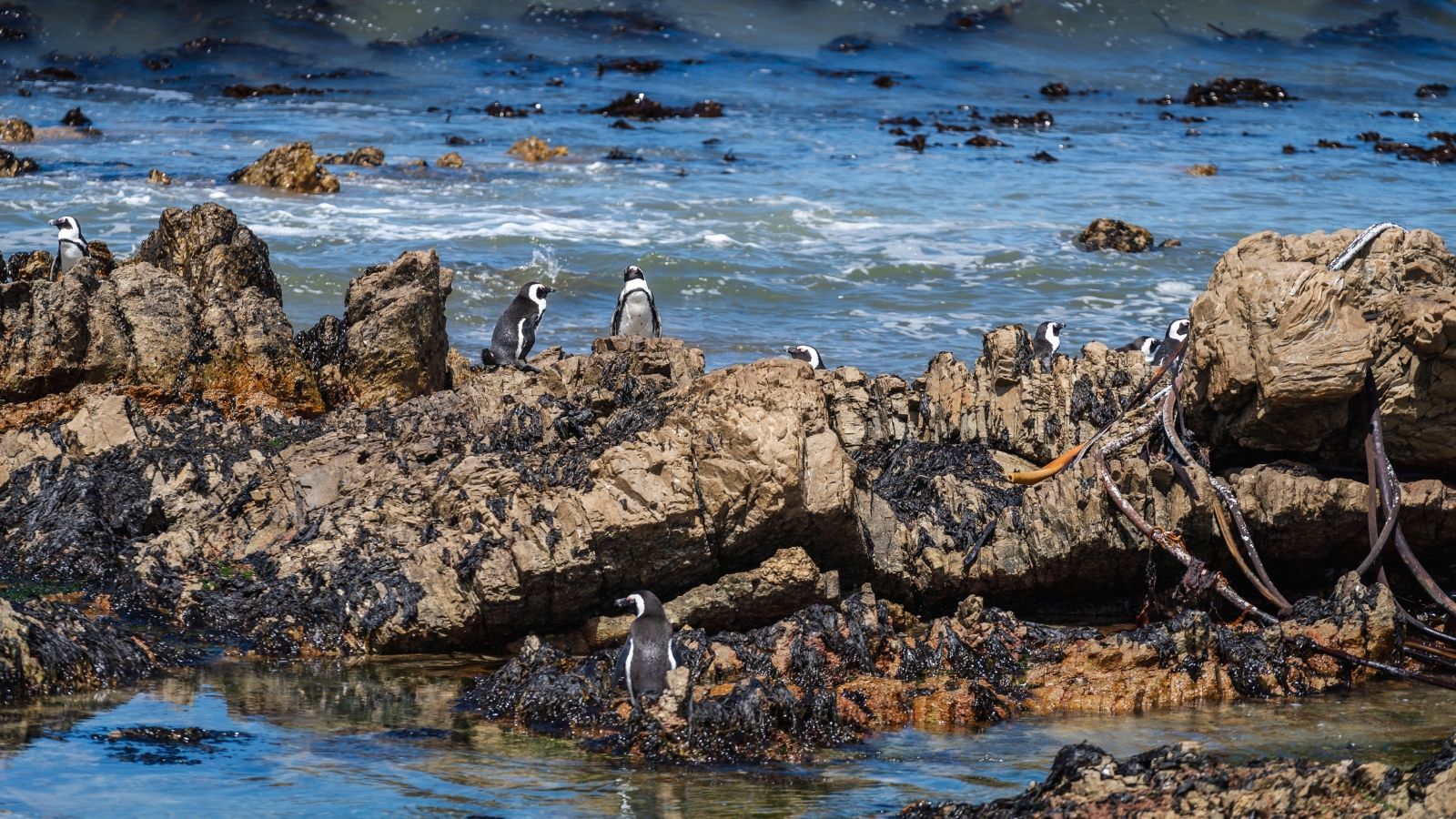
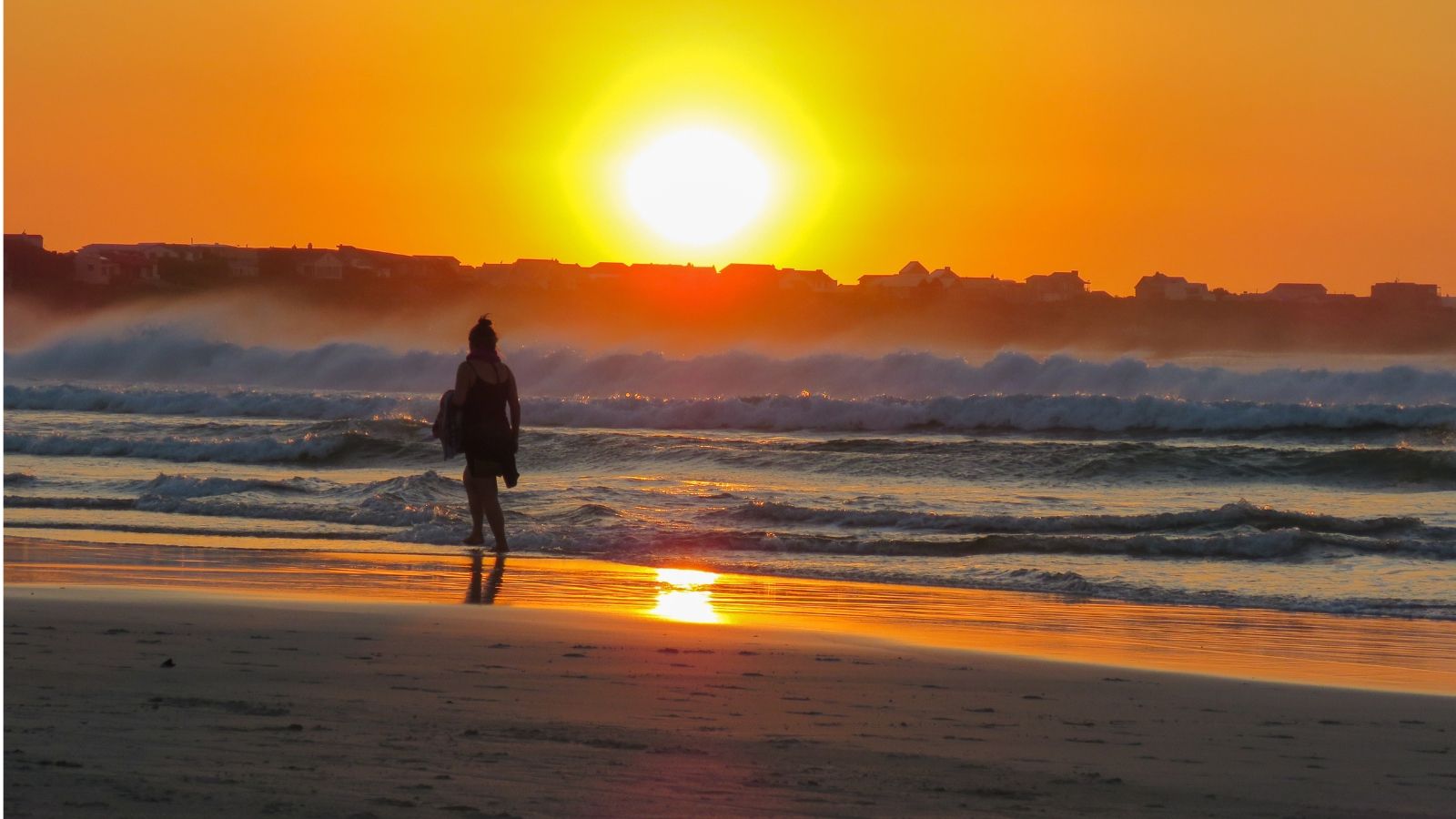
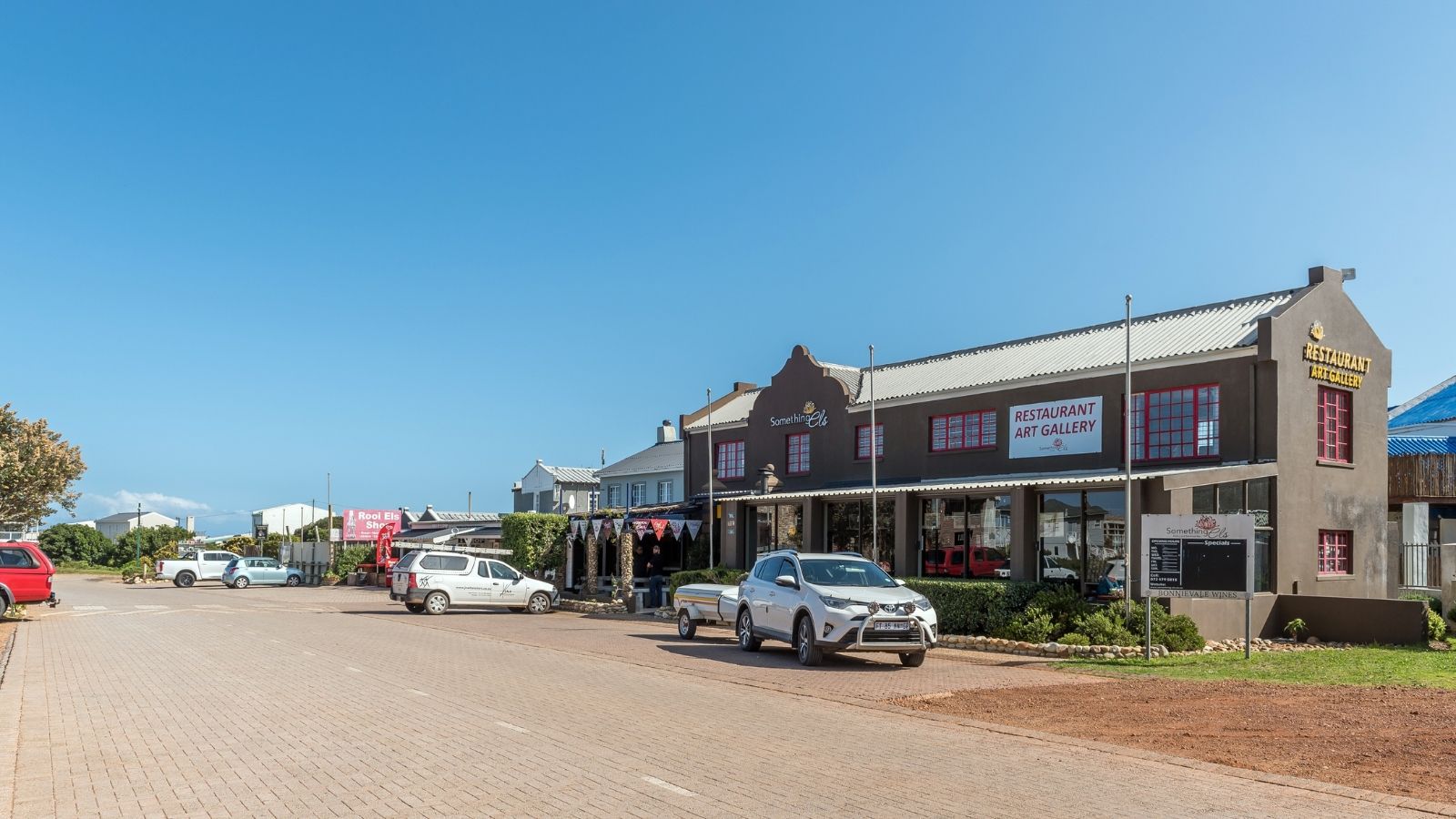
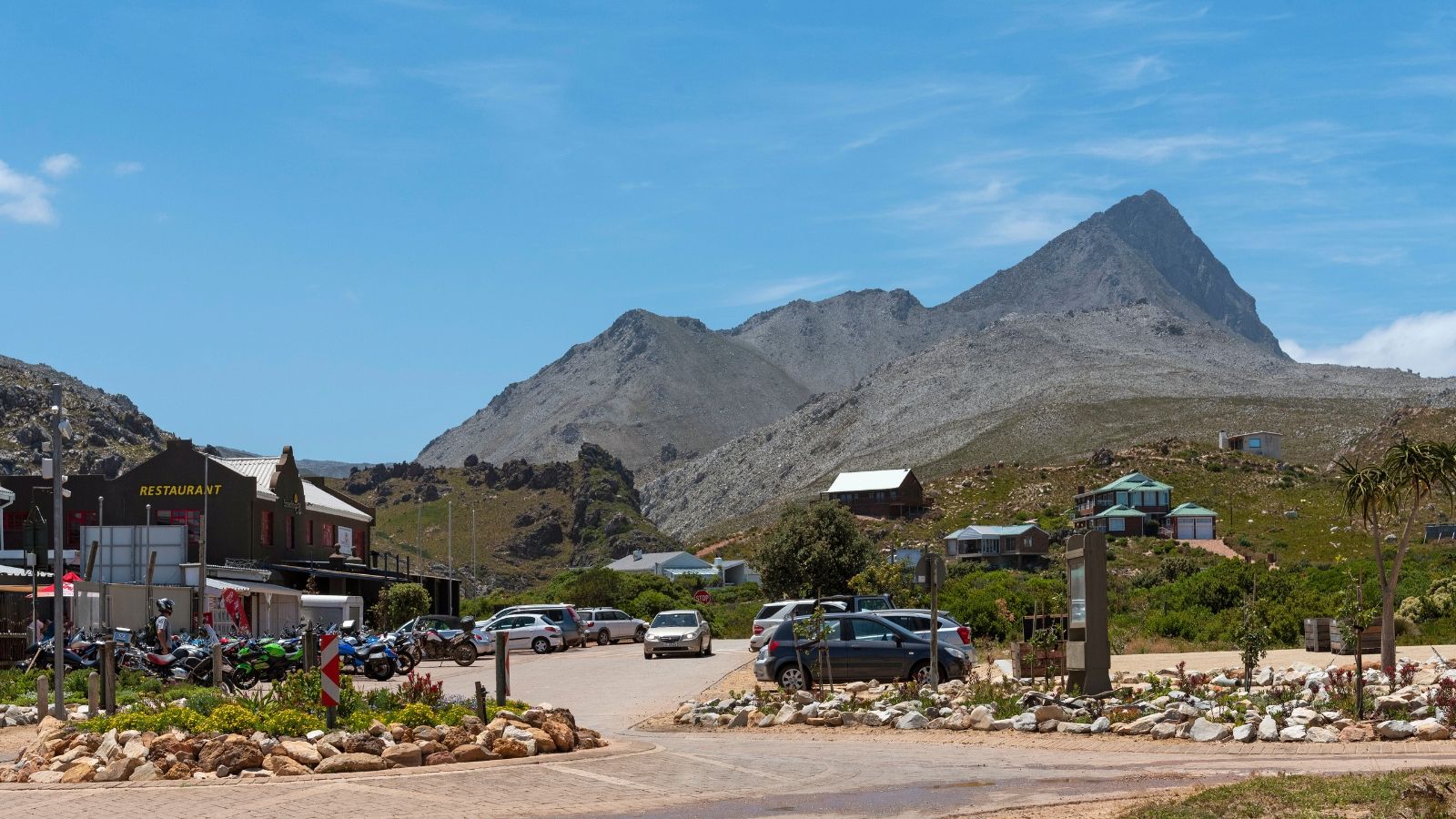
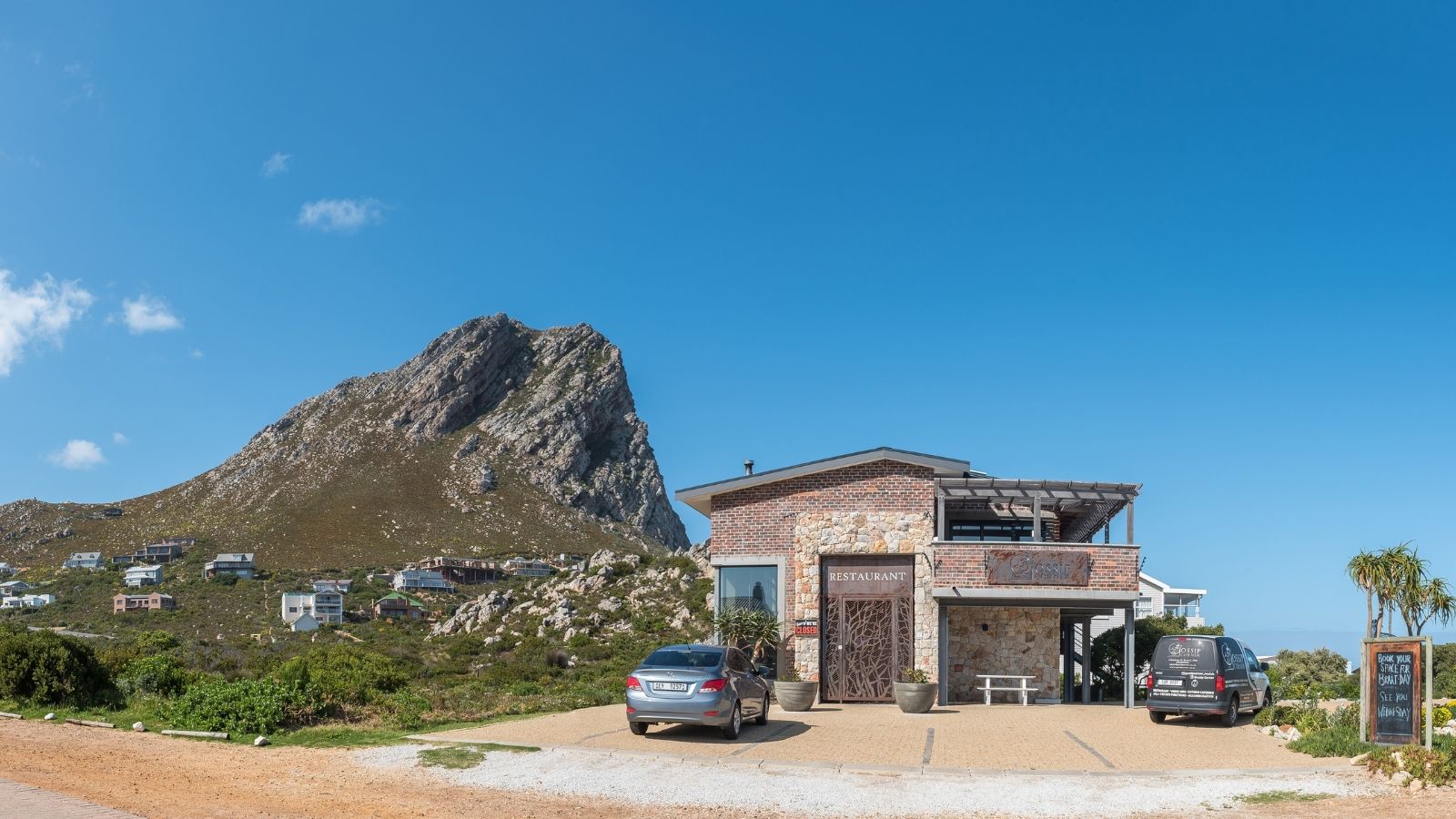
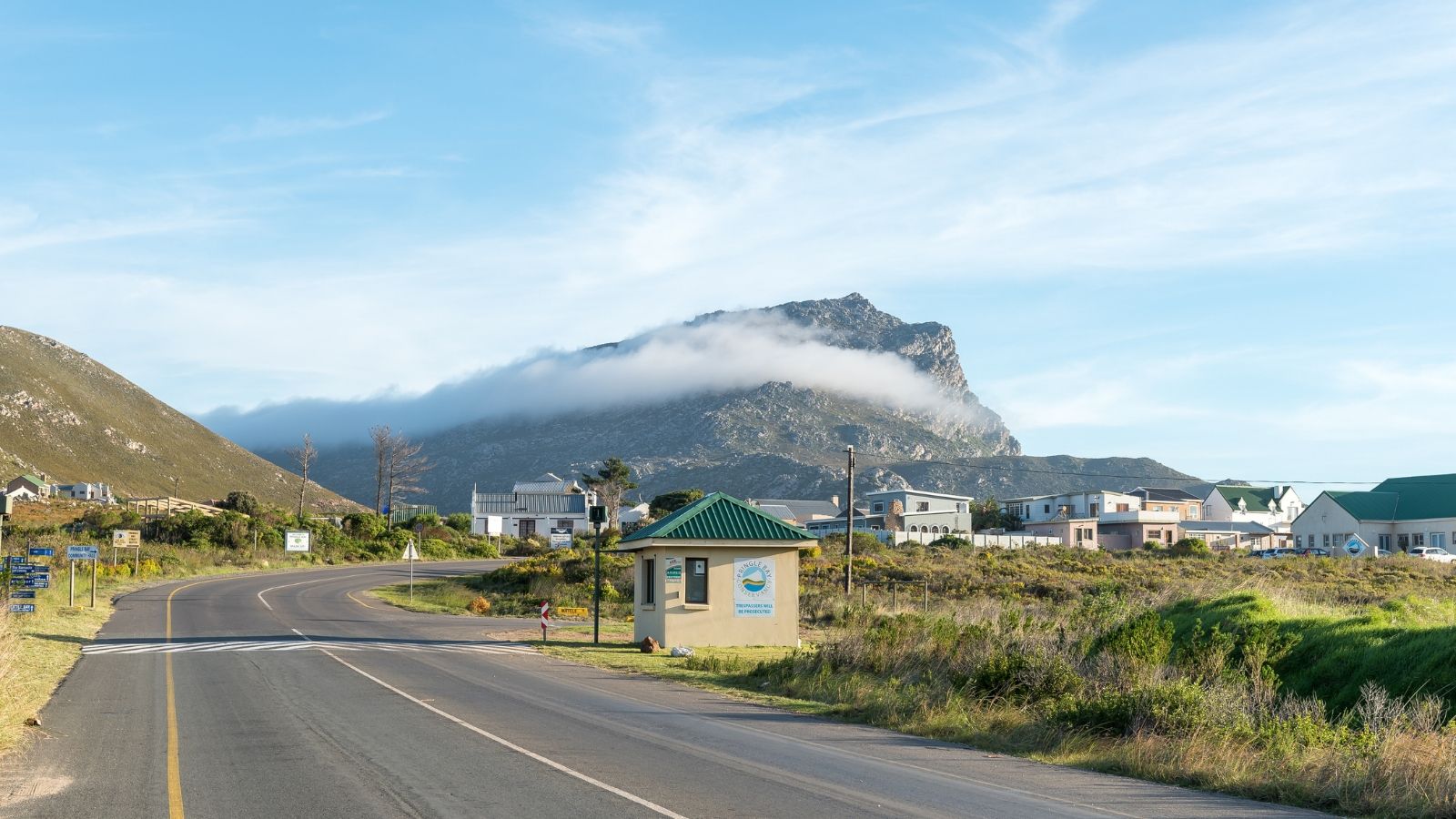
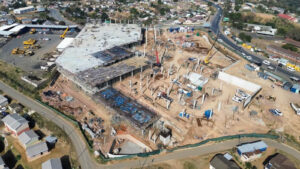
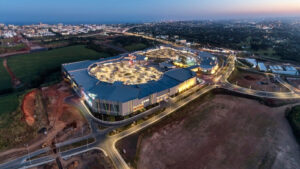
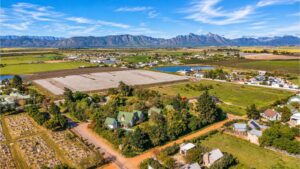
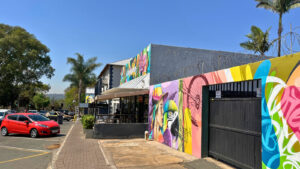
Photos of towns in the Kogelberg Biosphere Reserve












 Loading ...