

So many South Africans flooded into one country that it removed visa-free access


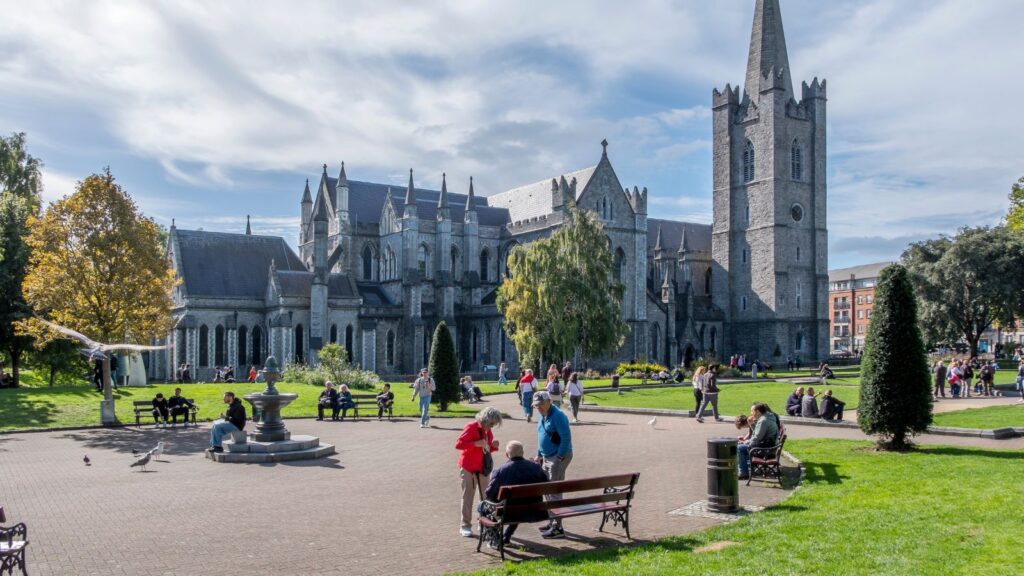
Ireland ended visa-free travel for South Africans in 2024 after concerns over passport security and an increase in international protection claims from South Africa, but the move has done little to reduce the number of South Africans looking to relocate.
Ireland continues to attract thousands of South African visitors and skilled professionals, with the country remaining one of the most popular destinations.
Ireland introduced visa requirements for South African and Botswanan nationals on 10 July 2024.
The restrictions applied to both entry and transit, meaning South Africans travelling through Ireland to another destination also needed to obtain a visa.
Before the change, Ireland was one of the few European countries that South Africans could visit without securing a visa in advance.
The decision came despite relatively strong economic and diplomatic ties between the two countries.
Irish authorities cited growing concerns about the security of South African passports, including cases involving foreign nationals travelling on forged or fraudulent documents.
Between 2022 and 2024, several Pakistani and Indian nationals were caught attempting to travel using fake South African passports.
The issue also attracted attention as early as 2022, when Irish airline Ryanair introduced a controversial Afrikaans language test for passengers presenting South African passports, before abandoning the practice following criticism.
Another factor was the increase in South Africans arriving in Ireland and subsequently applying for international protection.
Ireland’s Minister of State for International Development and Diaspora, Neale Richmond, described the visa decision as harsh but necessary.
He said there had been a 100% increase in people arriving from South Africa and Nigeria, predominantly South Africans, and claiming international protection.
Ireland was also experiencing broader immigration pressures following the Covid-19 pandemic, with its immigration system struggling to process applications as quickly as people arrived.
The decision was also influenced by the United Kingdom, which had also introduced visa requirements for South Africans.
Ireland and the UK share a Common Travel Area, an arrangement allowing British and Irish citizens to move and reside freely between the two jurisdictions.
Still swapped with applications
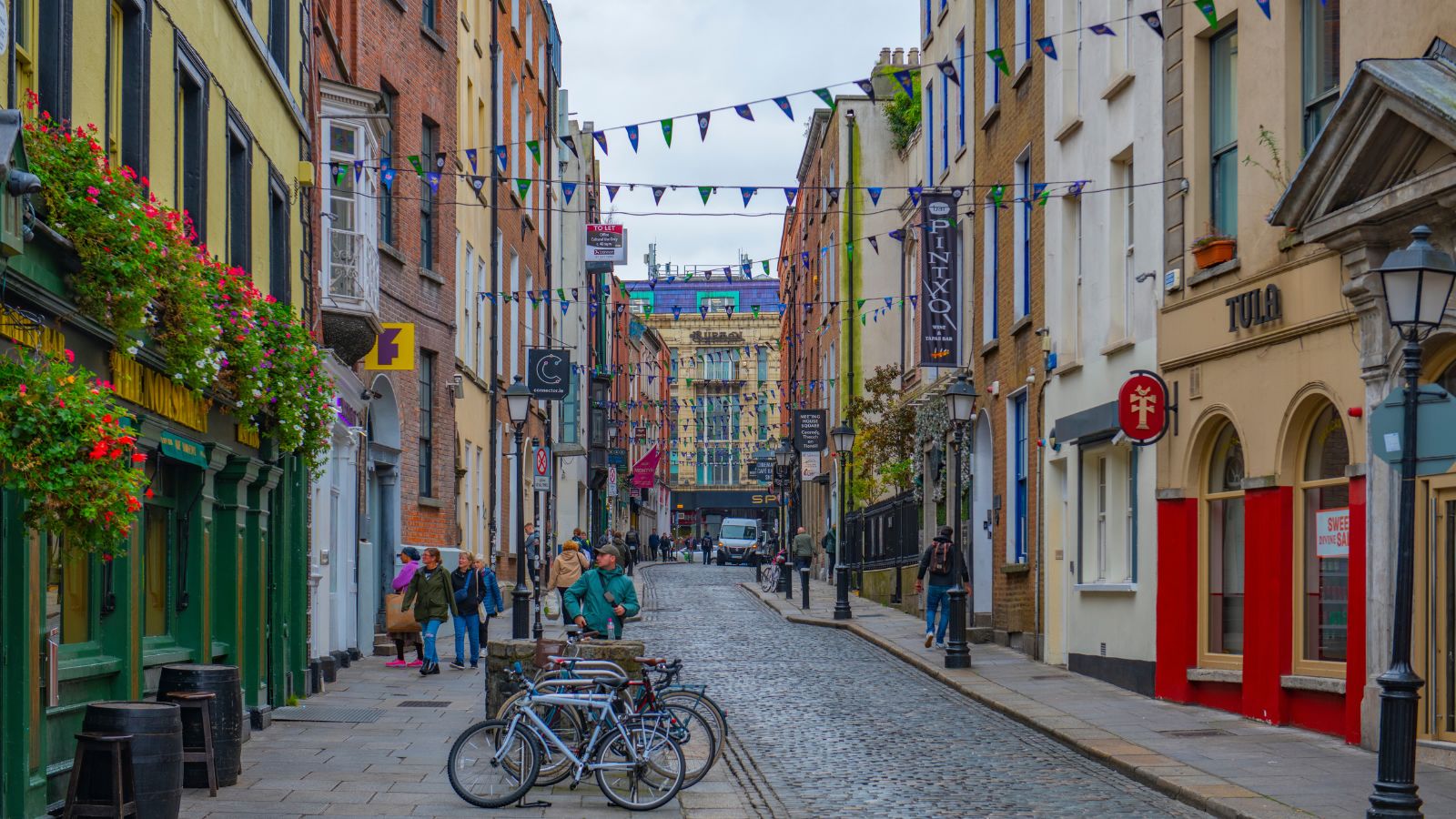
Due to the sheer number of South African applicants, Ireland established a dedicated South Africa visa desk in Dublin and opened three Visa Application Centres in South Africa through VFS Global.
Despite the additional requirements, the visa system has not stopped South Africans from travelling to Ireland.
Figures supplied by Irish authorities show that 16,447 visas were granted to South Africans between July 2024 and November 2025, compared with 1,132 refusals among the 17,579 applications decided during the period.
This represents an approval rate of approximately 93.6%. The introduction of pre-travel screening has also coincided with a substantial reduction in South African international protection applications.
According to figures presented to the Irish Parliament, just 73 applications were lodged by South African nationals during 2025, out of 13,160 applications received nationally.
This compares with the country’s position before the visa restrictions, when South Africa was among Ireland’s five most common nationalities for international protection claims.
This means that the requirement for travellers to obtain visas before departure has made it more difficult for people to enter Ireland without an approved travel purpose and, subsequently, to lodge protection claims.
However, the restrictions have not closed the door to skilled migration.
Employment permit figures from Ireland’s Department of Enterprise, Trade and Employment show that South Africans received 1,631 employment permits in 2024, up from 1,346 in 2023 and 1,317 in 2022.
In 2025, South Africa remained Ireland’s sixth-largest source of employment permit holders, behind India, the Philippines, Brazil, China and Pakistan. By September 2026, another 1,117 permits had already been issued to South African nationals.
Ireland’s Central Statistics Office recorded 15,886 South African nationals in the country in its 2022 census, compared with 3,208 in 2016.
This increased to 18,857 by mid-2024, representing a 44.2% increase since 2020, when the population stood at 13,073.

















 Loading ...