

European restrictions on the cards for important South African industry


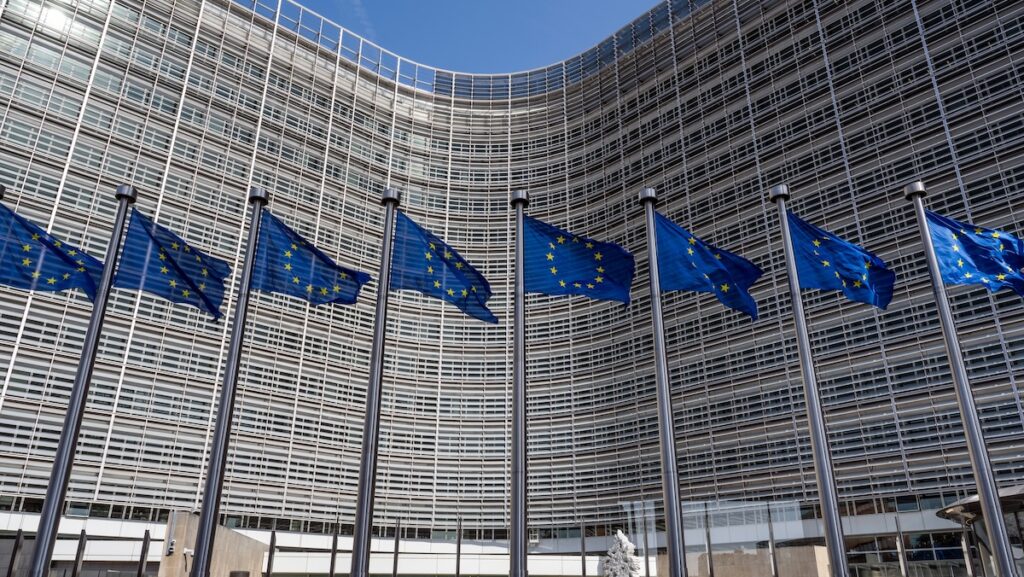
South Africa will seek an exemption or a country-specific quota if the European Union imposes safeguard measures on hybrid-vehicle imports.
The Department of Trade, Industry and Competition is assessing whether the country qualifies for an exemption under World Trade Organisation rules and will submit formal comments to the European Commission, the department’s deputy director-general, Xolelwa Mlumbi-Peter, told lawmakers on Tuesday.
If implemented, the EU import restrictions would pose a risk to South Africa’s auto sector as local manufacturers pivot away from internal-combustion engines toward new-energy vehicles, with about R36 billion worth of exports potentially being affected, she said.
The European Commission initiated a safeguard investigation on 30 October into global imports of new hybrid passenger vehicles, citing a 49% surge in shipments between 2023 and the 12 months ended June 30.
The EU argued that low-priced imports driven by rapidly growing production and trade restrictions elsewhere have eroded the market share and profitability of European automakers, threatening the industry.
Under WTO and EU safeguard rules, individual developing nations are exempted from tariffs or quotas if they account for less than 3% of the bloc’s imports of a targeted product, but this provision is voided if the collective share of all developing countries exceeds 9%.
“We will definitely push to negotiate a country-specific quota, so that we are able to safeguard our exports, similar to what we have managed to negotiate in terms of a country-specific quota on steel,” Mlumbi-Peter said.
“We are verifying data from various angles so that we can be sure of what the implications will be for South Africa.”

















 Loading ...