

Inside RGB MiniLED: How Independent Red, Green and Blue Control Changes Colour


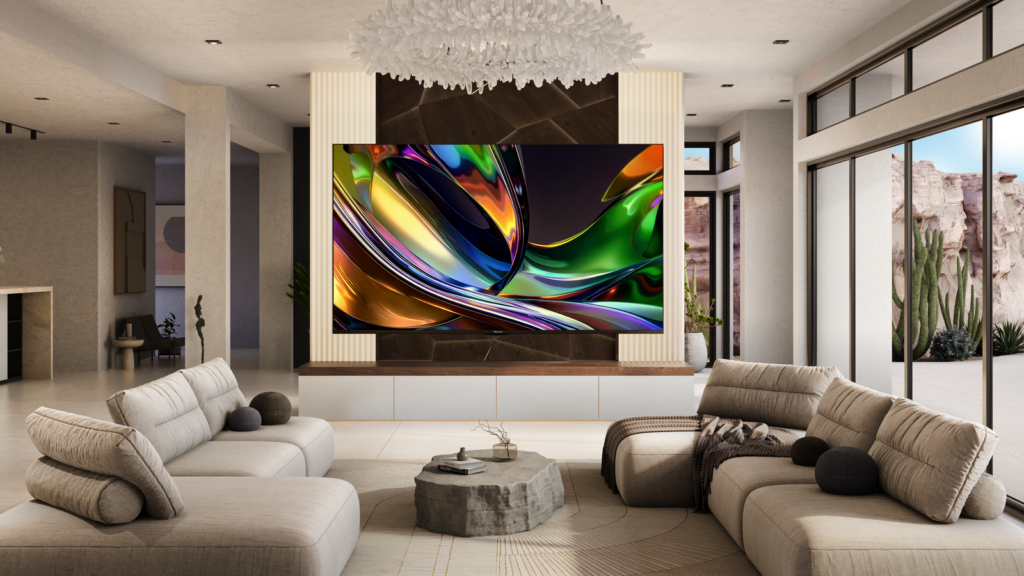
Television innovation has long been measured in screen size, resolution and peak brightness. But the next advance in picture quality is happening behind the screen, where light is produced and controlled.
With the Hisense UR8S and UR9S arriving in South Africa, RGB MiniLED introduces a different approach to creating lifelike colour: controlling red, green and blue light at the source.
What makes RGB MiniLED different?
Traditional MiniLED televisions typically use a single-colour LED backlight, combined with colour-conversion and filtering technologies to produce the final picture.
Hisense RGB MiniLED takes a fundamentally different approach. Its backlight incorporates independent red, green and blue LEDs. By adjusting these colours separately across different areas of the screen, the television can more precisely manage the colour and intensity of light before the final image reaches the viewer.
The benefit is not simply stronger colour. It is finer control over subtle shades, with less reliance on conventional colour-conversion processes.
A wider palette, with more natural results
Consider the changing colours of a South African sunset, the different greens across a rugby field or the natural tones of a face in close-up. These scenes demand nuance, not just saturation.
Hisense RGB MiniLED is designed to deliver colour coverage of up to 100% of the BT.2020 colour space, giving compatible content a wider palette of shades and tones. The aim is colour that looks more realistic, rather than artificially intense.
A wide colour gamut is only part of the story. Good picture processing must also respect the original content, keeping subtle gradations believable instead of turning every landscape, face or sunset into an exaggerated display of colour.
Why brightness alone cannot tell the whole story
The brightest TV does not automatically deliver the best picture. Great HDR depends on highlights that shine, dark areas that remain genuinely dark, and fine details that stay visible between the two.
Imagine a city skyline at night: bright streetlights should stand out without washing away the buildings or shadows around them. That balance comes from precise brightness control, contrast and image processing – not a single peak-brightness number.
With independently controlled RGB backlighting working alongside local dimming, Hisense aims to deliver more convincing depth and separation between light and dark areas.
The intelligence behind every scene
Hisense’s Hi-View AI Engine RGB analyses picture information in real time, coordinating colour, brightness and contrast as scenes change. This helps bring the capabilities of RGB MiniLED together for movies, sport and gaming, rather than treating each specification in isolation.
UR8S and UR9S: RGB MiniLED in the living room
The UR8S brings RGB MiniLED to a premium all-round entertainment TV, pairing the technology with a native 180Hz gaming mode, anti-reflection features and 2.1.2-channel sound tuned by Devialet.
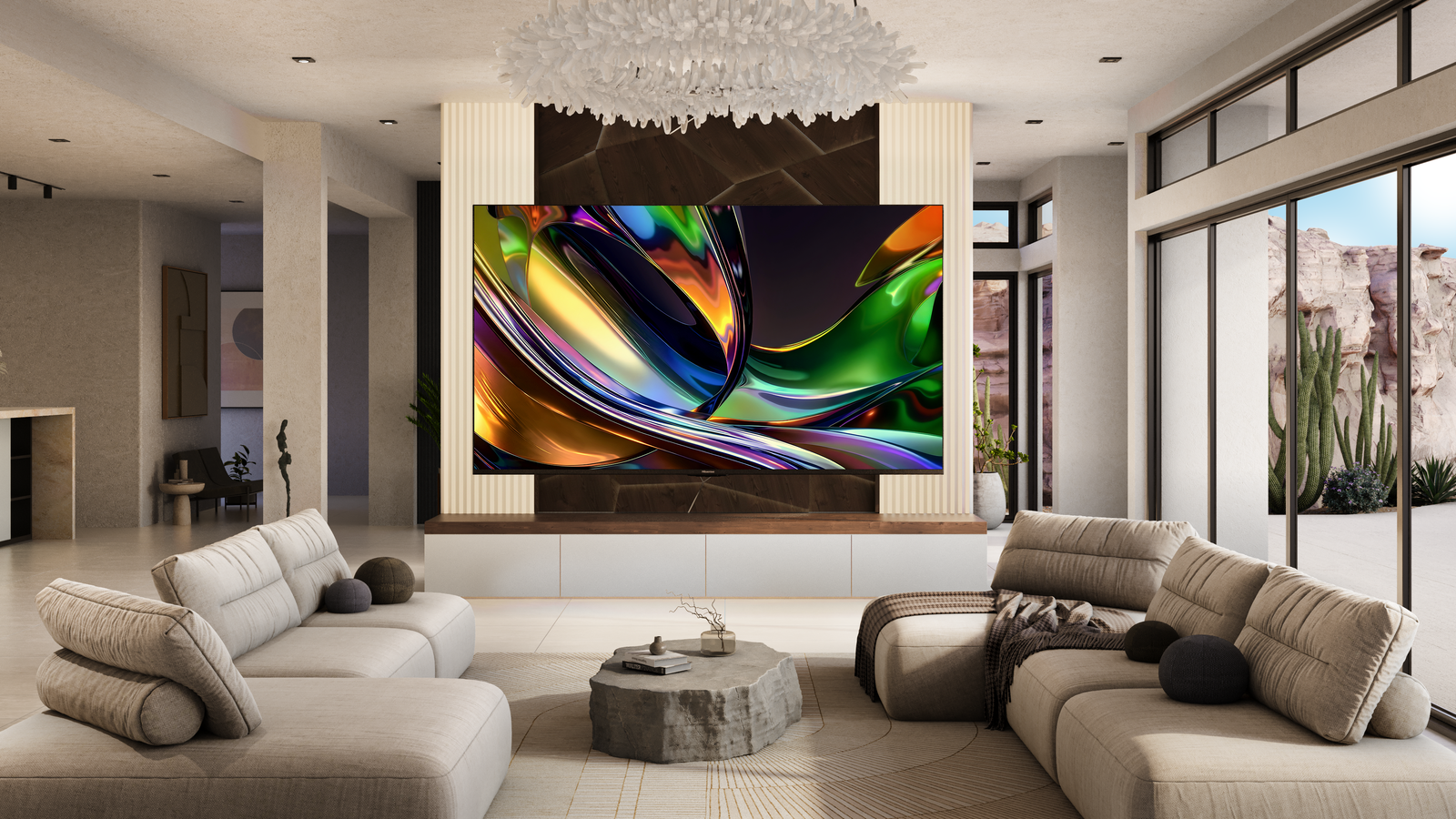
Hisense UR8S RGB MiniLED | Premium living-room entertainment
For viewers seeking a flagship experience, the UR9S builds on the same RGB MiniLED foundation with 4.1.2-channel surround sound and refresh rates of up to 180Hz, depending on screen size.
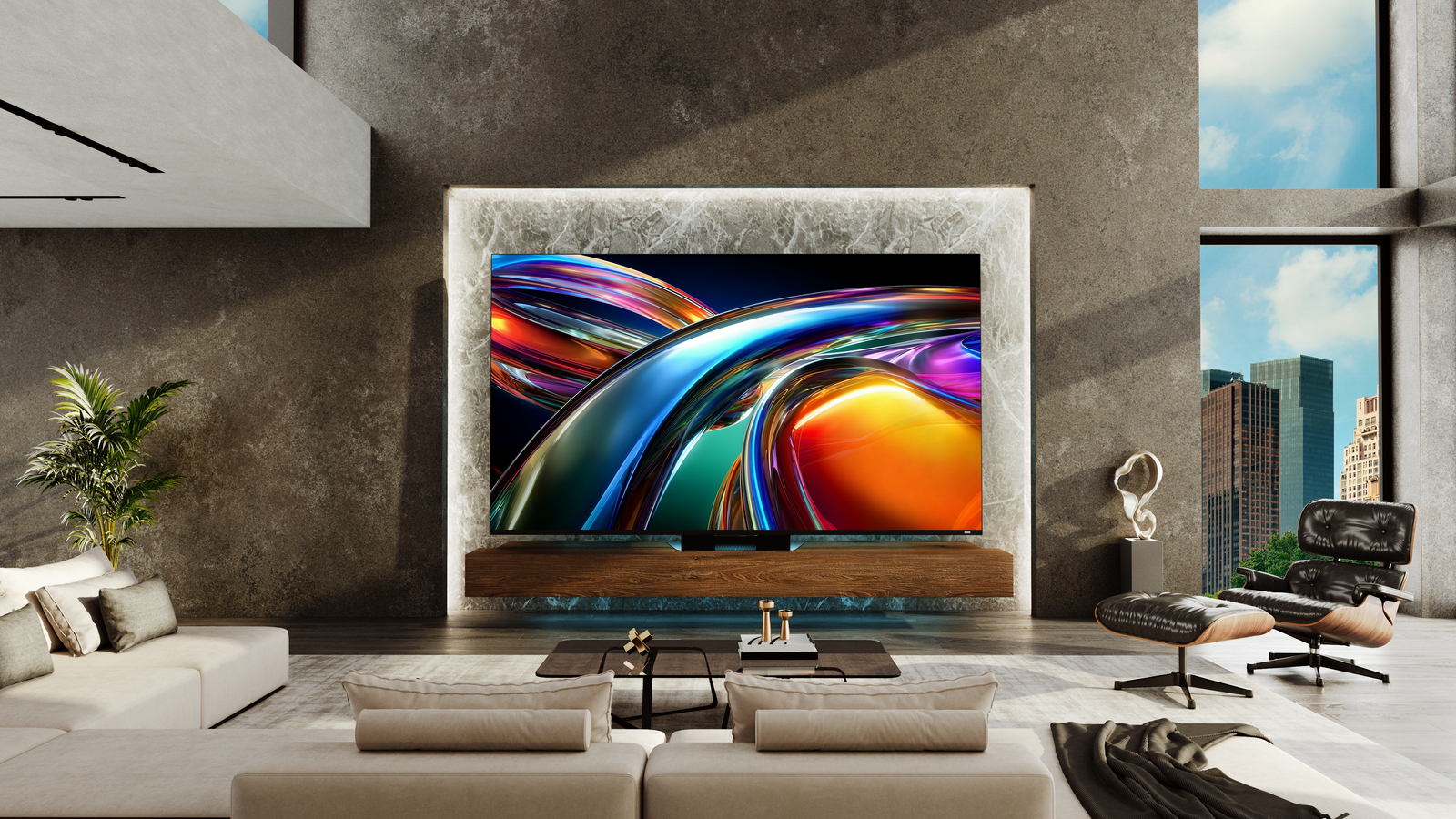
Hisense UR9S RGB MiniLED | Flagship home-entertainment experience
The message behind both televisions is straightforward: the future of picture quality is not just about brighter screens, but about making every colour, highlight and shadow look more natural and real.















 Loading ...