

South Africa’s passport now weaker than Somalia, Kazakhstan, Russia, and 115 other countries


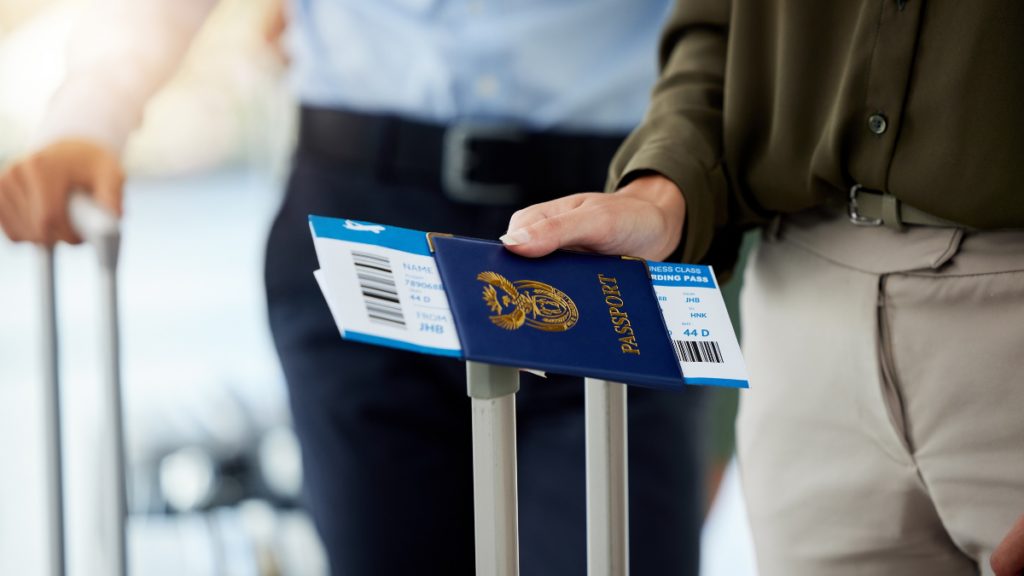
South Africa’s passport ranks lower than those of Somalia, Kazakhstan, Russia and 115 other countries in a new global index.
The La Vida Passport Value Index 2026 measures the economic and travel value of international access, highlighting the limitations of the document for business and travel.
The Index places South Africa 119th out of 199 passports, measuring access to 227 destinations.
While South Africans can access 139 destinations through visa-free entry, visas on arrival, electronic travel authorisations and eVisas, the passport provides access to a relatively small share of the world’s economic activity.
The index considers not only the number of destinations a passport unlocks, but also the share of global gross domestic product (GDP) and international travel those destinations represent.
According to the index, South Africa’s passport provides access to 26.5% of global GDP and 37% of international travel.
This means that many of the world’s largest economies and most popular travel destinations remain difficult to access without obtaining a visa in advance.
Major markets, which include the United States, United Kingdom, China and the Schengen Area, require South African passport holders to secure visas before travelling.
The ranking places South Africa below countries including Somalia, which ranks 115th, Kazakhstan at 102nd, Russia at 87th and Uzbekistan at 113th.
It also trails several other African countries, including Mauritius, Seychelles, Botswana and Namibia.
Mauritius ranks 59th, providing access to 61.3% of global GDP and 81.2% of international travel, while Seychelles ranks 62nd, with access to 60% of global GDP and 81.4% of international travel.
Singapore is at the top, with access to 216 destinations, 99.5% of global GDP, and 99.7% of international travel. Germany ranks second, followed by Croatia, South Korea and Denmark.
The United Kingdom ranks 30th, with access to 97.2% of global GDP, while the United States sits 39th, despite allowing access to 211 destinations.
The index’s methodology paints a different picture from traditional passport rankings, which largely focus on how many destinations can be accessed without obtaining a visa beforehand.
The index argues that the economic value of destinations matters more than simply counting countries.
A passport that provides access to major financial centres, business markets, and popular travel destinations can be more valuable than one that offers access to a greater number of countries with comparatively limited economic influence.
South Africa’s ranking also highlights why second citizenship has become attractive to some citizens seeking greater international mobility.
Citizenship in countries with stronger passports, including Malta in Europe or Caribbean nations such as St Kitts and Nevis, can provide access to destinations that remain difficult to reach with a South African passport.
Grenada, for example, ranks 63rd in the index, with access to 179 destinations, 59.6% of global GDP and 79.4% of international travel.
The index also examined how holding two passports can improve international mobility, allowing citizens to combine the access provided by each document.
For South Africans considering a second citizenship, the difference can be significant, particularly for businesspeople, investors and frequent travellers who need to move between major economies without lengthy visa application processes.

















 Loading ...