

Iconic retailer coming after Capitec in South Africa


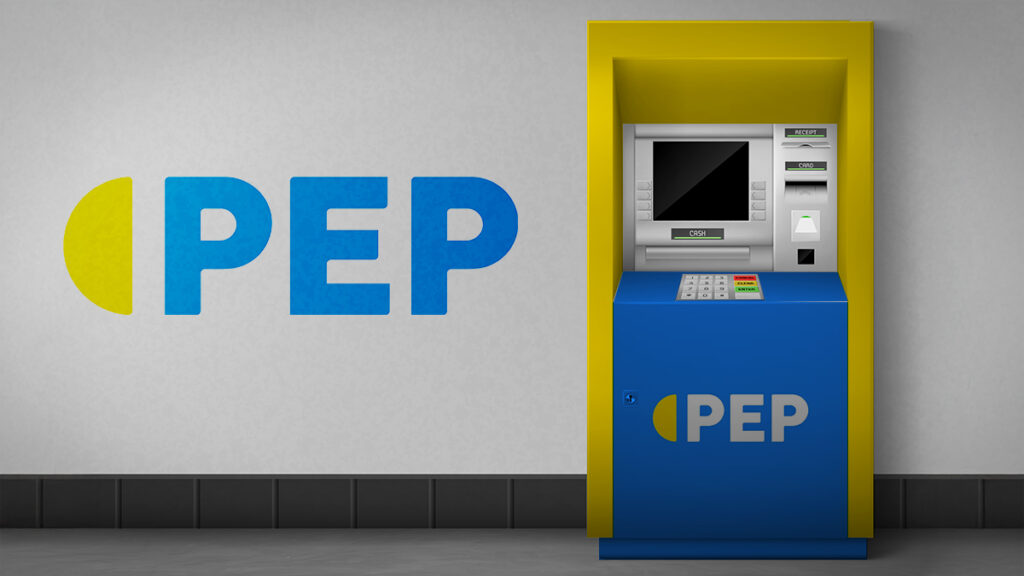
Africa’s biggest clothing retailer, Pepkor, plans to offer banking services in South Africa, which will challenge Capitec’s dominance in the low-cost banking space.
The company, which also sells more mobile phones than any other retailer in the country, plans to open banking branches inside its 6,000-store network and offer zero-fee transactional services aimed at lower-income customers.
According to people familiar with the plans, the project—informally referred to as “Pep Bank”—is still in its early stages of development.
Pepkor is in talks with Investec to partner on the venture, though no agreement has been finalised. If a deal is reached, the profits would likely be shared between the two companies.
For Investec, which traditionally focuses on high-net-worth individuals, the move would broaden its exposure to mass-market retail banking at a time when the South African economy has delivered slow growth.
The bank has been adding new income streams by expanding its business banking services and developing payment systems for companies that require handling large volumes of low-value transactions.
The retailer’s scale gives Investec an unusual entry point into the banking market. Opening branches inside stores already frequented by millions would allow quick rollout with limited overhead costs.
Pepkor also has access to extensive customer data collected through its retail operations, which could help it design products targeting the financial habits of lower-income households.
This approach mirrors broader trends in the retail sector. Shoprite, for example, has been using loyalty programme data to offer financial services to South Africans who it said remain unbanked or underserved by major banking institutions.
The interest from retailers comes after years of slow change from established banks. For decades, South Africa’s big four—Absa, Standard Bank, FNB, and Nedbank—were geared mainly toward middle-class clients.
They also operate through traditional and sometimes inaccessible models. This resulted in Large parts of the population being left without formal banking services, creating an opportunity for new entrants.
Capitec has proved the strategy will work

Capitec was the first to take advantage of this gap. When it launched in 2001, it focused on simple, low-cost products that appealed to working-class and unbanked South Africans.
Longer operating hours and streamlined services helped it stand out in a market where banking was often difficult to access.
“Right from the start, we made our mark by shaking up South Africa’s banking sector,” former CEO Gerrie Fourie has said in past discussions about the bank’s model.
Branches opened earlier and closed later than competitors, offering significantly more banking hours per month at a time when convenience was limited.
What began as a small operation with 55 branches and about 25,000 customers expanded steadily over the following two decades.
Capitec evolved from a microlender into a full-service transactional bank and today serves around 25 million clients across the country.
That figure represents more than half of South Africa’s adult population, making it the country’s largest digital bank by customer numbers.
It has also built a particularly strong foothold among younger users, a segment where traditional banks have struggled to gain traction.
In its most recent reporting period, the bank reported that headline earnings increased 26% to R8 billion for the six months ended August 2025, marking its fourth consecutive year of record profit.
Group CEO Graham Lee attributed part of this to scale, noting the size of the client base lowers transaction costs and supports continued investment in digital services.
Capitec’s fully banked clients now number 9.4 million, while its broader personal banking division reaches more than half the adult population.
Pepkor’s proposed banking venture would enter this landscape at a time when competition for lower-income customers is intensifying.
Zero-fee services available directly in retail stores could appeal to people who prioritise convenience and are already familiar with the Pep brand.


















 Loading ...