

South Africans are still getting poorer


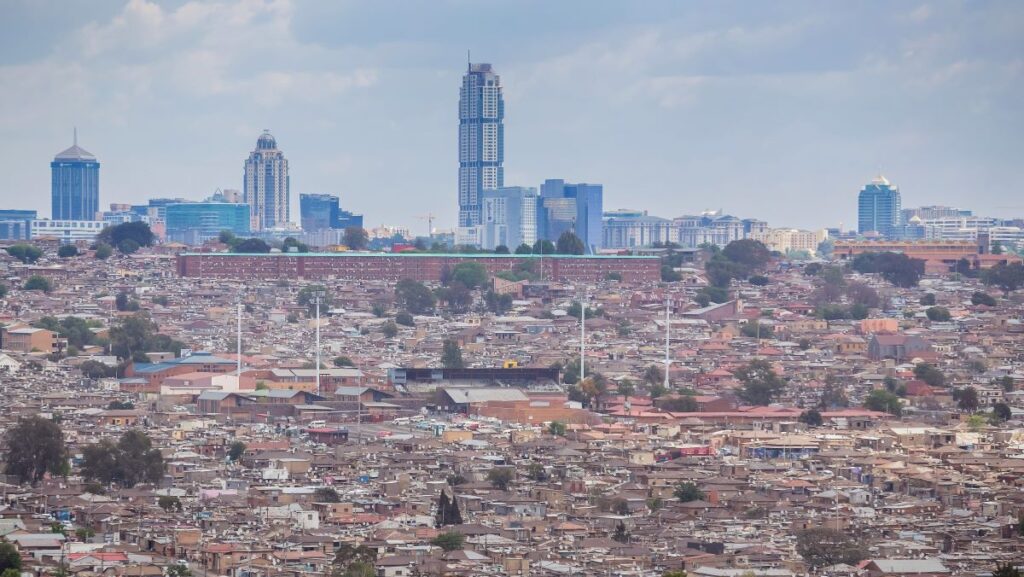
South Africa has seen a jump in GDP, but the rise is still insufficient to halt the country’s per capita recession.
Stats SA’s latest data for the second quarter of 2025 showed that South Africa saw 0.8% GDP growth, beating already bullish expectations from economists.
Year-on-year, growth stood at 0.6%, and a 6-month-on-6-month analysis showed 0.7% growth for the comparable periods.
Seven of the ten manufacturing divisions reported favourable growth rates, with mining and manufacturing the most significant contributors.
The mining and quarrying industry increased by 3.7%, contributing 0.2 of a percentage point.
The manufacturing industry increased by 1.8%, contributing 0.2 of a percentage point to GDP growth.
The headline figure from Stats SA was better than many economists expected, with economists polled by Reuters expecting GDP to inch up 0.5% quarter-on-quarter.
Nedbank economists estimated growth of 0.6% qoq, having accurately predicted rebounds from mining and manufacturing, which had stunted growth in the prior quarter.
While the overall figures mark an improvement from the weak 0.1% expansion seen in the first quarter of the year, the pace of growth remains insufficient to meet the nation’s population growth.
South Africa’s population grows at around 1.5% per year, meaning that anything less than this is insufficient for individual wealth growth.
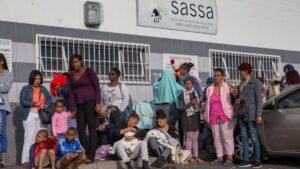
This means South Africa is facing a per capita recession, meaning that South Africans are getting poorer.
“The GDP print confirms that the economy is showing resilience in the face of global and domestic challenges,” said Maarten Ackerman, Chief Economist at Citadel.
“However, annual growth of just 0.6% is still about one percentage point below population growth, highlighting the structural constraints preventing SA from reaching its true potential.”


Outlook
The rest of 2025 doesn’t look much better, with Thanda Sithole, FNB Senior Economist, expecting growth of 1.0% for 2025. This should then improve gradually to 1.4% in 2026 and 1.9% in 2027.
Although the US tariffs and trade uncertainty are weighing on projections, growth is supported by a low inflation environment, cumulative interest rate cuts and structural reforms.
Sithole added that sectoral dynamics also provide resilience as automotive sales remain strong, which is supported by lower borrowing costs and rising demand for entry-level brands.
Agriculture also benefits from favourable weather and increased machinery investment, while mining and manufacturing show signs of early recovery.
He added that trade continues to expand, reflecting improving consumer fundamentals and wage growth outpacing inflation.
Ackerman cautioned that while South Africa has clear pockets of resilience, unlocking a sustained recovery depends on the decisive implementation of structural reforms and policies encouraging private-sector participation.
“Until we see a turnaround in investment, budgets will remain tight and ratings agencies unconvinced,” Ackerman said.
Ackerman is optimistic that the South African Reserve Bank (SARB) has room to consider a rate cut later this month and in the coming months.
This comes amid weak growth, inflation remaining at the lower end of the official 3% to 6% target range, and the US Federal Reserve’s decision to start cutting rates.













 Loading ...