

Severe weather update for South Africa


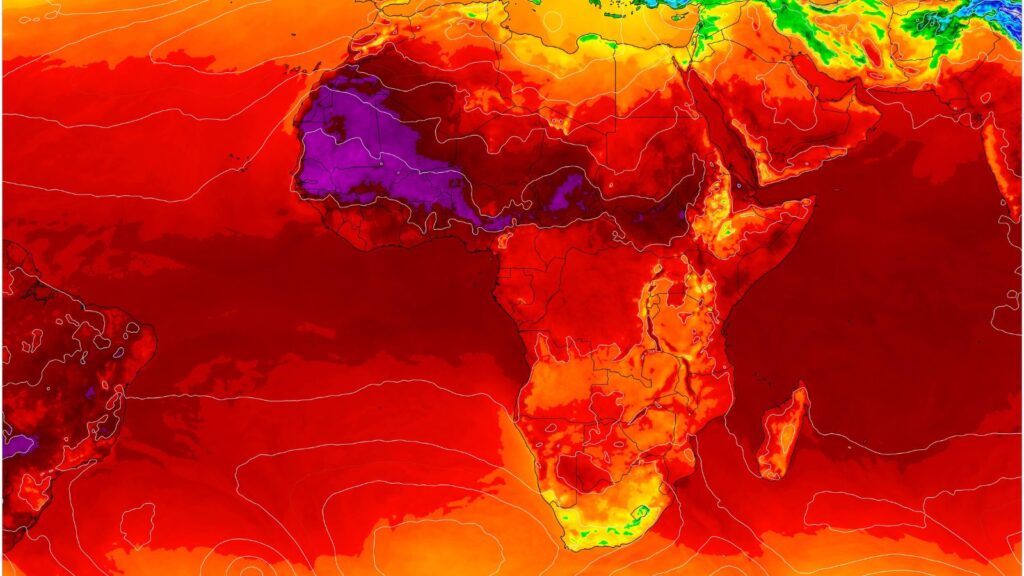
While South Africa will be hit by severe El Niño conditions this year, AgriBiz chief economist Wandile Sihlobo says the impact could be mitigated by higher-than-usual rainfall over the past 12 months.
Without downplaying the severity of the El Niño, Sihlobo said that the country should not panic.
This is because La Niña rains over the past few years have boosted certain crop yields and increased soil moisture, putting South Africa in a good position to face the looming droughts.
El Niño is a weather pattern often associated with drought in southern Africa and can have serious consequences for agriculture, food prices, inflation, and economic growth.
The latest report from the NOAA Climate Prediction Centre confirmed that El Niño conditions are present, and that equatorial sea surface temperatures are above average across the Pacific Ocean.
The World Meteorological Organisation (WMO) warned that the conditions are set to influence global temperature and rainfall patterns, increasing the risk of extreme weather.
Following confirmation that El Niño is present and appears particularly severe, economists and analysts have been warning of its impact on South Africa.
The severe weather threatens harvests, livestock, water supplies and food production, and can lead to lower yields and higher prices, feeding food inflation.
The South African Reserve Bank (SARB) has also flagged the issue as one of the inflation risk factors it is watching in determining its monetary policy moves.
The El Niño poses a particular threat to South Africa’s maize harvest.
Maize is one of the country’s most important staple foods, and the crop is especially vulnerable to adverse weather conditions.
However, while noting the various “understandable” warnings from his peers, Sihlobo said there is a broader context at play due to La Niña.
La Niña is effectively the opposite of El Niño, where sea temperatures cool over the Pacific Ocean, bringing wetter conditions to southern Africa.
According to Sihlobo, South Africa has experienced a prolonged La Niña, which has supported the local agricultural sector over the past few years.
Don’t panic

Sihlobo said the El Niño will coincide with South Africa’s 2026-27 summer crop season, which starts in mid-October.
However, South Africa has been experiencing rainfall patterns much longer than typical periods, where summer rain has pushed through to May, when they usually end in March.
“Ordinarily, such longer rainfall periods would raise concerns about crop quality, but in the areas that harvested the 2025-26 crops, we haven’t seen many quality issues,” Sihlobo said.
“In fact, the Crop Estimates Committee’s latest projections were revised higher and still point to a record summer crop harvest for 2025-26.”
The longer rainfall season benefited the country by improving soil moisture and the water table ahead of the 2026-27 summer crop season.
So when the planting period starts in October 2026, farmers across South Africa will have better-than-normal soil moisture to begin with, he said.
“Therefore, there may be sufficient soil moisture to support seed germination and crop development across the country, even as El Niño conditions likely result in below-normal rainfall.”
Another factor at play is that South Africa is having its largest-ever summer grain and oilseed crop in the 2025-26 season, Sihlobo said.
“This puts South Africa in an opportune position regarding grain supplies heading into next year,” he said.
“Even with large exports, there is a strong chance that we will enter the new season and year with large supplies.”
The economist noted that caution is warranted and worries are understandable, but stressed that at the moment, there appears to be no need to panic.
“The drought is not ideal and may impose costs on farmers, but we can’t view it the same way as previous droughts,” he said.
“There are clear factors here that may shape this upcoming season more than the last droughts did.”

















 Loading ...