

Interest rates in South Africa on a knife-edge


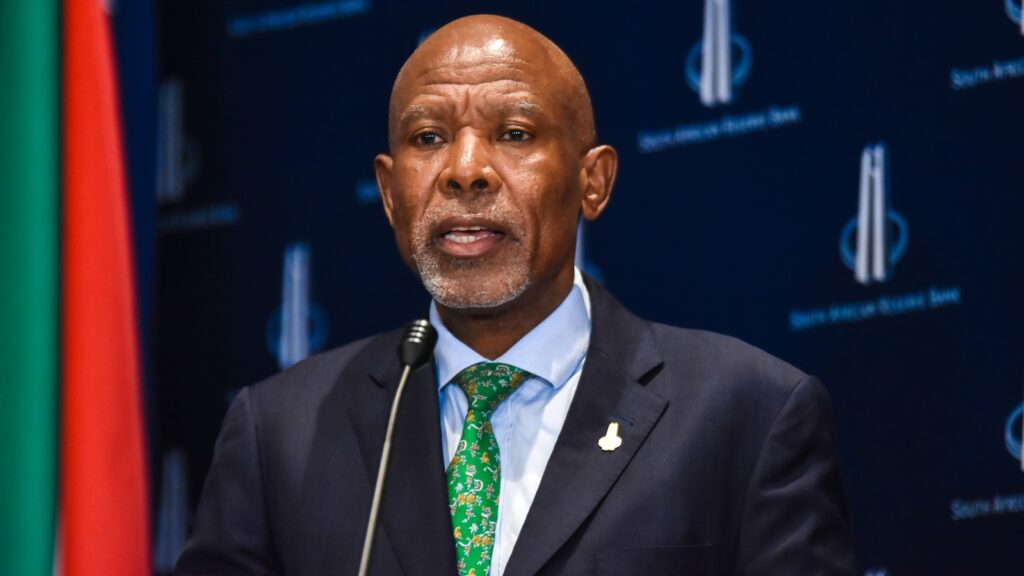
The chances of interest rate cuts in South Africa have all but vanished, with hopes now shifting to the South African Reserve Bank (SARB) not increasing rates.
While the SARB was widely expected to cut interest rates by a cumulative 50 basis points in 2026, this has all but vanished due to the war in Iran.
The war has led to a massive rise in global oil prices and a weakening of the rand, both of which are used to determine fuel prices.
Frank Blackmore, Lead Economist at KPMG South Africa, said that transport costs contribute around 14% to the CPI basket, and the Iran war is having a major impact on fuel costs.
Mid-month estimates for May point to increases of around R3 for petrol and R9 for diesel, adding to the already large increases in April. Another concern will be second-round effects.
“Most of your production side of the economy is not going to keep that price increase to themselves, reducing their profit margins, but they’re going to push them down onto consumers,” said Blackmore.
The direct increase in CPI from the fuel price increase is around 1.2%, but indirect costs could push other parts of the basket higher.
“This would mean that this year we could see inflation climb back to around 4.5% or even 4.8%, as long as the war continues, prices remain inflated, and the impact is higher,” said Blackmore.
“If the war could end sooner, obviously, that impact will be to the lower end of that margin.” The SARB now anchors its expectations around a 3% target, which it achieved in February 2026.
Blackmore said that the SARB’s future interest rate decisions will depend on whether the second round of price increases begins to hurt consumers’ pockets and affects wage rates.
If this is the case, the SARB could raise interest rates to cool inflation.
“But as long as the bank sees this war as temporary and not affecting inflation on a more permanent basis, rates will remain steady,” the economist noted.
“So, at this point it’s too early to tell, but what we can say is the impact will be inflationary.”
While a ceasefire between the US and Iran is in place, subsequent negotiations between the countries in Pakistan failed to reach an agreement.
The US then announced a blockade of Iran’s ports, following the Persian nation’s example after it blocked the Strait of Hormuz.
Governor’s warning for the increase

While it may be too early to tell exactly what the SARB will do, its Governor, Lesetja Kganyago, recently warned that there are serious dangers in waiting too long to raise rates.
Kganyago has repeatedly said that the Monetary Policy Committee (MPC) of the SARB bases its interest rate decisions on inflation expectations, with CPI prints often reflecting past rate decisions.
Speaking at the International Institute of Finance panel in Washington, the Governor warned that delayed interest rate increases could ultimately lead to more aggressive responses later.
“The policy response should be to make sure that the shock becomes transitory rather than becomes persistent,” he said.
He said that central banks do not have the luxury to wait-and-see when responding to inflation, as a delayed decision could be too late.
He noted that many central banks that waited too long to respond to the pandemic and Russia’s invasion of Ukraine had to then respond more aggressively later on.
The repo rate currently stands at 6.75%, with the war in Iran halting its interest rate-cutting cycle, which saw cumulative cuts of 125 basis points since 2024.
With reporting by Matthew Hill and Ntando Thukwana from Bloomberg.














 Loading ...