

Pick n Pay burning billions to save itself from collapse


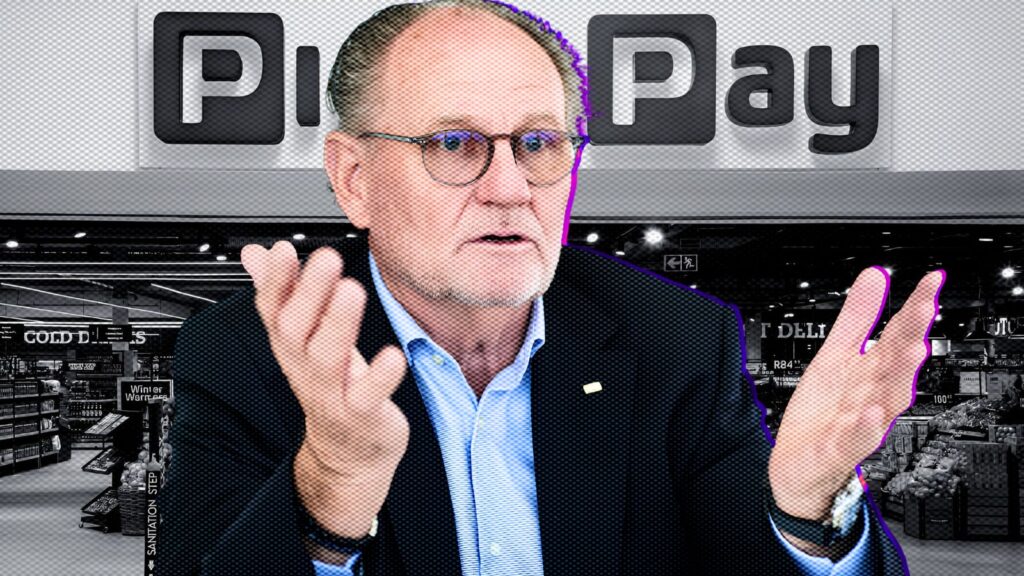
Pick n Pay CEO Sean Summers says the retailer had to effectively “burn” more than R10 billion in value created through Boxer to prevent the broader group from collapsing.
He described the turnaround effort as one of the toughest corporate recovery jobs in South Africa.
Speaking in an interview with BizNews, Summers said Pick n Pay should be viewed as an entirely different company following the severe financial crisis it faced in 2024.
“To all intents and purposes, in March 2024, this company basically fell over. We maxed out all of our facilities, breached all of our covenants, and we were in a fortunate situation that we had value in Boxer,” Summers said.
Pick n Pay separated and listed Boxer as an independent entity on the Johannesburg Stock Exchange (JSE) in November 2024 as part of its efforts to raise capital and stabilise the group.
The retailer sold roughly 202.4 million Boxer shares during the initial listing process, representing about 40% of Boxer’s issued share capital, and raised R8.5 billion.
In May 2026, Pick n Pay sold a further 57.3 million Boxer shares, equal to around 12.5% of the retailer’s share capital, to institutional investors for R4.7 billion.
In total, the retailer raised approximately R13.2 billion through the two transactions while retaining a controlling 53.1% stake in Boxer.
Summers said the Boxer sell-down was always intended to fund Pick n Pay’s recovery, even if it meant sacrificing billions in value that had been built in the discount retailer.
“I warned at the time that we would most probably end up burning somewhere between R6 billion and R10 billion of the Boxer value that was created in turning Pick n Pay around,” he said.
However, Summers argued that the spending should not simply be viewed as losses.
“We’re taking the money to invest back in the business again, to create a new business for the future, because it is like a new business,” he said.
Summers said the market needed to take a longer-term view of Pick n Pay’s turnaround strategy rather than focusing on short-term share price movements and delays in the retailer reaching breakeven.
“You’ve got to look at it over a year, over six months. You can’t just look in a matter of days or a week,” Summers said.
Pick n Pay is stabilising
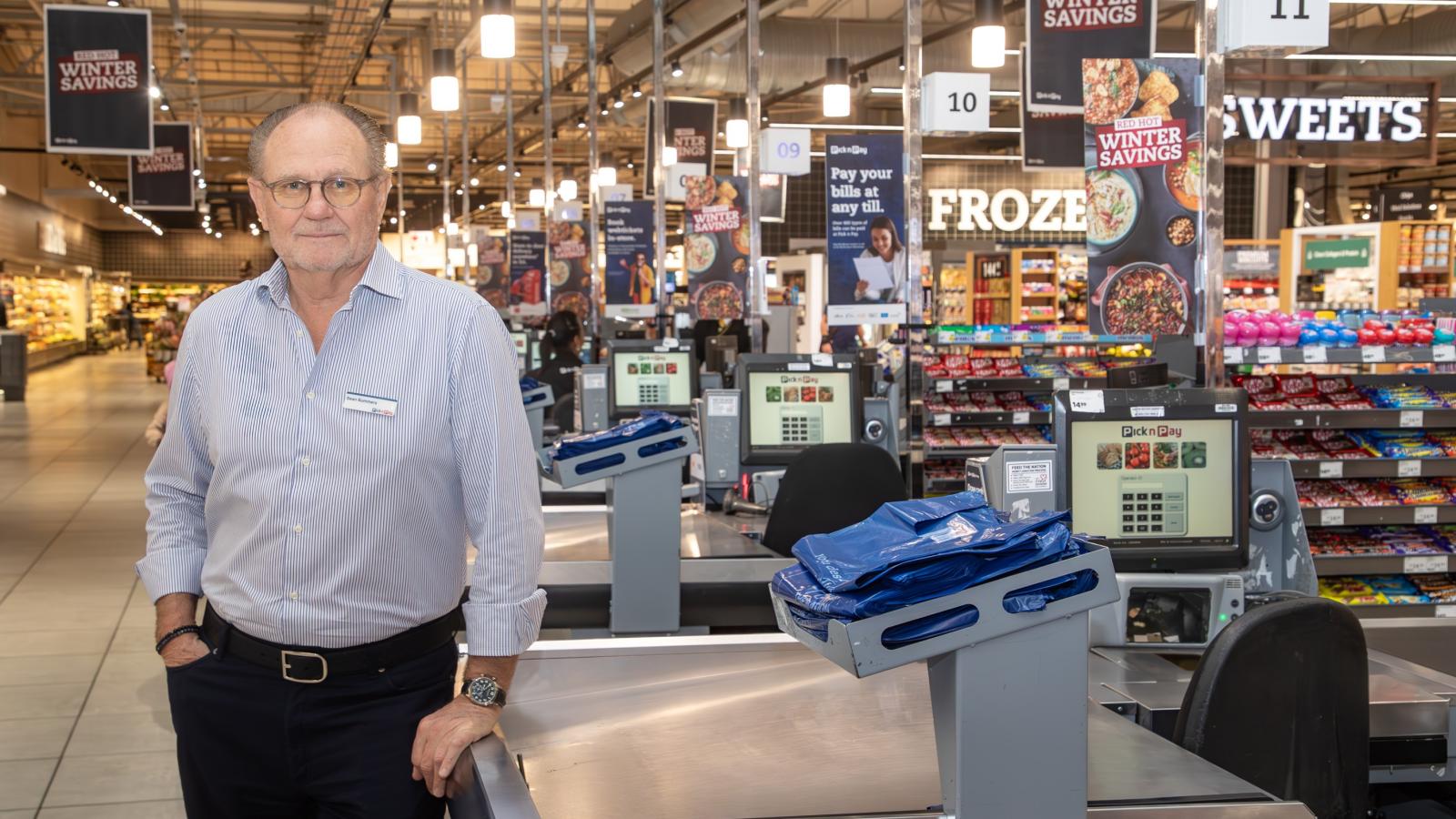
Summers stressed that Pick n Pay remained one of South Africa’s most recognised and loved retailers, despite the operational and financial problems it encountered.
“The fact that there are some things that are a bit out of kilter or way out of kilter in terms of its cost base and various other issues does not mean that is necessarily the end of the road for Pick n Pay,” he said.
He added that management’s primary focus was ensuring the business survives and remains relevant for decades to come.
“It’s not going to be the biggest. That race is done. But for me, that’s the important part of what the journey is for Pick n Pay.”
Summers warned that without decisive intervention, Pick n Pay could have faced the same fate as failed South African retailers such as OK Bazaars and Stuttafords.
One of the biggest challenges in the turnaround has been labour costs, which Summers described as a major structural issue for the retailer.
“The whole market said, ‘You will never fix Pick n Pay until you find some rebalance in its cost of labour and its employment practices,’” he said.
He said Pick n Pay had spent more than two years in discussions with organised labour before eventually pursuing a formal consultation process.
“We were ultimately left with no option other than to take firm action to get us into a consultation process that we could have meaningful material discussions with outcomes,” Summers said.
Despite concerns over potential retrenchments, Summers insisted the company’s goal was to protect jobs rather than cut them.
“The last thing we can afford in this country is job losses. This is not about job losses. This is about trying to maintain stable, reasonable employment going forward.”
While he acknowledged that the turnaround was taking longer than initially expected, Summers said he remained confident that Pick n Pay was stabilising and rebuilding trust among suppliers, landlords, employees and investors.
“You have a responsibility as a leader to front up to the realities that you are confronted with. By merely obfuscating and ducking the other way, you are not going to solve the problem.”
Summers added that the task remained one of the toughest corporate turnarounds in South Africa.
“There may be a tougher job for a CEO in South Africa at the moment. I don’t know. I can’t think of one really that jumps to mind. But you just deal with it and get on with it,” he said.
















 Loading ...