

24-year-old mining operation being shut down in South Africa – which could take 1,114 jobs with it


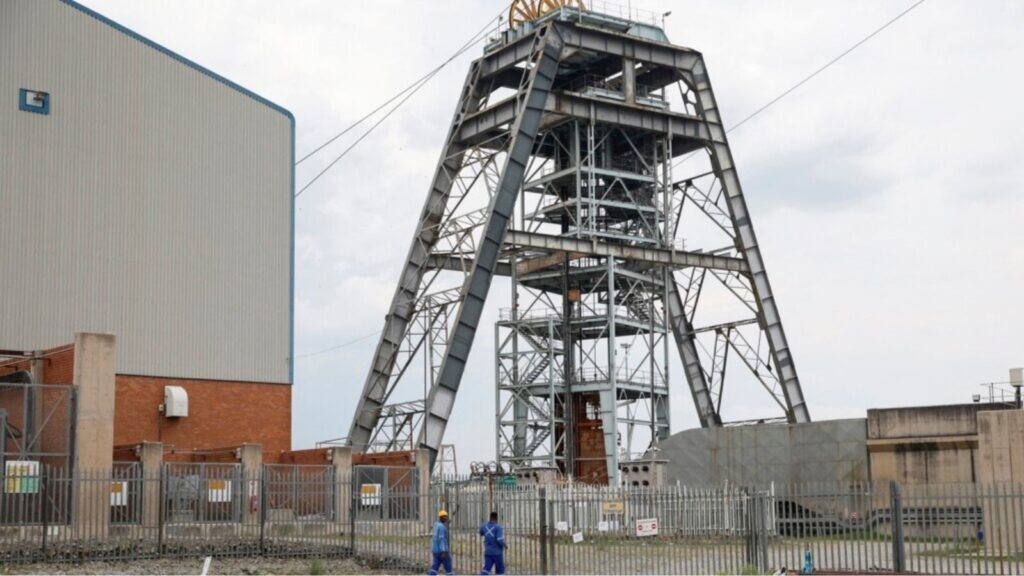
Sibanye-Stillwater has begun a formal consultation process that could result in the closure or restructuring of its Kwezi shaft near Rustenburg, putting 1,114 jobs at risk.
The mature platinum group metals (PGM) mining operation has been part of Sibanye-Stillwater’s Rustenburg operations for approximately 24 years.
However, the operation has become increasingly difficult to sustain financially as its economically mineable reserves are depleted and production declines.
Sibanye-Stillwater announced that it would enter into consultations under Section 189A of the Labour Relations Act with organised labour and affected non-unionised employees regarding the proposed restructuring.
The process could affect approximately 781 permanent employees and 333 contractor employees.
The mining group stressed that no final decision has been made yet and that the consultation process will examine ways to avoid or reduce job losses.
It will also look into ways to mitigate the impact on affected workers and explore alternatives to improve the shaft’s viability.
Kwezi is a mature underground PGM shaft within Sibanye-Stillwater’s Rustenburg operation. Mining has now reached the limits of the approved mining licence area, meaning the operation is approaching the end of its economic life.
The company said it had spent several years trying to extend the life of the shaft through initiatives including reserve optimisation and adjustments to mining boundaries.
A proposed Kwezi Shallows project was also expected to provide access to additional shallow mineral resources, potentially adding reserves and supporting future production.
However, the project failed to progress as planned due to stakeholder objections, appeals, and delays in securing the necessary approvals.
“The absence of these additional reserves has accelerated depletion of the remaining mining inventory and weakened the shaft’s sustainability,” Sibanye-Stillwater said.
The shaft’s financial performance has also been deteriorating. Kwezi recorded losses of approximately R208 million in 2024, followed by losses of R91 million in 2025.
Consultations are still being finalised
Higher PGM prices helped the operation return to positive margins during the first half of 2026. However, this improvement is not expected to last.
Sibanye-Stillwater said Kwezi is forecast to return to losses during the second half of 2026 as production continues to decline.
The shaft has also become a relatively small contributor to the group’s overall South African PGM operations.
During the first half of 2026, Kwezi produced 20,658 4E ounces. This represented less than 3% of Sibanye-Stillwater’s total managed and attributable South African PGM production of 734,645 4E ounces for the period.
Following a detailed operational and financial review, the company concluded that it was necessary to begin formal consultations on the shaft’s future.
Richard Stewart, Sibanye-Stillwater’s CEO, acknowledged the uncertainty the process would create for workers and their families.
“We acknowledge and are sensitive to the uncertainty that consultation processes create for employees and their families and remain deeply committed to engaging constructively throughout the process,” Stewart said.
“Unfortunately, given the depletion of economically mineable reserves and the corresponding declining financial outlook, it is necessary to commence consultations regarding the future of Kwezi shaft.”
The Section 189A process does not automatically mean that all 1,114 affected employees will lose their jobs.
South African labour law requires employers and employee representatives to consult on possible alternatives before retrenchments can be finalised.
















 Loading ...