

Petrol price pain for South Africa in May


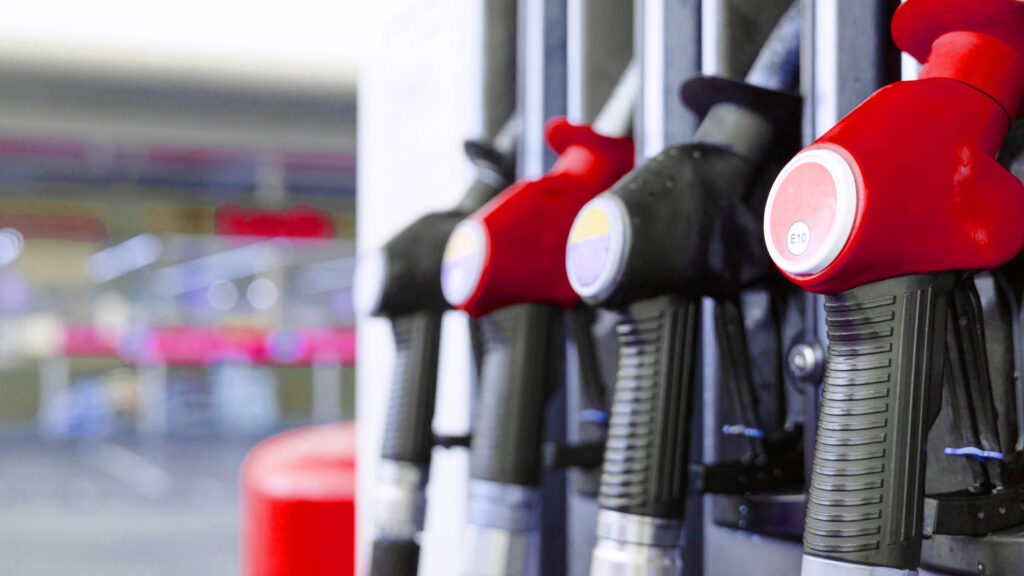
Central Energy Fund (CEF) data for the end of the first full week of the month shows that motorists are still on the hook for a massive jump in pump prices in May, with an even bigger blow in store.
According to the group’s snapshot data for 9 April 2026, both petrol and diesel are still showing massive under-recoveries.
Petrol prices have an under-recovery of between R3.25 and R3.63 per litre, while diesel prices show a staggering under-recovery of between R10.80 and R10.84 per litre.
The only consolation in the data is that under-recoveries have reduced significantly since the start of the month, where they were around R8 and R17 per litre for petrol and diesel, respectively.
While under-recovery has been narrowing gradually, a significant leap occurred earlier this week when the United States announced a two-week ceasefire in the Middle East.
This is how the projection stands at the end of the week:
- Petrol 93: increase of R3.25 per litre
- Petrol 95: increase of R3.63 per litre
- Diesel 0.05% (wholesale): increase of R10.80 per litre
- Diesel 0.005% (wholesale): increase of R10.84 per litre
- Illuminating paraffin: increase of R8.54 per litre
The CEF does not provide daily snapshot data for LP Gas, so it is not currently possible to provide an expected price for the coming month.
The data points to a positive trajectory for fuel prices in South Africa, but it is still a long way from a positive outcome for motorists.
According to Aluma Capital Chief Economist, Frederick Mitchell, the more positive trajectory also comes with several harsh edges that can still cut motorists deeply.
The first big cut is that the disruptions from the Middle East war are already baked into May’s fuel prices.
This means that, despite the ceasefire announced this week, fuel price recoveries are highly unlikely to swing into over-recoveries or short-term cuts.
The second big cut is that the ceasefire itself is shaky and carries risks of breaking.
As many analysts have cautioned, the positive turn in global oil prices will only last as long as the ceasefire holds. If it breaks, markets could spin rapidly.
Already, there have been reports and allegations of tensions rebuilding, with Israel’s attacks on Lebanon putting talks between the US and Iran on edge.
Global oil prices, which pulled back by $17 a barrel on the ceasefire announcement to trade at $94, already reflect these tensions.
Fuel tax pain is coming back
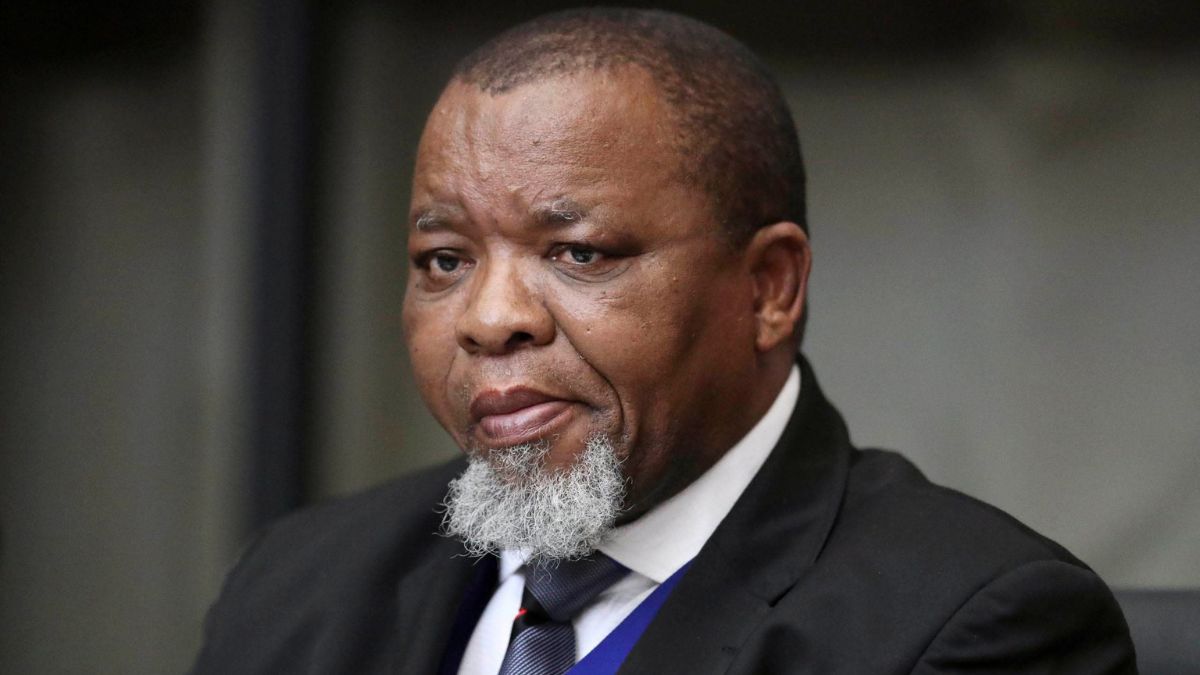
However, the third cut is possibly the deepest, with Mitchell warning that the R3.00 per litre fuel relief granted in April could be coming back in full in May.
Mitchell said this will be the “real test”, as adding back R3.00 per litre would, at this stage, almost double the current projected increase.
“Even with the global reprieve, the reinstatement of this tax remains a significant hurdle for inflation management,” he said.
The National Treasury has not yet indicated how the tax will be added back. However, it was explicit that the relief would only be in effect for one month.
Treasury and the Department of Petroleum and Mineral Resources are expected to announce further relief measures for May and June, but these are anticipated to be longer-term interventions.
An example of a longer-term measure is the department’s recent announcement that it would review petrol price structures on the local side.
This would encompass reviewing retail margins and other aspects of the fuel price that are within local control.


















 Loading ...