

New solar rules in South Africa could end up in court


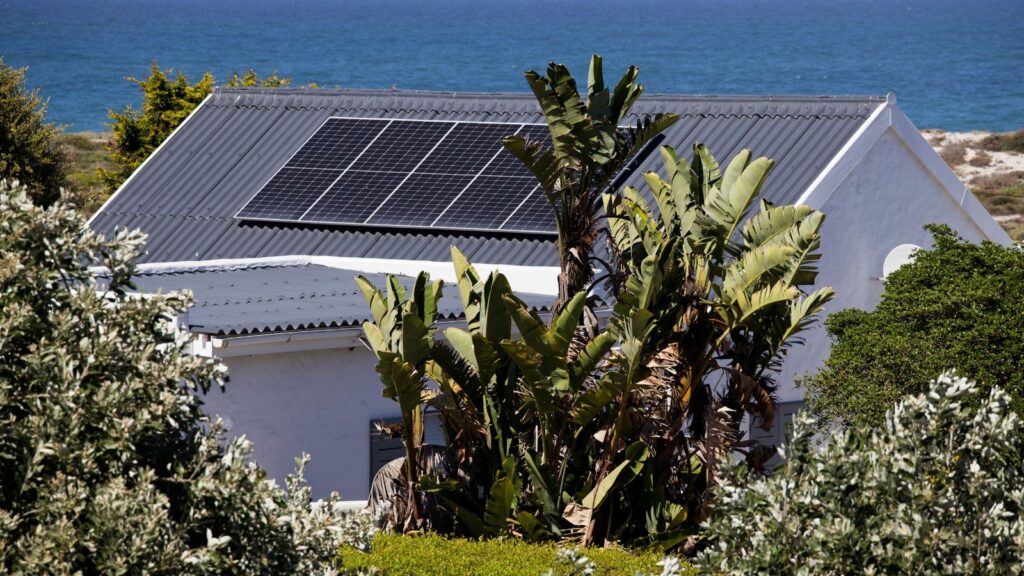
The government is making it harder for South Africans wanting to escape unreliable electricity supply and rocketing prices by going solar.
The Organisation Undoing Tax Abuse (OUTA) argued that authorities claim to support alternative energy, but in practice, they’re turning the process into an administrative nightmare.
OUTA CEO Wayne Duvenage warned that the constant changes to rules discourage households and businesses from investing in alternative energy, which alleviates pressure on the fragile grid.
OUTA’s criticisms follow City Power’s new six-step application process for Small Scale Embedded Generation (SSEG) installations in Johannesburg.
Under the new rules, applicants must first obtain an electricity supply application notification number, then submit a formal Solar PV application. This is followed by a site inspection conducted by City Power before installation can begin.
Once the system is installed, customers must then submit a Certificate of Compliance along with a PV commissioning form, after which they must await both pre-approval and final approval letters from the utility.
“The city is wrapping private energy solutions in so much paperwork that it’s punishing the very residents and businesses trying to reduce pressure on a failing grid,” Duvenage said in a recent interview.
He also questioned the rationale behind the changes. Duvenage said thousands of solar installations have already been completed without harming the grid.
“You’ve had so many tens of thousands of solar installations up to now without this process, and it hasn’t damaged the grid. It also hasn’t put safety issues into question. So why now? What are they actually trying to do?” he asked.
“We have an unreliable power supply, especially in Joburg, with all the challenges that City Power has. We have rocketing costs, and I don’t think government, especially at the local government level, are realising what they’re doing,” he said.
He warned that increased bureaucracy could push more consumers to disconnect entirely. “They’re creating a spiral now where more and more people are saying, well, now I’m going off-grid.”
“They’re saying I’m not going to pay the fixed fees that you’re already getting from me—and that’s a dangerous place because it starts to impact the financial model of cities and municipalities.”
More costs for South Africans wanting solar
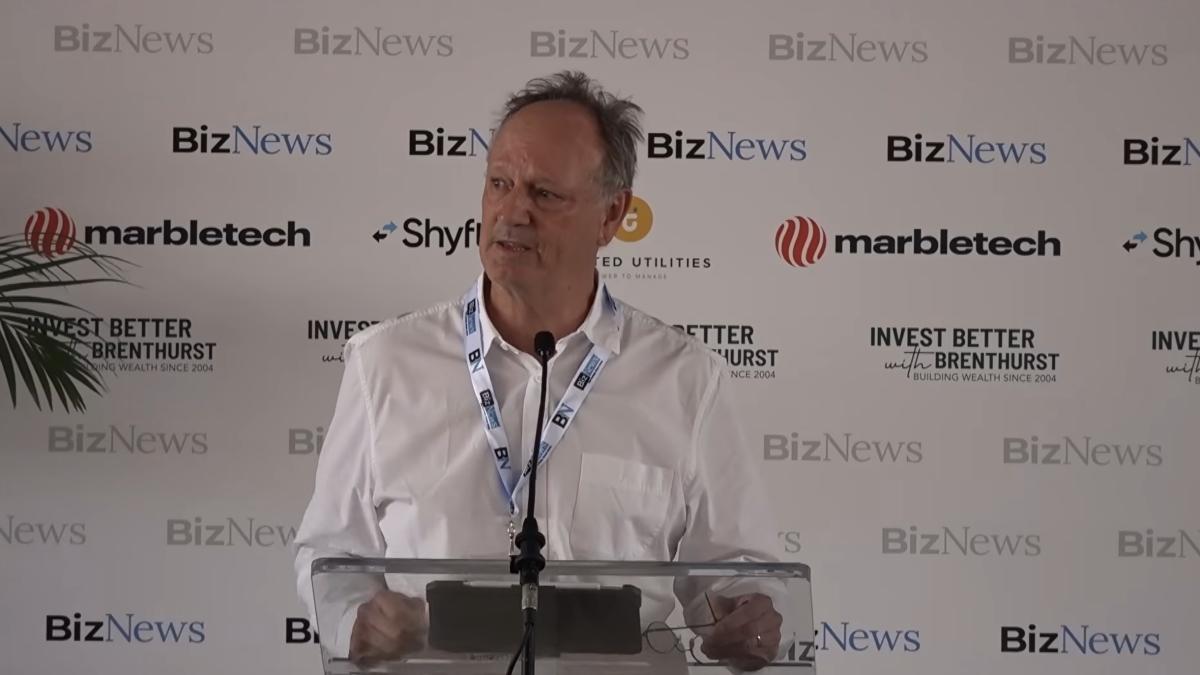
Duvenage also highlighted the cost implications of the rules, particularly for prepaid customers. “If you’re on prepaid and you want to fit solar, now you’ve got to switch over to a postpaid system,” he said.
“People on prepaid are paying about R230 a month in fixed fees, and postpaid are paying R1,200. That’s going to push your fixed fee up straight away.”
He argued that municipalities should not interfere with installations on the consumer side of the meter, provided proper compliance standards are met.
“So long as you have a certificate of compliance, the city should not be getting involved—and neither should Eskom,” he said.
Duvenage added that the policy could undermine confidence in the growing private energy sector, and noted that installers are already feeling the strain.
He added that these draconian and administrative processes are slowing things down. When you put inefficiencies and policies like this in the way of business, you start to damage the economy and the industry as a whole.
While OUTA is not yet taking legal action, Duvenage said the organisation is considering its options. He indicated that a court challenge could follow if residents are penalised for installing solar without prior approval.
“If anybody’s electricity is turned off on the basis that they didn’t have the city’s permission and they had a certificate of compliance, then that will trigger the litigation process,” he said.


















 Loading ...