

New Eskom energy company launches in South Africa


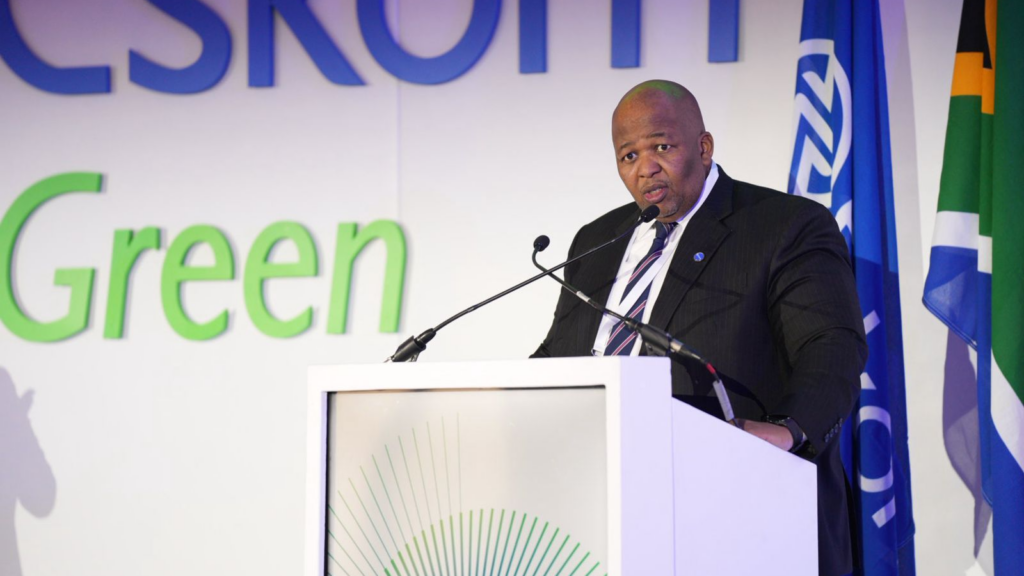
Eskom Holdings has officially launched Eskom Green, a renewable energy division aimed at accelerating the development of large-scale renewable energy projects.
According to the utility, this initiative also aims to assist larger power users in meeting their decarbonisation and energy transition goals.
Eskom Green was established in response to global benchmarking research conducted on over 20 utilities.
Eskom said that developing renewable energy projects requires access to various sources of capital, collaborative delivery models, and bankable project structures.
These requirements are significantly different from Eskom’s traditional vertically integrated generation model.
“Eskom Green is a utility-scale renewable energy business that rapidly accelerates the options available to South Africa’s industries to decarbonise and transition industrial and productive capacity to maintain export competitiveness,” said Eskom Group Executive for Renewables, Rivoningo Mnisi.
“The business is set to increase the supply of renewable energy to enable customers to lower their carbon footprint in their energy consumption,” he said.
Eskom Group Chief Executive, Dan Marokane, said that the new entity is built on decades of power generation skills and expertise that the nation has invested in, reflecting Eskom’s successful adaptation to new technologies.
“We have been playing in this space for some time, and we are now putting a stake in the ground – this is a development that South Africa can be proud of,” said Marokane.
Eskom Green is today part of Eskom Holdings, as part of the organisation’s unbundling strategy.
The group said that Eskom Green will be separated from Eskom to become a wholly owned subsidiary with an independent board, subject to the necessary governance, regulatory and shareholder approvals.
Eskom Green reportedly aims to be the primary energy provider for its customers.
“A wholly owned subsidiary”
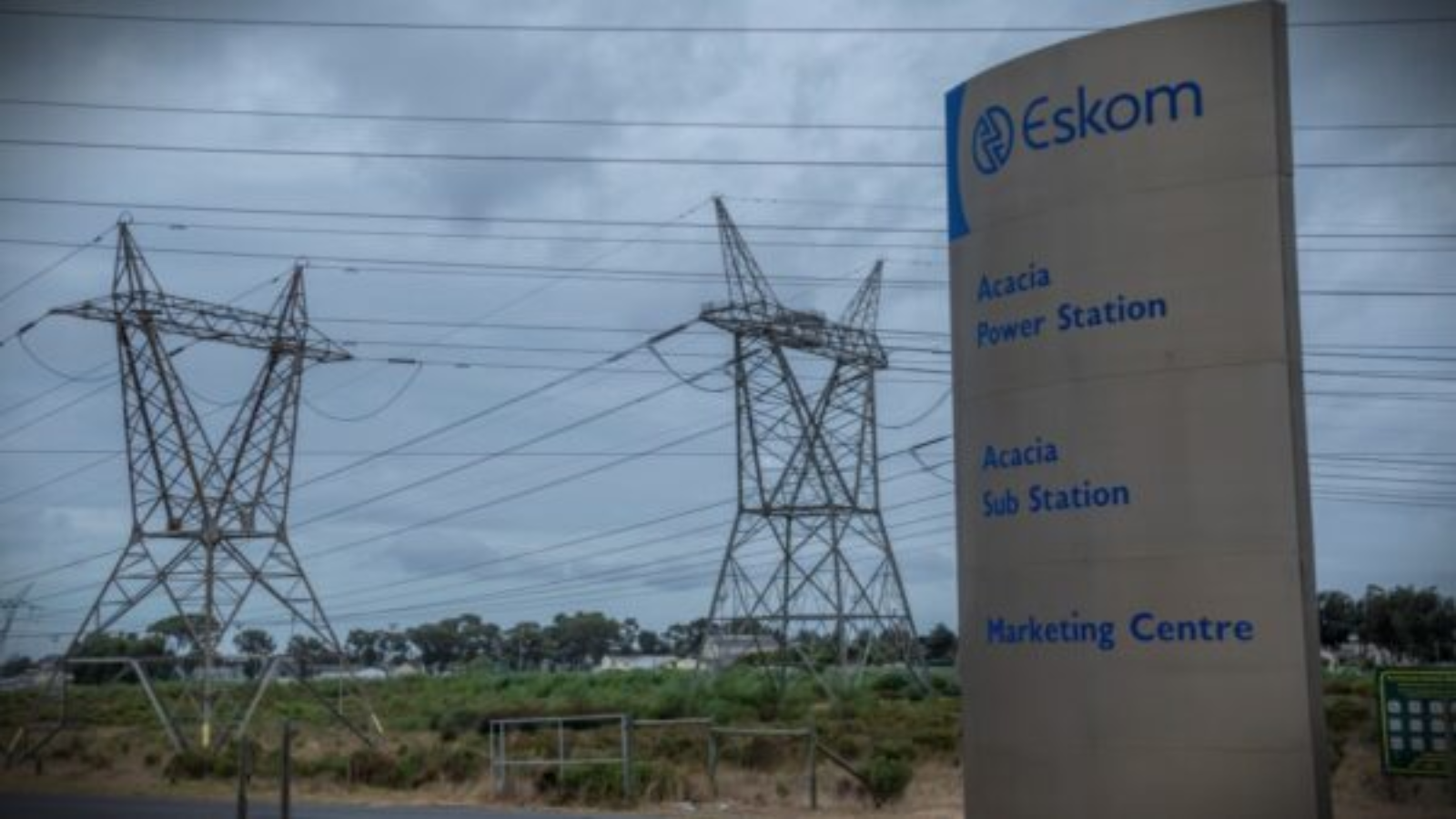
When customers contract with Eskom Green for their core renewable energy needs, the company said it assumes responsibility for delivering that energy.
The utility said that this is accomplished through its own renewable generation, which is complemented by storage and firming arrangements that ensure a continuous energy supply whenever the customer requires it.
“The pricing determination will be clear and transparent, where the wholesale tariff is passed through to the customer, at cost,” said the utility.
The group said that Eskom Green will not absorb any network, wheeling, or other regulated wholesale charges imposed by transmission and distribution operators, and these charges will not be marked up.
Instead, they will be presented as a separate line item, distinct from the price of the energy generated and sold by Eskom Green.
Eskom has identified a total of 17 high-priority projects for implementation across its existing coal-fired power stations.
These projects aim to utilise the established infrastructure to deliver approximately 6 GW of additional capacity by 2030.
This includes at least 2 GW of renewable energy and pumped storage projects, which are expected to begin progressing from 2026.
One development is the 75 MW Lethabo solar PV project in the Free State, which is integrating new generation capacity with existing assets.
“This approach of co-locating renewable and conventional generation will be extended to additional sites, with the next project planned for the Komati Power Station,” said the utility.
“These projects leverage existing infrastructure to support faster deployment, improve cost efficiencies, and strengthen grid resilience.”
The utility said that funding for the initial phases has been allocated within Eskom’s approved capital expenditure programme.
It said that the funding is expected to be supported by on-balance-sheet financing, in accordance with the National Treasury’s debt relief conditions, and will not depend on additional project finance borrowing.
















 Loading ...