

Homeowners with prepaid electricity meters face fines up to R75,000 in South Africa


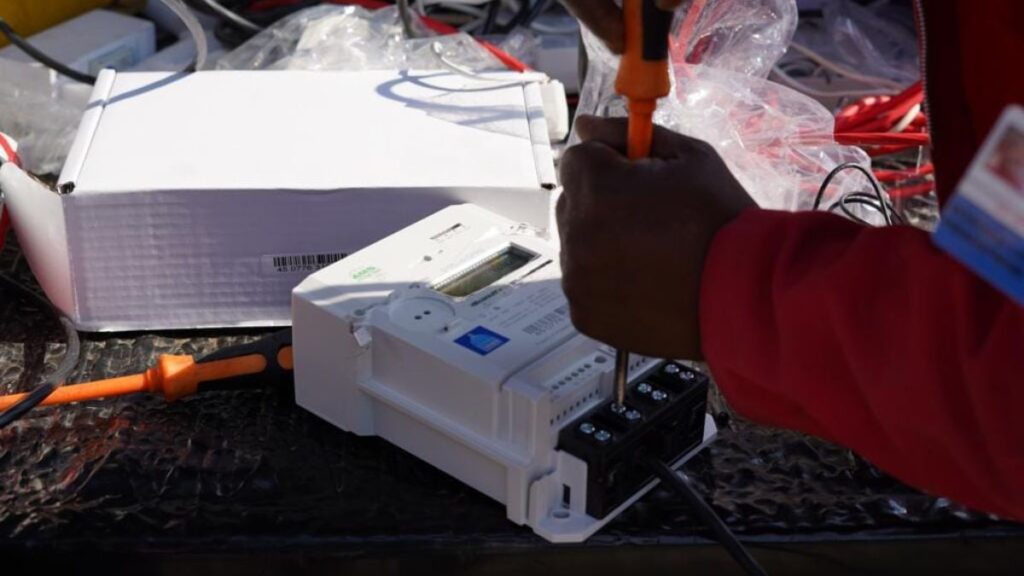
Homeowners in Tshwane with prepaid electricity meters could face fines of up to R75,000 if their meters are found to have been bypassed or tampered with, as the metro steps up efforts to tackle electricity theft.
However, the Freedom Front Plus (FF+) noted that it is receiving an increasing number of complaints from residents who claim they were wrongly accused of tampering and issued substantial fines.
The party has raised concerns about what it described as a pattern in which residents may be caught between poor service delivery and enforcement action.
“In many cases, residents claim that these fines are unfounded and legally questionable,” the FF+ said.
The party said it had received complaints that showed that municipal technicians sometimes arrive at properties after residents report electricity problems without the necessary spare parts.
“When residents report power problems, technicians often arrive without spare parts and bypass the meters to temporarily restore power,” it said.
“Shortly afterwards, inspectors visit the same residents’ properties and accuse them of having tampered with the meters.”
The FF+ also said that some residents were subsequently offered the opportunity to have fines removed in exchange for cash payments.
“It said there were several reports of individuals subsequently telling residents that they would make the relevant fine disappear in exchange for a cash payment.”
Two Tshwane residents have reportedly lodged criminal complaints with the South African Police Service over alleged irregularities.
The allegations come as municipalities and Eskom intensify efforts to reduce electricity theft, which includes bypassed or manipulated meters.
This also includes illegal connections and the use of illegally generated prepaid tokens, a practice known as “ghost vending”.
Eskom recorded R8.15 billion in non-technical energy losses attributed to electricity theft over the 11 months between 1 April 2025 and 28 February 2026.
Non-technical losses and ghost-vending breaches have resulted in up to R23 billion in lost revenue annually.
Report suspicious technicians

Department of Electricity and Energy estimates indicate that about 1.7 million customers nationwide are consuming electricity illegally or using bypassed or tampered prepaid meters.
Eskom has consequently targeted 971 distribution feeders that have been heavily affected by network overloading and load reduction linked to unauthorised connections and meter bypasses.
In Tshwane, the metro said its enforcement operations have uncovered 2,339 manipulated prepaid meters. Of these, 494 accounts were flagged for repeat, or second-tier, tampering offences.
The City has recorded more than R78 million in cumulative costs directly associated with meter tampering within the metropolitan area.
Residents found guilty of bypassing or tampering with meters can face fines of up to R75,000, as well as billing adjustments to recover electricity allegedly consumed without proper metering.
Tshwane is also phasing out legacy meters and replacing them with smart prepaid meters designed to reduce tampering and protect municipal electricity revenue.
The FF+ said the enforcement drive should not unfairly penalise law-abiding residents.
“The Metro expects residents to keep meters installed in a public street secure, while they are simultaneously prohibited from moving or privately securing them,” the party said.
It described this as an “impossible requirement” and said it raised legal concerns about residents’ responsibilities for publicly accessible meters.
The party has raised the matter in the Oversight Committees on Finance and Community Safety, saying residents should be protected from alleged corrupt practices.
The FF+ advised residents to document all interactions with municipal officials and keep reference numbers for electricity complaints.
Ratepayers should also photograph their meters before and after technicians carry out work, and should not make cash payments to have a fine removed.
In response to the party’s concerns, the City of Tshwane said that municipal officials or technicians are never permitted to solicit or accept cash payments to cancel fines or alter meter records.
It added that fines must be levied against the account via gazetted, approved tariffs—not via cash transfers or messaging apps.
The city urged affected residents who receive these unlawful demands to immediately file a criminal case with the South African Police Service (SAPS).
They directed affected ratepayers to lodge formal disputes directly with the city via [email protected].
The city also said that residents can lodge a dispute at the Client Service Centre in the Isivuno Building, rather than engaging with suspicious individuals.

















 Loading ...