

Huge relief for the rand and oil prices


Iran said it would open the Strait of Hormuz for the duration of a 10-day ceasefire between Israel and Hezbollah in Lebanon, increasing the prospect of a wider peace deal.
The critical waterway for global energy supplies, which has been shut since the US and Israel started bombing Iran at the end of February, is now “completely open” for commercial shipping, Iran’s Foreign Minister Abbas Araghchi said in a post on X.
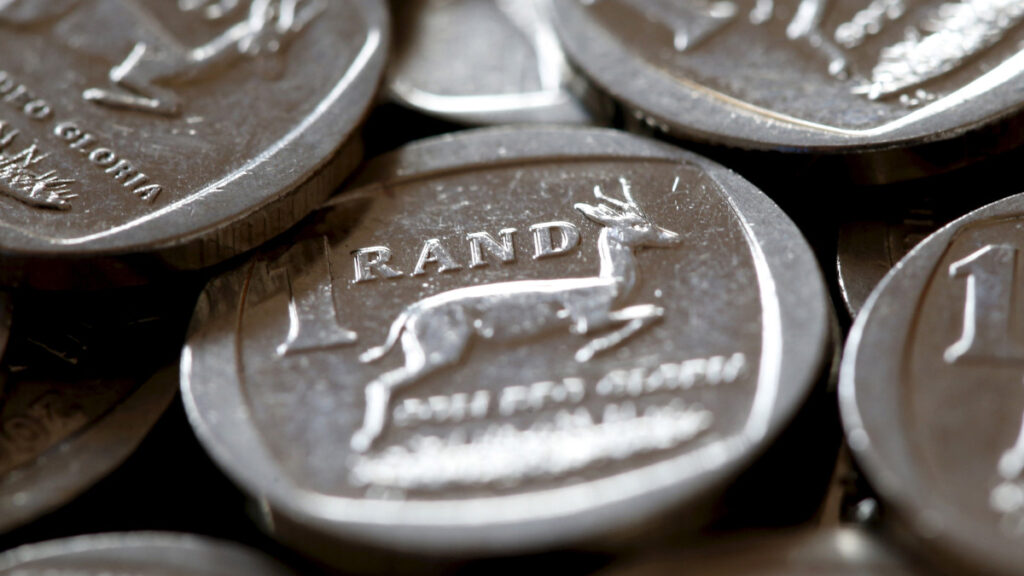
Oil prices plunged on the surprise announcement, declining more than 9% to $90 a barrel. The rand gained over 1% to trade at R16.23 against the dollar.
Araghchi’s comments came after Israel and Hezbollah looked to be observing a truce announced by US President Donald Trump on Thursday.
Their ongoing conflict had been complicating efforts by Washington and Tehran to agree to an extension to their own ceasefire beyond next week.
Hormuz is “open and ready for business,” Trump said on Truth Social on Friday, after the Iranian announcement.
However, a US naval blockade on the strait — designed to stop Iran from shipping oil to global markets — would remain in place until a broader agreement is reached, he said.
“Most of the points are already negotiated,” he added.
Trump on Thursday said Iran had made key concessions in a negotiation to end the war, saying it may not be necessary to renew the two-week truce that started 7 April.
Iran has yet to comment on Trump’s claims that Tehran has made concessions, including over the key issue of its nuclear program, though the Hormuz announcement is an indication of improved relations between the sides.
Trump reiterated that the Islamic Republic “will not have nuclear weapons,” and pushed back against suggestions that a fixed-term moratorium on uranium enrichment is up for negotiation.
The US leader’s predictions of a quick end to the war have been a regular fixture of the conflict, which has killed thousands and triggered a surge in energy prices, but are nonetheless reinforcing optimism in global markets.
Wall Street gauges closed at all-time highs on Thursday.
Hope for longer term peace deal

The prospects for a formal peace agreement have been given a boost by Israel and Lebanon’s ceasefire.
While the initial announcement didn’t mention Hezbollah, the Iran-backed militant group stopped firing rockets into Israel overnight, and supporters celebrated in Beirut.
Israeli Prime Minister Benjamin Netanyahu confirmed the agreement, calling it a step toward a broader peace, and Trump said US officials would work with both sides to secure a lasting deal.
Israel has been fighting Hezbollah in southern Lebanon since just after the start of the US-Israeli bombing of Iran on 28 February.
The Israeli military has occupied large parts of southern Lebanon as part of the campaign, which Lebanese authorities say has killed more than 2,000 people and displaced a million more.
Trump said he spoke with his Lebanese counterpart, Joseph Aoun, and Netanyahu before declaring the ceasefire.
In a subsequent social media post, Trump said he would invite both leaders to the White House for talks.
Any US-Iran ceasefire would have to include a longer-term solution for Hormuz, through which about a fifth of the world’s oil and liquefied natural gas flowed before the conflict.
The block on the waterway has elevated prices and stoked fears of a global slowdown and inflation crisis.
The US this week imposed its own blockade to prevent Iranian oil from reaching global markets.
The UK and France will host a summit with about 40 nations to discuss a multinational naval force to secure Hormuz, though deployment remains unlikely until a broader agreement is reached.
US Defense Secretary Pete Hegseth said American forces are ready to resume combat “at the push of a button,” while Iran warned a prolonged blockade could breach the ceasefire.
Pakistan’s army chief, Asim Munir, travelled to Iran this week as his nation mediates between Washington and Tehran.
Pakistan hosted high-level talks between US and Iranian officials last weekend — discussions that failed to yield a breakthrough.
Trump said Thursday that he “might” travel to Pakistan if a deal with Iran is clinched.
“They’ve agreed to almost everything,” Trump said. “They got to get to the table with a pen.”
Comments from both Iranian and US officials on Thursday suggest the sides remain far apart on key issues, but the ceasefire with Lebanon could provide fresh momentum.
Iran’s Parliament Speaker Mohammad Bagher Ghalibaf, who took part in the Pakistan talks, had earlier said a permanent ceasefire must cover the fighting in Lebanon.
By Tuhin Kar, Patrick Sykes and Dana Khraiche for Bloomberg News















 Loading ...