

South Africa’s ‘internet censorship’ laws are now in full effect – and legal notices are going out


The Film and Publication Board (FPB) has issued legal notices to internet access and service providers and internet service providers requiring them to comply with the provisions of the Act.
The legal notices require ISPs to report on measures they have taken to tackle the proliferation of child sexual abuse material and “other online harms” on their platforms and/or services.
The gazetted legal notice, published on Friday, 28 October 2022, obliges ISPs to comply with the provisions listed below within 90 days of the gazette:
- Register with the FPB in the manner prescribed by regulations made under the Act;
- Provide reports to the FPB on all reasonable steps taken to prevent the use of their services for:
- The hosting or distribution of child pornography and,
- The hosting or distribution of propaganda for war, incitement of imminent violence or advocating hatred based on an identifiable group characteristic that constitutes incitement to cause harm by any person.
- Whether they have reported the presence thereof – as well as the particulars of the person maintaining or hosting or distributing or in any manner contributing to such – to a police official of the South African Police Service (SAPS); and
- The reasonable steps taken to preserve such evidence for purposes of investigation and prosecution by the relevant authorities.
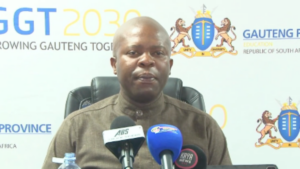
According to the FPB’s interim chief executive officer, Dr Mashilo Boloka, “This is a monumental step to protect the children and members of the public against online harms pursuant to the objective of the Act, which came into operation on 1 March 2022.”
This a preliminary information-gathering process to see the ISP’s effort in combating online harms and abuses. Since this is the first step, in cases where ISPs fall short, they will be given an opportunity to self-correct within a prescribed time, Boloka said.
“We sincerely hope that the operators will be open and honest in their reporting. Based on the reports we receive, the FPB shall determine whether to make this a compulsory reporting requirement every quarter.
“Concurrent to this notice, we will also be analysing the various co-regulatory industry codes and working with co-regulators to ensure alignment with the amendment Act and its regulations,” Boloka said.
The FPB said it plans to issue further notices to additional providers in due course to build a comprehensive picture of online safety measures across a wide range of services within its legislative jurisdictions.
ISPs that fail to comply with the notices within 90 days will be referred to the Enforcement Committee with the possibility of hefty financial penalties or imprisonment sanctions as prescribed in the Act.
In September, the Department of Communications and Digital Technologies gazetted the Film and Publications Regulations, 2022, enacting South Africa’s internet content laws that came into effect in March this year.
The laws, which have become known as South Africa’s “internet censorship laws”, give the Film and Publications Board (FPB) wide-sweeping powers to classify and regulate all online content in the country.
Under the laws, the FPB has migrated from being a classifications body to a fully-fledged regulator for digitally distributed content in South Africa, with the powers to issue and renew licences or certificates, accredit distributors and impose fines in case of non-compliance.
The laws have faced a lot of criticism, particularly in the broad definition of a ‘distributor’ of film, game or published content, as well as the sweeping powers of oversight they give the FPB over any and all published content in South Africa.
Read: New ‘internet censorship’ regulations for South Africa

















 Loading ...